How to Avoid Wrist Pain When Doing Push Ups Tips and Tricks?

Time:2026-05-25 Author:Ethan
0%

When it comes to push-ups, wrist pain is a common concern for many fitness enthusiasts. Dr. Emily Carter, a renowned physical therapist, emphasizes the importance of proper technique. She states, "Understanding how to prevent wrist pain during push ups requires awareness of body mechanics." This insight is crucial for those looking to strengthen their upper body without injury.

To avoid discomfort, consider wrist positioning. Aligning your wrists with your shoulders can make a difference. Additionally, using push-up bars or gripping handles can alleviate pressure. It’s essential to listen to your body. Recognize the signs of strain early on and adjust your technique.

Incorporating wrist exercises into your routine can also be beneficial. Flexibility and strength play vital roles in preventing injuries. Remember that every body is different. What works for one might not work for another. Experimenting with variations can lead to a more comfortable push-up experience. Focus on your form. This will protect your wrists and enhance your workout overall.
How to Avoid Wrist Pain When Doing Push Ups Tips and Tricks?

Understanding Wrist Pain and Its Causes During Push Ups

Wrist pain during push-ups is a common issue that many people face. Understanding the root causes can help prevent future discomfort. Poor wrist positioning, lack of strength, and overuse are significant factors. When the wrists are not aligned correctly, it can lead to strain and pain. It's crucial to pay attention to how your body feels during the exercise.

To minimize wrist pain, consider these tips: First, keep your wrists straight and aligned with your forearms. This position distributes weight evenly. If you experience discomfort, try doing push-ups on your fists or with your hands elevated. Additionally, strengthening your wrists with simple exercises can improve their stability. Incorporate movements like wrist flexor and extensor stretches to enhance flexibility.

Another tip is to practice gradual progression. Pushing your body too hard can lead to overuse injuries. Start with modified push-ups, like knee push-ups, to build strength safely. Using a mat or a padded surface can also reduce impact. Always listen to your body and take breaks when needed. If the pain persists, consult a medical professional for advice.

Optimizing Push Up Technique to Minimize Wrist Strain

When performing push-ups, wrist strain can be a common issue. Optimizing your technique is crucial to minimize this discomfort. Start by ensuring your hands are positioned properly. Place your hands slightly wider than shoulder-width apart. Keep your wrists aligned with your elbows. A misalignment can introduce unnecessary strain, leading to discomfort.

Consider adjusting the angle of your wrists. Some people find that tilting their hands slightly outward reduces strain. You might also benefit from using push-up bars or dumbbells. These tools can help maintain a neutral wrist position. However, not everyone finds these beneficial, so try different methods. Experiment to find what feels most comfortable for you.

Pay attention to your body. If you feel pain, stop and reflect on your form. Rushing through the movement can lead to bad habits. Engage your core and maintain a straight body line. Prioritize quality over quantity. Doing fewer push-ups with proper form can be more rewarding than performing many with poor technique. Listen to your body and adjust as needed.

Proper Warm-Up and Stretching Exercises for Wrist Health

Wrist health is critical for anyone who performs push-ups regularly. Proper warm-up and stretching exercises can prevent wrist pain. According to a study from the American Journal of Sports Medicine, 30% of individuals experience wrist discomfort during push-up exercises. Therefore, nurturing wrist flexibility and strength is vital.

Before starting your workout, consider wrist stretches like the wrist flexor and extensor stretches. Hold each stretch for at least 15 seconds. This helps increase blood flow and reduces stiffness. Some experts recommend performing wrist circles to warm up. They can be done in both directions for improved mobility and ease.

After your workout, don’t forget to cool down. Gentle stretching can significantly aid recovery, as noted by the National Institute of Health. Focus on stretching the forearm muscles, which support wrist movement. Ignoring this can lead to chronic pain, making future workouts difficult. Reflecting on your routine can help identify whether you’re incorporating these important practices.

Using Equipment to Support Wrist Comfort During Push Ups

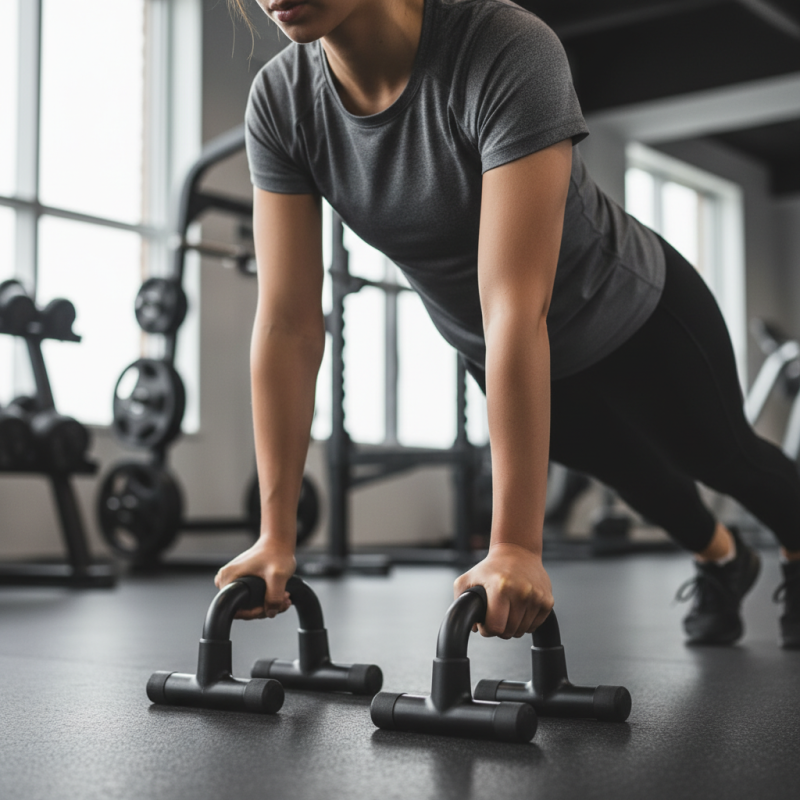
When performing push-ups, wrist discomfort can be a common issue. Using equipment designed for wrist support can significantly enhance your workout experience. Push-up handles or bars allow for a more neutral wrist position, minimizing strain. They elevate your hands, which can help maintain a straight line from head to heels during the exercise.

Another helpful tool is a yoga mat or padded surface. This provides cushioning for your wrists, reducing pressure while you push. If you prefer a more stable option, resistance bands can also work. They assist in maintaining your form, as well as providing added resistance. Remember, excessive use of wrists can lead to injury or pain. Listen to your body.

Some people might struggle to find their ideal equipment. It’s essential to test different options and see what works best for you. Not every tool suits everyone. Reflect on your experience often. If an option causes discomfort, consider switching to another one. Your body should feel strong, not strained.

Alternative Push Up Variations to Reduce Wrist Discomfort

Push-ups are a popular exercise, but they can cause wrist discomfort. Fortunately, there are alternative push-up variations that can help alleviate this issue. One effective option is the incline push-up. By elevating your hands on a stable surface, you reduce the strain on your wrists while still working your chest and arms. Aim for a bench or wall that allows your body to remain straight. This variation is easier on the wrists and can be a good starting point for beginners.

Another option is the fist push-up. Instead of placing your palms flat on the ground, make fists and lower your body. This position keeps your wrists in a neutral alignment, minimizing pain. While it may take some time to adjust, many find this method to be more comfortable. Experimenting with push-up bars is another strategy. These tools allow your wrists to remain straight, which can help prevent discomfort during the exercise.

It’s important to listen to your body. If you notice persistent pain, it’s worth reassessing your form or consulting a professional trainer. Remember, what works for one person may not work for another. Testing different variations is key to finding the right fit for you. Keep your workouts enjoyable by mixing in these alternatives.

How to Avoid Wrist Pain When Doing Push Ups: Tips and Tricks
Variation Description Wrist Discomfort Level
Knee Push Ups Perform push ups on your knees instead of toes to reduce strain on wrists. Low
Incline Push Ups Use an elevated surface like a bench to perform push ups which lessens wrist angle. Low to Moderate
Neutral Grip Push Ups Use push up bars or dumbbells to maintain a neutral wrist position. Low
Wall Push Ups Stand facing a wall and push against it, keeping your body straight. Very Low
Single Arm Push Ups Perform push ups with one arm, balancing the weight differently to alleviate pressure. Moderate

FAQS

: What causes wrist pain during push-ups?

: Common causes include poor wrist positioning, lack of strength, and overuse. Misalignment leads to strain and discomfort.

How can I minimize wrist pain when doing push-ups?

Keep wrists straight and aligned with forearms. Consider doing push-ups on your fists or with your hands elevated.

What exercises can strengthen my wrists?

Incorporate wrist flexor and extensor stretches. Simple movements enhance flexibility and stability over time.

Why is gradual progression important in push-up routines?

Pushing too hard can cause overuse injuries. Start with modified push-ups to build strength safely and avoid pain.

What role does warm-up play in preventing wrist discomfort?

Proper warm-up increases blood flow and reduces stiffness. Wrist stretches should be held for at least 15 seconds.

How should I position my hands during push-ups?

Place hands wider than shoulder-width. Keep them aligned with elbows to minimize unnecessary strain on wrists.

What can I do if I experience pain during push-ups?

Stop and reflect on your form. Rushing can create bad habits. Adjust your technique and take breaks as needed.

Are push-up bars helpful for wrist health?

They can help maintain a neutral wrist position. However, comfort varies, so experiment to see what works for you.

Why is post-workout stretching essential?

Cooling down aids recovery and reduces the risk of chronic pain. Focus on stretching forearm muscles supporting wrist movement.

What should I do if wrist pain persists?

If discomfort continues, consult a medical professional for personalized advice and recommendations.

Conclusion

Wrist pain during push ups is a common issue that can arise from improper technique, lack of warm-up, or inadequate wrist strength. To address the question of "How to prevent wrist pain during push ups?", it is essential to understand the causes of wrist discomfort and optimize push up technique. This involves maintaining proper hand positioning and engaging the entire body to distribute weight evenly.

Additionally, incorporating warm-up and stretching exercises specifically for the wrists can enhance flexibility and reduce strain. Using equipment such as push-up bars or wrist supports can also provide added comfort. Finally, experimenting with alternative push-up variations, such as incline or knee push ups, can help in minimizing wrist discomfort while still achieving an effective workout. By implementing these strategies, individuals can enjoy performing push ups without the fear of wrist pain.

Ethan

Ethan

Ethan is a seasoned marketing professional with a deep expertise in our company's innovative product line. With a passion for sharing knowledge and insights, he takes the lead in regularly updating our corporate blog, where he explores industry trends, product features, and effective marketing......