Many beginners struggle with pull-ups. This classic exercise builds strength, especially in the back and arms. "How to get better at pull ups for beginners?" is a common question among those just starting their fitness journey. Renowned trainer Mike Matthews emphasizes the importance of patience, saying, "Progress takes time, but consistent effort leads to improvement."
Beginners often feel discouraged when they can't perform a single pull-up. It’s essential to understand that mastery takes practice. Focusing on technique and strength-building alternatives is crucial. Exercises like negative pull-ups and assisted pull-ups can help develop the necessary muscles. Engaging in these variations allows beginners to feel success while working towards their goal.
Furthermore, tracking progress is vital. Keeping a log helps maintain motivation and identify areas for improvement. Celebrate small victories; they make a difference. Learning how to improve at pull-ups is a journey. It demands resilience, commitment, and regular feedback. Embracing the process will lead to stronger pull-up performance over time.
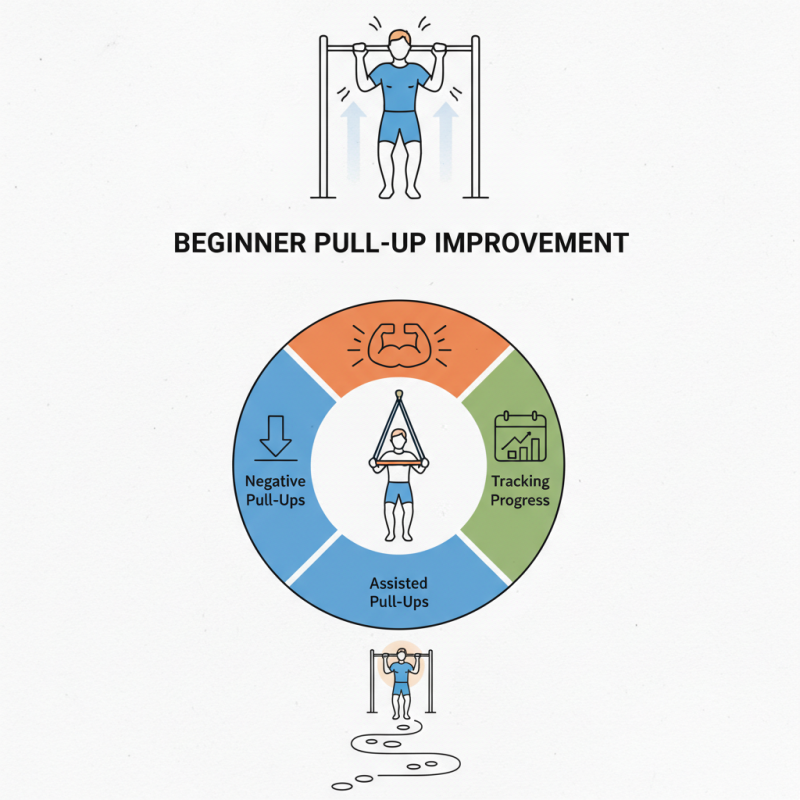
Pull-ups are a crucial exercise for beginners. They target multiple muscle groups, including the back, shoulders, and arms. According to the American Council on Exercise, pull-ups can enhance upper body strength significantly. Reports indicate that individuals who include pull-ups in their routine see improved muscle engagement and functional strength.
For beginners, understanding the importance of pull-ups goes beyond strength. They help develop grip strength and core stability. A study from the National Strength and Conditioning Association highlighted that consistent training can lead to a 30% increase in performance over three months. However, many newcomers struggle with how to execute them correctly. Mistakes often occur in form, such as not engaging the core or relying too heavily on momentum.
Reflecting on progress is essential. Many beginners might not see immediate results, leading to frustration. It is vital to assess form and gradually increase repetitions. Progress usually requires patience and dedication. Even a single pull-up done correctly can serve as a benchmark for improvement. Embracing the challenges will ultimately lead to better performance and results.
When practicing pull-ups, grip and form are crucial for optimal results. A proper grip begins with hand positioning. Your hands should be slightly wider than shoulder-width apart. This grip increases muscle engagement and stability. Ensure your palms face away from you. Experiment with different grips, like chin-ups or neutral grips. Each offers unique benefits and targets muscles differently.
Posture matters as well. Keep your core tight throughout the movement. Avoid swinging or using momentum. Engage your back muscles to pull yourself up. Focus on each repetition. You may find that you can't perform many at first. That’s okay. Each set is an opportunity for improvement. Reflect on what feels challenging. Are you straining your shoulders? Adjusting form may help.
Form isn’t always perfect, and that’s part of the journey. Regularly assess your technique. Filming yourself can reveal subtle mistakes. Your body will adapt, but only if you listen to it. Progress takes time. Celebrate small victories; each pull-up gets easier as you refine your form and grip. Keep pushing, and stay patient.
To build strength for pull-ups, a progressive training plan is essential. Start with basic exercises, such as assisted pull-ups or negative pull-ups. Use a resistance band or a low bar to help you. Gradually reduce assistance as you gain strength. This approach allows for steady improvement without risking injury.
Incorporate bodyweight exercises like rows and planks into your routine. These will enhance your overall upper body strength. Aim for two to three sessions per week. Be prepared to adjust your plan based on your progress. Sometimes, you may feel stuck. That's normal. Use these moments to reassess your technique and focus on muscle control.
Consider mixing in grip strength exercises. They play a huge role in successful pull-ups. Hang from a bar, or use a towel draped over a pull-up bar for added challenge. Track your progress regularly. Celebrating small victories can keep you motivated. Remember, everyone progresses at their own pace. Embrace the journey and reflect on your growth.
When practicing pull-ups, avoiding common mistakes is crucial for improvement. Many beginners focus too much on how many reps they can do. It's more beneficial to concentrate on form. Poor form can lead to injuries and setbacks. Engaging the shoulders and core is essential for effective pull-ups.
Tips: Always start with a full stretch. This ensures that you are working through the full range of motion. Many neglect this, leading to incomplete movements. Another pitfall is rushing through the reps. Take your time to ensure each pull-up is done correctly. Quality over quantity must be your motto.
Another common error is not using proper grip. A narrow grip can strain your shoulders. Instead, find a grip that feels comfortable and secure. It's okay to experiment with different widths. Lastly, don't forget to warm up. This prepares your muscles and prevents injuries. Ignoring warm-ups is a frequent oversight that many make.
| Mistake | Description | Correct Practice |
|---|---|---|
| Poor Grip | Using an improper grip can limit pulling strength. | Use a shoulder-width grip and maintain a strong grip on the bar. |
| Lack of Core Engagement | Not engaging the core can lead to poor form and swing. | Tighten your core before starting the pull-up to stabilize your body. |
| Inconsistent Repetitions | Skipping out on repetitions can slow progress. | Stick to a routine and gradually increase your reps each week. |
| Poor Body Position | Hanging with a bent body can make the pull-up harder. | Keep your body straight and aligned throughout the movement. |
| Neglecting Warm-Up | Not warming up increases the risk of injury. | Warm up with dynamic stretches to prepare the muscles. |
Supplementary exercises are crucial for enhancing pull-up performance. Targeted movements build strength and muscle memory, helping beginners become more proficient. A study published by the National Strength and Conditioning Association indicates that integrating rowing exercises can increase pull-up performance by up to 30%.
Incorporating scapular pull-ups is effective for mastering the initial part of the movement. This exercise focuses on activating the shoulder girdle, which is essential for a successful pull-up. Another valuable addition is inverted rows. These help develop the upper back and biceps, which play significant roles in the pull-up. According to a survey conducted among fitness professionals, nearly 80% believe that including supplementary exercises accelerates the progress of beginners.
Furthermore, attention to grip strength can’t be overlooked. Exercises like dead hangs not only improve grip but also enhance overall endurance. Based on data from the International Journal of Sports Science, strength in grips is directly correlated to improved performance in pulling movements. Reflection on one’s form during these exercises can lead to better results and a deeper understanding of body mechanics. Building a robust pull-up foundation requires a multifaceted approach to training, emphasizing dedication and consistency.
: Pull-ups target multiple muscle groups, enhancing upper body strength and improving functional fitness.
Pull-ups mainly engage the back, shoulders, and arms, contributing to overall muscle development.
Focus on proper grip, core engagement, and controlled movement to avoid relying on momentum.
Reflect on form, increase repetitions gradually, and be patient. Every pull-up counts as progress.
Hands should be wider than shoulder-width, with palms facing away for better muscle stability.
Maintaining a tight core and avoiding swinging helps prevent injuries and ensures effective muscle engagement.
Filming your practice can reveal form issues, and celebrating small victories can motivate improvement.
Quality is more important; focus on form over the number of repetitions to enhance effectiveness.
Avoid rushing through reps, neglecting warm-ups, and using improper grip width, as these can hinder progress.
Warming up prepares muscles for activity, reducing the risk of injuries and enhancing performance during pull-ups.
Improving pull-up performance can be a rewarding challenge for beginners. Understanding the significance of pull-ups is crucial, as they not only build upper body strength but also enhance overall fitness. Newcomers should focus on mastering proper techniques, including grip variations and body alignment, to ensure effective training. A well-structured progressive training plan is essential for gradually increasing strength and endurance, allowing beginners to track their progress.
To answer the question, "How to get better at pull ups for beginners?", one must also be mindful of common mistakes, such as poor form and overtraining. Incorporating supplementary exercises can further enhance pull-up capability by targeting supporting muscle groups, ultimately leading to improved performance. With dedication and the right approach, beginners can successfully advance in their pull-up journey.

GoLive Fitness