2026 Best Boxing Gloves Why Do My Hands Hurt After Boxing

Time:2026-09-18 Author:Sophia
0%

Why do my hands hurt after boxing? It is a practical question, not a sign of weakness. Pain can come from poor wrist alignment, compressed knuckles, weak hand muscles, or gloves that do not match your training. A tight fist should feel supported, not crushed. After a hard session, your knuckles may look slightly red, while your wrist feels stiff when opening a door.

The Association of Ringside Physicians’ consensus guidance emphasizes hand wrapping, appropriate equipment, and medical assessment after suspected injury. Sports medicine research also links repetitive punching with hand and wrist problems, especially when technique deteriorates under fatigue. Yet glove weight alone does not prevent injury. A heavier glove may reduce impact speed, but it can also increase fatigue and alter punching mechanics. That detail is easy to overlook.

The 2024 American College of Sports Medicine guidance on resistance and conditioning supports gradual load progression, which applies to punching volume too. Start with shorter rounds, controlled power, and fresh wraps. Check whether your thumb sits naturally and your wrist stays straight at contact. A reputable coach should watch your first few rounds, not only your final combination.

This is not perfect advice.

Pain lasting more than several days, swelling, numbness, reduced grip strength, or pain over one precise bone deserves professional evaluation. The British Journal of Sports Medicine has repeatedly highlighted the limits of self-diagnosis in sports injuries. Our 2026 best boxing gloves discussion therefore compares padding, wrist support, fit, and durability, while admitting that no glove can correct unsafe technique or rushed progression.
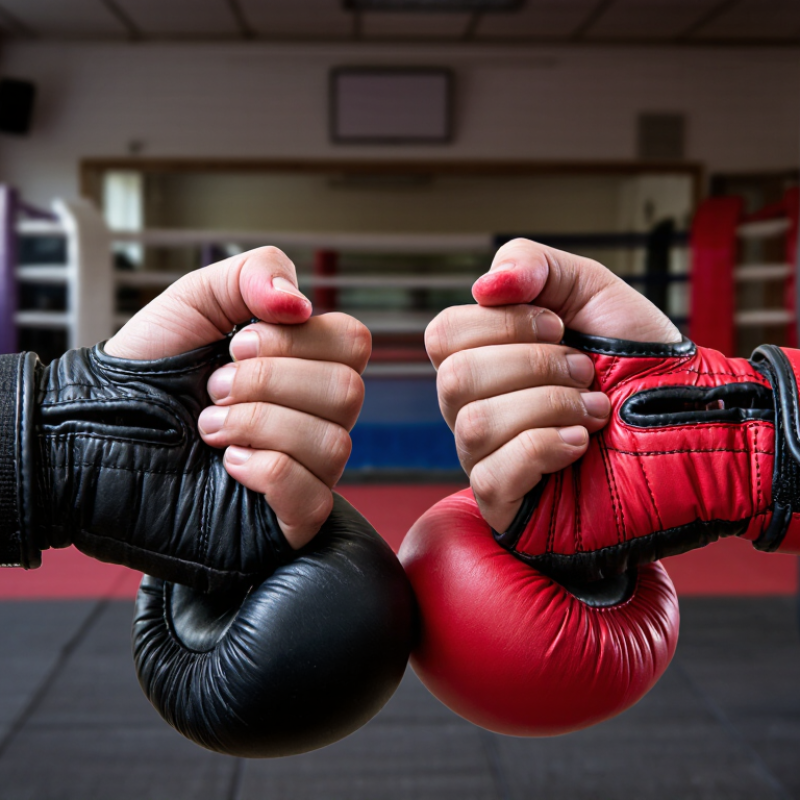
2026 Best Boxing Gloves Why Do My Hands Hurt After Boxing

What Makes Boxing Gloves Effective for Hand Protection in 2026

Effective boxing gloves in 2026 should protect the hands without hiding poor technique. Their value depends on several details: balanced weight, firm wrist support, layered impact foam, and a secure fit. A glove should spread force across the knuckles, not concentrate pressure on one finger or the thumb.

From training experience, painful hands often signal more than hard punches. Loose wraps, bent wrists, worn padding, or oversized gloves can increase stress. Good gloves keep the wrist aligned during contact and reduce sudden compression around the knuckles. They should also allow natural finger movement without leaving empty space inside. Fit matters greatly.

Not every expensive glove performs equally well. I once preferred a softer pair because it felt comfortable, but the weak wrist support caused soreness during longer sessions. That mistake changed my fitting method. I now test gloves with wraps, check thumb placement, and inspect the foam after repeated use. Comfort helps, but it can mislead.

Breathable lining and moisture control also matter. Damp interiors can make the hands slide and weaken control. A reliable glove should remain stable during jabs, hooks, and defensive movements. Still, gloves cannot correct poor punching mechanics. Persistent pain deserves rest and professional medical advice, especially when swelling or numbness appears.

How to Choose the Right Boxing Gloves for Your Training Needs

Choosing the right boxing gloves starts with your training purpose, not their appearance. For bag work, choose gloves with firm padding and secure wrist support. Sparring gloves usually need softer padding to reduce impact on your partner. Training gloves can serve both uses, but they may not perform perfectly in either role.

Fit matters more than a slightly cheaper price. Your fingers should reach the glove’s end without curling tightly. The wrist closure should feel firm, never numb. Leave enough room for properly wrapped hands. Too much space allows your hand to slide, while tight gloves can increase pressure on your knuckles. I once chose a glove by weight alone. My wrists felt supported, but my fingers had little room. That mistake taught me to test fit before judging quality.

Try several weights that match your body size and training intensity. Heavier gloves create more resistance, but they can fatigue your shoulders during long sessions. Ask a qualified coach to check your punch alignment. A mirror can help, though it cannot replace experienced feedback. Stop training when pain feels sharp, persistent, or different from normal muscle soreness. Check your wraps, glove fit, and punching technique before returning. If discomfort continues, consult a healthcare professional. Comfort is useful evidence, but it is not a medical diagnosis.

2026 Best Boxing Gloves: Why Do My Hands Hurt After Boxing? How to Choose the Right Boxing Gloves for Your Training Needs

Training Need or Issue Recommended Glove Weight Suitable Glove Characteristics Fit and Sizing Guidance Hand-Wrap Recommendation Common Mistakes to Avoid
General fitness boxing 10–12 oz for many adults, depending on body size and gym rules Balanced padding, secure wrist closure, breathable lining, and enough thumb protection for repeated pad or bag work Fingers should reach the end of the finger compartment without being cramped; the fist should close naturally Use clean, supportive hand wraps that cover the knuckles and stabilize the wrist Choosing gloves only by appearance or using loose gloves that allow the hand to slide inside
Heavy-bag training 12–16 oz is commonly used for regular training; follow local coaching guidance Dense, evenly distributed knuckle padding; reinforced wrist support; durable construction suited to repeated impact The glove should feel secure around the wrist and should not rotate when the hand is fully closed Use properly applied wraps, especially if bag sessions are frequent or forceful Hitting a heavy bag with bare hands, worn padding, bent wrists, or an open hand inside the glove
Partner drills and sparring Often 14–16 oz for adults, subject to gym and coach requirements Well-padded striking surface, reliable thumb attachment, smooth seams, and sufficient padding for controlled contact Gloves should not be so large that they reduce control or so tight that they restrict circulation Use wraps that support the wrist and knuckles without creating pressure points Using lightweight bag gloves for partner contact or sparring without supervision
Technical drills and mitt work 10–14 oz, depending on intensity, user size, and coach preference Moderate padding, good wrist mobility, secure thumb position, and a shape that supports a properly closed fist Check that the thumb is comfortably positioned and that the palm is not forced into an awkward angle Wraps should provide support without making the glove excessively tight Over-tightening the wrist closure or selecting a glove that prevents natural hand movement
Smaller hands or narrow wrists Weight alone does not determine fit; some users may need a smaller hand compartment Narrower internal shape, adjustable wrist closure, secure thumb placement, and padding that does not shift Measure hand circumference around the widest part of the hand, excluding the thumb, and compare it with the manufacturer’s size chart Use wraps of suitable length that do not bunch inside the glove Increasing glove size to compensate for inadequate wrist support or excessive wrapping
Larger hands or wide knuckles Select the appropriate weight only after confirming adequate internal room Roomy finger compartment, sufficient knuckle width, flexible palm area, and a closure that does not pinch The hand should slide in without force; excessive compression, numbness, or pale fingers indicates a poor fit Use wraps that protect the knuckles while leaving enough room to close the fist comfortably Ignoring pressure across the knuckles or assuming that a heavier glove is automatically wider
Pain across the knuckles Do not solve pain by simply changing weight; inspect fit, technique, padding, and wraps first Evenly distributed, intact knuckle padding with no hardened, flattened, or displaced areas The knuckles should contact the padded striking area evenly when the fist is closed Wraps should cushion and stabilize the knuckles without folding into ridges Continuing to punch through sharp pain, using damaged gloves, or striking with misaligned wrists
Pain in the wrist Weight is secondary to wrist stability and correct punching mechanics Firm wrist support, secure closure, and a glove that keeps the wrist aligned with the forearm The wrist closure should be snug but should not cause tingling, discoloration, or restricted circulation Wrap the wrist with even tension and keep the wrist in a neutral position during impact Allowing the wrist to bend on contact or tightening the closure until the hand becomes numb
Numbness, tingling, or cold fingers Any glove weight may cause this if the fit or closure is wrong Adequate finger space, non-restrictive palm construction, and adjustable closure Remove the glove and loosen the wrap immediately; persistent symptoms require professional medical advice Check that wraps do not compress the fingers or create thick ridges across the palm Ignoring circulation symptoms or continuing the session after numbness begins
New boxer or returning after a break Use a moderate training weight and build volume gradually Comfortable all-purpose padding, dependable wrist support, and a forgiving fit Try the gloves with the intended wraps before buying whenever possible Learn a consistent wrapping method from a qualified coach Starting with maximum power, excessive rounds, or daily high-impact bag work
Glove condition and replacement Replace based on condition and loss of protection, not only on age Padding should remain resilient and evenly shaped; stitching, thumb attachment, and wrist closure should remain secure Replace gloves when the hand shifts, knuckles feel exposed, or the wrist can no longer be stabilized Keep wraps clean and dry to reduce odor and moisture buildup inside the gloves Using gloves with compressed padding, exposed seams, torn lining, or a failing closure
When hand pain needs medical attention Stop training rather than changing glove weight when symptoms are significant Gloves cannot correct a suspected fracture, ligament injury, tendon problem, or nerve compression Seek qualified medical evaluation for swelling, bruising, deformity, weakness, persistent pain, or reduced movement Do not use tight wrapping to mask symptoms Training through sharp or worsening pain, visible swelling, or symptoms that continue during daily activities

Key selection principle: The right boxing glove should fit securely over properly applied hand wraps, keep the wrist aligned, distribute impact across the padded knuckles, and allow comfortable circulation. Glove weight, hand size, training purpose, technique, and gym rules should all be considered together.

Common Reasons Hands Hurt After Boxing

Hands can hurt after boxing for several ordinary reasons. The most common is impact reaching the knuckles instead of the padded glove surface. A loose fist, bent wrist, or poorly fitted glove can increase pressure quickly. I have noticed this during bag sessions when fatigue changes technique. The pain often appears later, not during the final round. That delay can make the cause easy to miss.

Swelling, tenderness, and mild stiffness may follow repeated impact. Small abrasions or tight hand wraps can also restrict movement and irritate tendons. Wraps should support the wrist and knuckles without causing numbness, tingling, or cold fingers. Glove size matters, but bigger is not automatically safer. Excess space can let the hand slide inside. That movement may create sharp pressure around the thumb or first two knuckles. Check your fist shape before blaming the equipment.

Stop punching if pain becomes sharp, persistent, or focused in one spot. Rest, gentle cooling, and medical evaluation may be appropriate, especially after swelling or reduced grip strength. A qualified coach can watch your wrist alignment and impact habits. A healthcare professional should assess pain that lasts several days or worsens. I still catch myself adding extra rounds when my hands feel tired. That is poor judgment, not toughness. Track glove condition, wrapping pressure, session intensity, and recovery time. These details can reveal patterns that memory misses.

2026 Best Boxing Gloves: Why Do My Hands Hurt After Boxing?

Common reasons include impact stress on the knuckles, metacarpals, fingers, and wrist. The chart shows the number of bones in each major hand region, highlighting the structures that may be stressed when technique, hand wrapping, glove fit, or impact control is inadequate.

Each human hand contains 27 bones: 8 wrist bones, 5 palm bones, and 14 finger bones. Persistent pain, swelling, numbness, or reduced movement should be assessed by a qualified medical professional.

How Glove Fit, Wrapping, and Technique Affect Hand Pain

Hand pain after boxing often begins with a poor glove fit, not a lack of toughness. A glove should feel secure around your wrist and knuckles. Your fingers need room to curl naturally without pressing against the inner lining. If the glove shifts during impact, your hand may absorb force unevenly. That repeated pressure can irritate knuckles, tendons, or small wrist joints.

Tips

Wrap your hands with even tension. Protect the knuckles, but do not numb your fingers. Check your wrist alignment before every round. If your fingers tingle, stop and adjust the wrap. A slightly larger glove may help, but extra space can also reduce control.

Technique matters just as much. A straight punch should connect through the first two knuckles, with the wrist kept firm and neutral. Beginners often bend the wrist when fatigue appears. I have seen careful athletes repeat this mistake because they focus on speed instead of alignment. The correction feels slower at first. It is still safer. Heavy bag impact should sound controlled, not painfully sharp. Reduce power when your form breaks down, and inspect your gloves for compressed padding. Persistent swelling, bruising, numbness, or sharp pain deserves medical assessment. Do not train through it.

When Post-Boxing Hand Pain Requires Medical Attention

Why Do My Hands Hurt After Boxing? When Post-Boxing Hand Pain Requires Medical Attention

Mild soreness can follow hard punching, especially after changing gloves, wrapping methods, or training volume. However, persistent pain deserves attention. Boxing injury surveillance reviews report that hand and wrist injuries commonly represent about 17% to 30% of recorded boxing injuries. The exact rate varies by skill level and reporting method.

Watch for swelling, bruising, visible deformity, numb fingers, or a weak grip. Seek medical care promptly if you cannot close your hand, rotate your wrist, or hold light objects. Sharp pain over one knuckle may indicate a fracture, even when swelling looks modest. The American Society for Surgery of the Hand advises evaluation for ongoing pain, reduced movement, and altered sensation.

Do not train through worsening symptoms. Stop punching, remove tight wraps, and use a covered cold pack for short periods. Emergency assessment is more appropriate after a loud crack, sudden deformity, pale or blue fingers, or rapidly increasing swelling. These signs can involve bone, tendon, nerve, or blood-flow problems. A British Journal of Sports Medicine review also links poor technique, inadequate recovery, and repeated impact with greater upper-limb injury risk. I used to treat “toughing it out” as discipline. That assumption is not always wise. Pain lasting several days, or returning each session, should be assessed by a qualified clinician.

FAQS

What makes boxing gloves effective for hand protection?

Effective gloves balance weight, support the wrist, and spread impact across the knuckles. They should not hide poor technique. Layered foam helps reduce sudden compression during contact.

How should a boxing glove fit?

The glove should feel secure around your wrist and knuckles. Your fingers should curl naturally without pressing hard against the lining. Too much empty space reduces control. A tight glove can create pressure points.

Why can loose gloves cause hand pain?

Loose gloves may shift during punches. That movement spreads force unevenly across the hand. Repeated pressure can irritate knuckles, tendons, and small wrist joints. Movement matters.

How do hand wraps affect protection?

Wraps should support the knuckles and wrist with even tension. They should not make your fingers numb or restrict natural movement. Check the wrap before every round. If tingling appears, stop and adjust it.

How does punching technique affect hand safety?

A straight punch should connect through the first two knuckles. Keep the wrist firm and neutral during impact. Fatigue often causes the wrist to bend. Speed is not always safer.

What signs show that gloves may be worn out?

Inspect the foam after repeated sessions. Compressed padding may protect less effectively. Sharp impact sounds can signal reduced control or poor form. I once trusted comfort too much. That was a mistake.

Does a more expensive glove always offer better protection?

No. Price does not guarantee strong wrist support or reliable padding. Test gloves with your wraps before training. Check thumb placement, wrist stability, and interior space. Comfort can mislead.

How can moisture control improve glove performance?

Breathable lining helps reduce dampness inside the glove. Moisture can make your hand slide and weaken control. Stable gloves support jabs, hooks, and defensive movements. Dry hands help.

When should someone stop training because of hand pain?

Stop when swelling, bruising, numbness, or sharp pain appears. Persistent symptoms deserve rest and professional medical advice. Do not train through worsening pain. A glove cannot repair an injury.

Conclusion

In 2026, effective boxing gloves are designed to distribute impact, support the wrist, and cushion the knuckles during training. Choosing the right pair depends on your activity, experience, hand size, glove weight, and level of padding. Sparring, bag work, and competition may each require different features, so comfort and proper support should always come before appearance. Well-fitted gloves, secure hand wraps, and correct punching technique can significantly reduce unnecessary pressure on the hands.

Why do my hands hurt after boxing? Common causes include poor glove fit, inadequate wrapping, overtraining, striking with incorrect alignment, or not allowing enough recovery time. Mild soreness may improve with rest, but sharp pain, swelling, bruising, numbness, reduced movement, or pain that continues between sessions may indicate a more serious injury. In these situations, stop training and seek advice from a qualified medical professional before returning to boxing.

Sophia

Sophia

Sophia is a dedicated marketing professional with an exceptional depth of knowledge about her company's products and services. With a keen understanding of market trends and customer needs, she crafts insightful blog posts that not only inform but also engage readers, enriching the company’s online......