China Top 10 Barbell Suppliers Why Is My Barbell Rusting?

Time:2026-10-30 Author:Isabella
0%

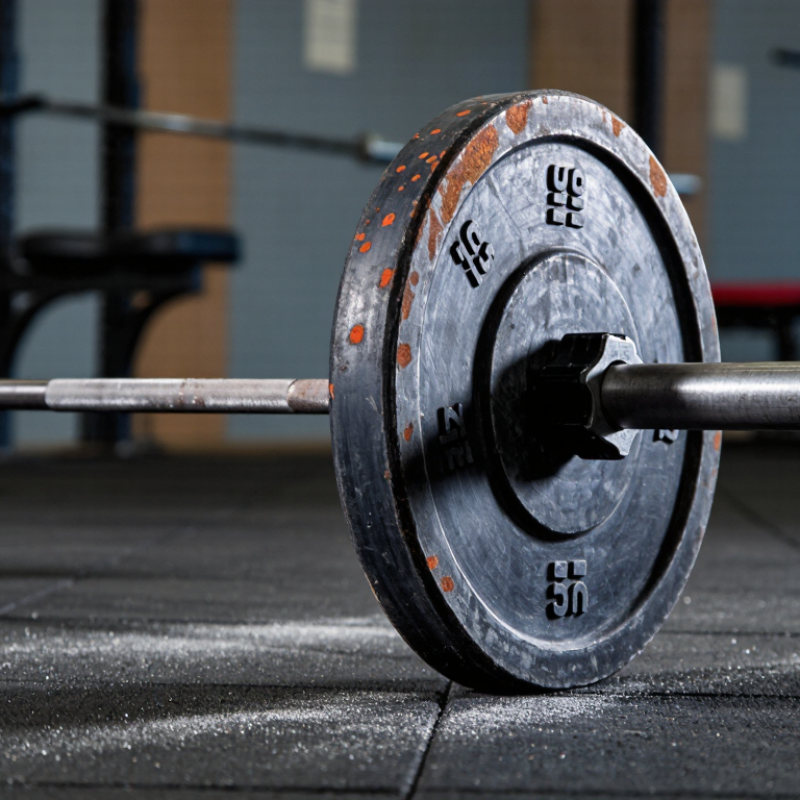
A barbell can look solid and still develop rust beneath a damp hand, chalk dust, or a scratched coating. If you are asking, “Why is my barbell rusting and how to fix it?”, the answer usually starts with moisture and exposed steel. Sweat left on a shaft, humid storage, and small coating chips can all help corrosion begin. Rust is a warning.

The scale of the problem is broader than gym equipment. NACE International’s IMPACT study estimated that corrosion costs the global economy about US$2.5 trillion annually, or 3.4% of global GDP. That estimate covers many industries, not barbells specifically. It does, however, show why material protection and maintenance deserve attention. Corrosion scientist Herbert H. Uhlig described corrosion as “the destructive attack of a material by reaction with its environment.” His definition fits the small orange spots that appear where a bar’s protective finish has worn away.

This guide looks at practical fixes, prevention, and what to check when comparing China’s top 10 barbell suppliers. Ask about steel grade, surface treatment, coating durability, and quality-control checks; then inspect the knurling, sleeves, and finish closely. A product description alone cannot prove long-term rust resistance. Even careful maintenance has limits in a humid room, and that detail is easy to overlook. Wipe the bar after training, dry it fully, and store it away from damp floors.
China Top 10 Barbell Suppliers Why Is My Barbell Rusting?

What Barbell Rust Is and How It Forms

What Barbell Rust Is and How It Forms

Rust is corrosion that forms when iron or steel reacts with oxygen and moisture. A barbell may look dry, yet sweat or damp air can leave a thin film on its surface. Over time, that film supports a chemical reaction that produces reddish-brown rust. It can begin as tiny spots near knurling, sleeves, or scratches in the finish. Small marks matter.

Sweat contains moisture and salts, which can speed corrosion when left on the bar. Humid storage, wet towels, and chipped coatings can also expose steel to moisture. Rust does not always mean the bar is unsafe, but deep pitting or flaking deserves careful attention. Surface rust may be removable; damage beneath the finish is harder to judge. I would not assume every orange mark tells the same story.

Tips: Wipe the bar with a clean, dry cloth after training, especially around textured grips and sleeves. Store it away from damp floors and keep towels off the steel. Check spots periodically under good light. If rust returns quickly or the metal feels rough, review the storage conditions and seek a qualified inspection when structural damage is possible. One missed wipe happens.

China Top 10 Barbell Suppliers: Why Is My Barbell Rusting? — What Barbell Rust Is and How It Forms

Why it matters: Rust forms when iron reacts with oxygen in the presence of moisture. Dry air contains about 20.95% oxygen, but humidity, sweat, and salt can help corrosion develop faster on a barbell. The chart shows typical dry-air composition by volume; values are rounded.

Why Barbells Rust: Materials, Moisture, and Maintenance

Rust develops when iron in steel reacts with oxygen and moisture. Many barbells use carbon steel, which can rust if its protective coating wears away. Knurling, sleeve edges, and worn spots are common places to find orange marks. Stainless steel resists corrosion better, but it is not rust-proof. Sweat and salty residue can still affect its surface. Small spots matter.

The room often plays a bigger role than people expect. A bar stored in a humid garage, beside a damp wall, or on a cold floor may collect condensation. Sweat left in the knurling can also keep the metal damp after a workout. It is easy to blame the steel; I would check the storage area too. That part is often overlooked.

Wipe the bar with a clean, dry cloth after training, especially around the knurling and sleeves. Let it dry fully before putting it away, and store it off the floor in a ventilated space. For bare steel, a very thin layer of suitable protective oil may help; check care guidance for the bar’s finish first. A nylon brush can loosen dry dirt without harsh scrubbing. If rust keeps returning, inspect the finish and reduce nearby moisture. I sometimes forget how quickly a damp corner can undo routine care.

China Top 10 Barbell Suppliers: Why Is My Barbell Rusting? — Why Barbells Rust: Materials, Moisture, and Maintenance

Barbell material or finish Why rust or corrosion can occur Relative rust risk Practical maintenance
Bare carbon steel Iron in the steel reacts with oxygen and water. Sweat, humid air, and damp storage can speed up oxidation. High Wipe dry after use, brush away residue, and apply a thin coat of suitable barbell oil when needed.
Black oxide finish Black oxide is a thin conversion coating, not a thick waterproof barrier. It offers limited protection if left unoiled or exposed to moisture. Moderate to high Dry the bar promptly and keep a light protective oil film, especially in humid environments.
Hard chrome plating Intact plating helps shield the steel core. Scratches, chips, or worn areas can expose the underlying steel to moisture. Low when intact Wipe clean and dry. Avoid abrasive tools that can damage the plating; inspect exposed or chipped spots.
Zinc-plated steel The zinc layer provides sacrificial protection, but it can wear or be damaged. Corrosion may develop after the coating is depleted or compromised. Low to moderate Keep the surface clean and dry; avoid harsh chemicals and aggressive abrasion that remove the coating.
Stainless steel Chromium in stainless steel helps form a protective passive film. Chlorides, embedded iron particles, and prolonged wetness can still cause staining or corrosion; resistance varies by alloy and conditions. Low, but not zero Wipe off sweat and salt residue. Use a non-abrasive cleaner and dry the bar; avoid steel wool that can leave iron particles behind.
Painted or powder-coated steel The coating separates steel from moisture while intact. Scratches, impact damage, or worn contact points can expose steel and allow rust to form beneath or around the coating. Low when intact Clean with a soft cloth, dry thoroughly, and touch up damaged areas with a compatible coating if appropriate.
Sweat and skin contact Sweat contains water and salts. Repeated contact can leave a corrosive residue, particularly on uncoated or lightly protected steel. Moderate to high Wipe the shaft and sleeves after training. Remove chalk and salt residue before storing the bar.
Humid or poorly ventilated storage Moist air can condense on cool metal surfaces. Long periods of dampness increase the time available for oxidation. Moderate to high Store the bar in a dry, ventilated place, away from leaks and damp floors. Use dehumidification where persistent humidity is a problem.
Chalk, dust, and residue buildup Residue can hold moisture against the surface and make corrosion harder to notice. It does not create rust by itself, but dirty, damp storage raises the risk. Moderate when damp Brush the knurling with a suitable nylon or brass brush, then wipe away loose residue and moisture.
General prevention routine Rust requires iron or steel, oxygen, and moisture; salts and damaged coatings can make corrosion more likely or faster. Risk reduced with routine care After use, remove sweat and residue, dry the bar, inspect the finish, and store it in a dry location. Follow the care guidance for the specific finish.

Note: Rust resistance depends on the steel alloy, coating quality and condition, humidity, salt exposure, and maintenance. A protective finish reduces risk but does not make every bar completely rustproof.

How Rust Affects Barbell Safety and Performance

Rust is more than a cosmetic problem. Sweat, humid storage, and missed drying can leave orange spots on bare or damaged steel. A thin surface film may be removable, but deeper pitting can roughen the shaft and weaken confidence in your grip. Grip matters. If the knurling feels sharp, flaky, or unusually slick, stop lifting and inspect the area under bright light.

Corrosion can also affect the sleeves. Rust around rotating parts may make them turn unevenly, changing how the bar feels during lifts. That does not mean every rusty bar is unsafe; location and depth matter. Check for pits, cracks, loose components, and rough spots where your hands or plates contact the bar. Deep pitting or structural damage calls for a qualified equipment inspection, not guesswork. After training, wipe the bar dry, especially around the knurling and sleeve ends. Store it away from damp floors, and use only cleaning products suited to its finish. A quick wipe is easy to skip. I have seen small spots become a maintenance chore when moisture sits unnoticed, so regular checks are worth the minute.

How to Prevent and Remove Rust from a Barbell

A barbell usually rusts when moisture stays on its steel surface. Sweat leaves salts behind, while humid rooms and damp storage slow drying. Scratches or worn coating expose bare metal, where rust can begin as small orange specks. It happens.

Wipe the barbell with a clean, dry cloth after each workout, especially around the knurling and sleeves. Check grooves closely; sweat can hide there. Store the bar in a dry, ventilated room, away from wet floors and open windows. A very thin coat of suitable protective oil can help protect bare steel, but wipe away excess so the shaft does not feel slippery. Even careful maintenance cannot prevent every mark, so inspect it regularly.

For light surface rust, apply a small amount of oil and gently work the spot with a nylon brush or a non-scratch pad. Wipe the residue away, then dry the bar completely. Avoid aggressive sanding, which can damage the finish and knurling. If rust has formed deep pits, or the metal feels rough after cleaning, stop and seek advice from a qualified equipment technician. Do not force it.

How to Evaluate China’s Top 10 Barbell Suppliers

When comparing China’s top 10 barbell suppliers, assess documented quality controls, not just catalogue photos. The ACSM 2025 Worldwide Survey of Fitness Trends collected responses from more than 2,000 fitness professionals, reflecting continued interest in strength training. That demand makes consistent production and clear material specifications important. Ask for steel grade, coating type, shaft diameter, and load-test records. Specific answers matter.

Rust often starts at a sleeve, knurling groove, or scratched coating, where sweat and moisture remain. Request corrosion-test reports and check which test method, sample, and duration they cover. ISO 9227 defines salt-spray testing procedures; it does not make a test duration a direct promise of years in a gym. A credible supplier should explain that limitation. Compare coating thickness, adhesion checks, and packaging that keeps moisture away during transit. Ask to inspect a finished sample, including its end caps and welds.

Evaluate suppliers with the same checklist, then verify claims through independent inspection or a production-site audit. Review batch traceability, defect handling, and written warranty terms. Request photos of real production records, not only polished showroom images. A spreadsheet can still miss rough handling or humid storage. That gap deserves attention. Ask how the supplier prevents surface damage between coating, packing, and delivery.

FAQS

Why does a barbell develop rust?

Iron in steel reacts with oxygen and moisture. Worn coatings, sweat, and salty residue can leave orange spots.

Where should I check for early rust?

Look around the knurling, sleeve edges, and worn areas. Small spots matter.

Can a humid room cause rust?

Yes. A damp garage, cold floor, or nearby wet wall can encourage condensation. Storage is easy to overlook.

How should I dry a barbell after training?

Wipe it with a clean, dry cloth, especially around the knurling and sleeve ends. Let it dry fully before storing.

How should I store a barbell?

Keep it off the floor in a ventilated space. A damp corner can undo routine care.

Can rust affect grip or lifting performance?

Yes. Flaky, sharp, or unusually slick knurling may affect your grip. Stop and inspect it under bright light.

Does rust on the sleeves matter?

Rust around rotating parts may make them turn unevenly. Check for roughness and loose components.

Is every rusty barbell unsafe?

No. The rust’s location and depth matter. Deep pitting, cracks, or structural damage need a qualified equipment inspection.

How can I clean rust-prone areas?

A nylon brush can loosen dry dirt without harsh scrubbing. For bare steel, a thin layer of suitable protective oil may help; check the finish care guidance first.

Conclusion

Why is my barbell rusting and how to fix it? Rust forms when iron or steel reacts with moisture and oxygen, a process accelerated by sweat, humid storage, damaged protective coatings, and infrequent cleaning. Although surface rust may seem like a cosmetic problem, corrosion can roughen the bar, affect grip, and weaken the metal if it progresses. Understanding the barbell’s material and finish helps explain how quickly it may rust and what care it needs.

To prevent corrosion, wipe the bar after use, keep it dry, store it in a ventilated area, and maintain its finish with suitable cleaning and protective products. Light surface rust can often be removed carefully, followed by thorough drying and protection; deeper corrosion may require professional assessment or replacement. When comparing China-based barbell suppliers, evaluate material specifications, coating quality, manufacturing consistency, inspection procedures, warranties, and clear communication. These checks can help buyers choose equipment that is durable, easier to maintain, and suited to its intended training environment.

Isabella

Isabella

Isabella is a dedicated marketing professional with a sharp focus on driving brand growth and engagement through strategic content creation. With an extensive background in digital marketing, she combines her passion for storytelling with her keen understanding of industry trends to deliver......