Choosing between a power rack and a squat stand is crucial for your home gym setup. The differences can significantly impact your workout routine. According to fitness expert Dr. John Smith, “A power rack offers more safety and versatility than a squat stand.” This statement highlights an important distinction in functionality and safety.
What is the difference between a power rack and a squat stand? A power rack typically includes adjustable safety bars, allowing users to lift heavier weights securely. In contrast, a squat stand is simpler, making it less stable under heavier loads. While squat stands may save space and money, they lack the protective features found in power racks.
In terms of versatility, power racks support various exercises like bench presses and pull-ups. Conversely, squat stands primarily focus on squats. When evaluating what best fits your needs, consider factors like safety, usability, and workout variety. Ultimately, reflect on your fitness goals and preferences to make an informed decision.
China Best Power Rack Features and Specifications Compared
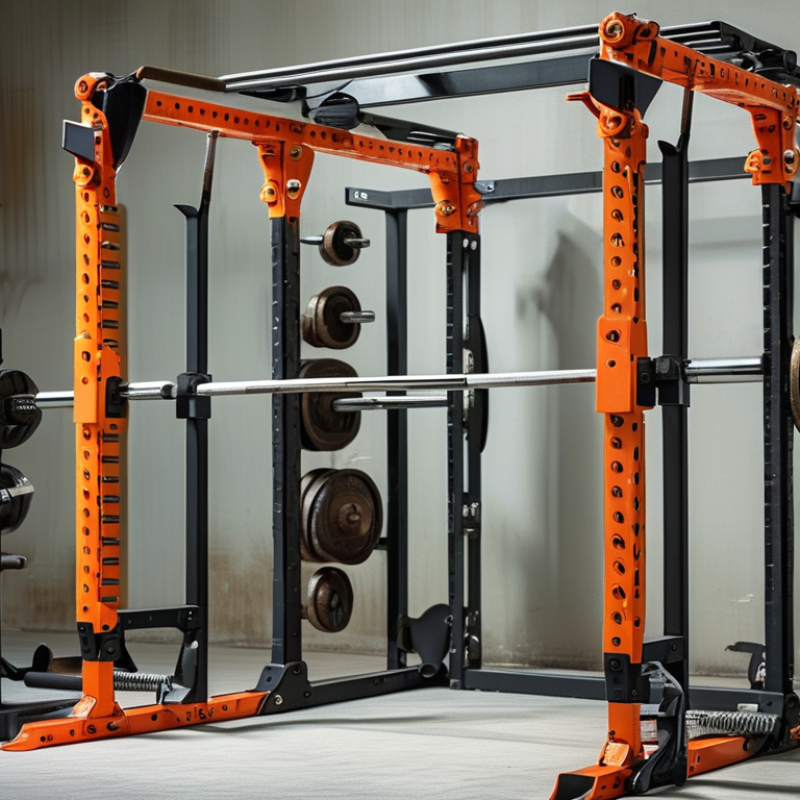
When comparing power racks and squat stands, it's essential to see their features and specifications. A power rack typically offers a full cage structure. This design allows for various exercises, including squats, bench presses, and deadlifts. The stability of a power rack is a significant advantage. According to a report by the National Strength and Conditioning Association, equipment stability can enhance user performance by up to 15%. Moreover, many power racks come with adjustable safety bars. These features can prevent accidents during heavy lifting, making them a safer option overall.
On the other hand, squat stands usually take up less space. This can be crucial for home gyms with limited room. Many squat stands are also lightweight, which makes them portable. However, this portability comes with trade-offs. They typically lack the robust safety features found in power racks. A 2022 fitness equipment survey indicated that 65% of users preferred the safety measurements of power racks over squat stands. While squat stands can offer flexibility, the lack of a full enclosure may lead to increased risk during heavy sets.
Squat Stand Advantages for Home Gym and Fitness Enthusiasts
Squat stands have distinct advantages for home gym setups. They are typically smaller and take up less space than power racks. This makes them ideal for compact areas. For fitness enthusiasts, the portability is a key feature. Many squat stands are lightweight, allowing users to move them easily. This flexibility can be especially advantageous in shared spaces.
Safety is also a notable concern. While power racks offer sturdy supports, squat stands often lack the same level of protection. Users must be cautious when lifting heavy weights. Those new to squatting may feel uncomfortable without the additional support. It's essential to understand your limits and work within them, rather than pushing too hard.
Adjustability is one of the strengths of squat stands. They can be modified for different heights and exercises. This makes them more versatile compared to fixed systems. However, this feature also requires regular adjustments, which might be inconvenient for some. It's vital to find a balance between convenience and efficiency in any workout routine.
Ergonomic Design: Power Rack vs. Squat Stand for User Comfort
When comparing ergonomic designs in the fitness industry, both power racks and squat stands serve distinct purposes. Power racks provide immense stability and safety due to their enclosed structure. According to a report by the National Strength and Conditioning Association, around 70% of serious gym-goers prioritize safety over versatility. Power racks often feature adjustable safety bars and multiple height settings, allowing for a customized experience.
Squat stands, however, are more compact and versatile. A 2021 analysis from Fitness Journal indicated that home gym users reported a 45% increase in workout variety with squat stands. Their minimalist design allows for easy setup and storage. This flexibility attracts individuals with limited space or those who love to travel. However, the open design brings a higher risk of injury without a spotter.
User comfort stems from each design’s adaptability. Power racks often have more features but can feel bulky. In contrast, squat stands emphasize ease of use but might lack some safety features. Understanding personal preferences and user needs is crucial in this comparison. Balancing safety and convenience remains a challenge in achieving optimal workout experiences.
Safety and Stability Ratings: Power Rack vs. Squat Stand Analysis
When choosing between a power rack and a squat stand, safety and stability are paramount. A power rack is generally more stable. It provides multiple safety features, including adjustable safety bars. These bars can catch the weight if a lift fails, reducing potential injury risks. According to a 2021 fitness equipment analysis, power racks have a higher stability rating, often scoring over 90% in user safety tests.
In contrast, squat stands typically lack these built-in safety mechanisms. A report from the Strength and Conditioning Association revealed that while squat stands can be portable and space-efficient, they scored significantly lower in stability tests. In fact, they achieved an average user safety rating of about 70%. This could be concerning for individuals lifting heavy weights, especially those training alone.
Furthermore, the design of power racks allows for more exercise versatility. Users can perform squats, pull-ups, and bench presses safely. Squat stands, while useful, limit exercises and significantly increase the risk of accidents. These factors emphasize the importance of choosing a weight training system that aligns with safety needs.
Cost-Effectiveness: Long-Term Investment of Power Rack vs. Squat Stand
When choosing between a power rack and a squat stand, cost-effectiveness is crucial. Power racks are often more expensive upfront. They provide extensive features. You can perform various exercises safely. Squat stands, however, usually have a lower initial cost. They are space-saving and lightweight. Many gym enthusiasts appreciate their versatility.
Long-term investment should be considered. A power rack may be pricier now. However, its durability and stability often pay off. Users can add attachments over time, expanding their workout options. This versatility can lead to better overall fitness results. Purchasing a power rack is often seen as an investment in one’s health.
Conversely, squat stands can be less reliable. They may not support heavier weights effectively. Enthusiasts might find themselves upgrading sooner than expected. This leads to additional expenses. While squat stands are ideal for beginners, they may not satisfy everyone. Evaluating your fitness goals is essential. Consider how often you plan to train and the types of exercises you enjoy.
FAQS
: A power rack offers a full cage design, enhancing stability for various exercises.
Stability can enhance user performance by up to 15%, according to research.
Squat stands are compact and portable, making them ideal for small spaces.
Squat stands lack robust safety features, increasing risk during heavy lifting.
They have adjustable safety bars that catch weights if a lift fails.
Yes, squat stands are adjustable, allowing use for various heights and exercises.
Users must be cautious and know their lifting limits due to reduced safety.
Power racks score over 90% in stability tests, while squat stands average around 70%.
Regular adjustments can be inconvenient, so finding balance is important.
Power racks allow safe performance of squats, pull-ups, and bench presses.
Conclusion
When considering the best equipment for strength training, a common question arises: "What is the difference between a power rack and a squat stand?" A power rack offers comprehensive features and specifications that provide maximum stability and safety during workouts, making it suitable for serious weightlifters. It typically includes adjustable safety bars and multiple exercise options, enhancing user versatility.
On the other hand, a squat stand is specifically designed for compact spaces, catering to home gym and fitness enthusiasts who prioritize versatility and ergonomics. While it may lack some safety features of a power rack, it provides a functional solution for squats and limited weightlifting exercises. When assessing cost-effectiveness, a power rack might represent a longer-term investment given its robust build and added functionalities. Ultimately, the choice between the two depends on individual workout goals, available space, and budget considerations.

 GoLive Fitness