Why Is Choosing the Right Boxing Bag Weight Important?

Time:2026-05-09 Author:Amelia
0%

Choosing the right boxing bag weight is crucial for effective training. It makes a significant impact on your performance and skill development. Many new boxers find themselves asking, "How to choose the right boxing bag weight?" The answer isn't straightforward. It relies on various personal factors including body weight, strength, and training goals.

An overly heavy bag can lead to fatigue and ineffective training sessions. Conversely, a bag that is too light may not provide enough resistance for muscle development. For beginners, a medium-weight bag is often a good starting point. This allows for proper technique while building strength. However, as skill levels grow, the weight may need to be adjusted.

Reflecting on your experience is important. Take time to assess how your current bag weight feels during workouts. Are you struggling to deliver powerful punches? Or do you feel like the bag is not challenging enough? Selecting the right weight is not merely a technical choice. It's a vital step towards refining your boxing skills and achieving your fitness goals.
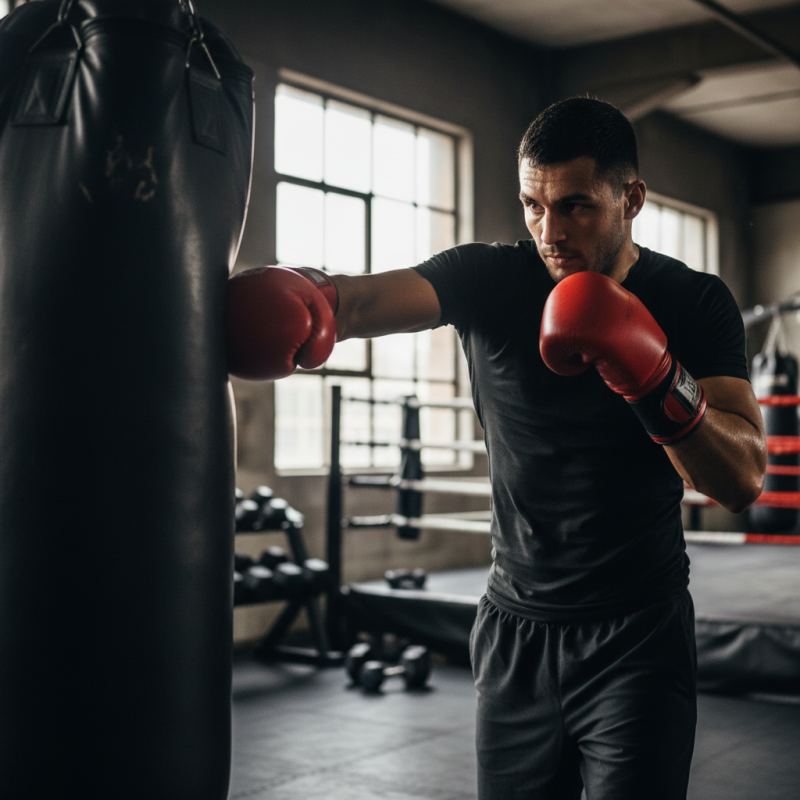
Why Is Choosing the Right Boxing Bag Weight Important?

Understanding the Impact of Boxing Bag Weight on Training Effectiveness

Choosing the right boxing bag weight plays a crucial role in enhancing training effectiveness. The weight of the bag can significantly influence the intensity of a workout. According to a study published in the Journal of Sports Science, using a bag that is too light can lead to reduced muscle engagement. Conversely, a bag that is excessively heavy may inhibit proper striking mechanics.

For beginners, a bag weighing between 40 to 60 pounds is often recommended. This range allows for controlled strikes while still providing resistance. A report by the National Academy of Sports Medicine indicates that an athlete's power output is maximized when the bag weight matches their punch strength. If the bag is mismatched, it can lead to poor technique and increased risk of injury.

Moreover, it is essential to understand how bag weight affects stamina training. Heavier bags demand more energy, leading to quicker fatigue. A study from the American College of Sports Medicine found that varying bag weights during training can improve overall endurance. Yet, over time, many boxers neglect to reassess their bag choice, causing stagnation in their training progress. Adjusting bag weight based on performance goals is crucial for sustained improvement.

Factors to Consider When Selecting the Weight of Your Boxing Bag

Choosing the right weight for your boxing bag is critical. It influences your training effectiveness and injury prevention. Many beginners might think heavier is better. However, this can lead to poor form and strain. Understanding your own strength and skills is essential.

Consider your skill level as you choose the bag weight. If you are new to boxing, a lighter bag may help you practice movement and technique. A bag that is too heavy can hinder your progress. Advanced boxers often benefit from heavier bags for power training. The balance between power and technique shapes performance.

Weight isn’t the only factor; your goals matter too. If you want to improve speed and technique, a lighter bag could be beneficial. For building strength and endurance, a heavier bag is often a better choice. Reflect on your personal fitness goals. Adjustments may be necessary as you progress. Be open to revisiting your choice as your skills evolve.

The Role of Skill Level in Choosing the Appropriate Bag Weight

Choosing the right boxing bag weight hinges significantly on a boxer’s skill level. For novice fighters, a lighter bag, typically weighing 40 to 60 pounds, allows for better control and technique development. A report by the National Academy of Sports Medicine emphasizes that beginners benefit from lighter weights to avoid injuries and build confidence. It's essential for them to practice form rather than power.

Intermediate boxers may opt for a heavier bag, weighing around 70 to 100 pounds. They need to develop strength and power. Studies suggest that using heavier bags can enhance striking power and conditioning, vital for their progression. For advanced martial artists, bags over 100 pounds enhance realism in training. However, this comes with a risk of developing bad habits if techniques aren’t refined.

Tips:
- When selecting a bag, consider your age, weight, and physical condition.
- Regularly assess your skills. Adjust the bag weight according to your growth as a fighter.
- Remember, the aim is not just to hit harder, but to hit better.

Common Mistakes to Avoid When Selecting a Boxing Bag Weight

Selecting the correct boxing bag weight is crucial for both beginners and experienced fighters. Many people make common mistakes, leading to ineffective training. One frequent error is choosing a bag that is too light. A bag that swings too easily fails to provide adequate resistance, which can hinder power development. According to a study by The Journal of Sports Science, heavier bags are essential for building strength and improving striking accuracy.

Conversely, opting for a bag that is excessively heavy can also be detrimental. Beginners often struggle with technique when using a weight that's beyond their capability. This can lead to injuries and poor habits. Proper form is essential in boxing, and an ill-suited weight can exacerbate issues. The American Council on Exercise recommends that the ideal bag weight should be about half your body weight. This guideline can help prevent common errors, ensuring effective training sessions.

The importance of bag weight cannot be overstated. A mismatch can dull your skills or increase injury risk. Many trainers emphasize the need for adjustments as athletes progress. Frequent reevaluation of bag weight is advisable. This approach ensures that the training remains effective and aligned with goals. Such reflective practices contribute significantly to a fighter’s development.

Why Is Choosing the Right Boxing Bag Weight Important? - Common Mistakes to Avoid When Selecting a Boxing Bag Weight

Weight Range (lbs) Recommended Usage Common Mistakes
40-60 Beginners and light training Choosing too heavy for first-timers
60-80 Intermediate training and technique work Underestimating skill level and strength
80-100 Advanced training and heavy striking Overtraining and risking injury
100+ Professional training and heavy cardio Neglecting proper form due to weight

Adjusting Your Training Routine Based on Boxing Bag Weight

Choosing the right boxing bag weight can significantly impact your training effectiveness. A study from the American Journal of Sports Science notes that the bag’s weight directly affects your punching power and technique. Heavier bags are great for building strength but can limit speed. Conversely, lighter bags might enhance speed but may not provide enough resistance for power training.

Adjusting your training routine based on bag weight is crucial for balanced development. For instance, athletes using a 70-pound bag reported increased punching speed by 15% after adapting their drills. It’s essential to assess whether your current bag weight challenges your skill level without risking injury. Small changes can yield significant results. A lighter bag might boost your rhythm, while a heavier one may focus on endurance and strength.

Reflecting on your experiences with different weights can reveal much. Many boxers find they excel with varying weights for different workouts. This means experimenting with a mix of bag weights may enhance your overall performance. What works for one might not work for another. Finding the right bag can lead to better technique and preparation in the ring.

FAQS

: What is the importance of choosing the right weight for a boxing bag?

: The weight affects training effectiveness and helps prevent injuries. Choosing wisely is crucial.

Can beginners use heavier bags?

Beginners should avoid heavy bags. They benefit more from lighter bags to focus on technique.

How does skill level influence bag weight choice?

A novice needs a lighter bag for control, while advanced boxers may use heavier bags for power training.

What weight is suitable for beginners?

A bag weighing between 40 to 60 pounds is ideal for beginners. This helps them avoid injuries.

How can weight affect a boxer's goals?

For speed and technique, lighter bags are better. Heavier bags help build strength and endurance.

Should bag weight change over time?

Yes, as you progress in skills, reassess and adjust your bag weight to align with your growth.

What risks come with using heavy bags?

Using heavy bags can lead to developing bad habits. Proper technique is essential to avoid this.

What factors should you consider when selecting a bag?

Age, weight, fitness condition, and personal goals should guide your selection for the best fit.

Conclusion

Choosing the right boxing bag weight is crucial for maximizing training effectiveness and ensuring safety during workouts. Understanding how bag weight impacts your training is essential, as it can influence your technique, power, and stamina development. When determining the appropriate weight, factors such as your body weight, skill level, and specific training goals must be considered.

A common mistake is choosing a bag that is too heavy or too light, which can lead to ineffective training sessions or increased risk of injury. As you progress in skill and strength, adjusting your training routine to accommodate the weight of your boxing bag is key to continual improvement. In summary, knowing how to choose the right boxing bag weight involves evaluating these factors thoughtfully to enhance your boxing skills effectively.

Amelia

Amelia

Amelia is a seasoned marketing professional with a wealth of expertise in our company’s core offerings. With an unwavering passion for driving growth and innovation, she plays a pivotal role in shaping our marketing strategies and enhancing brand visibility. A key aspect of her responsibilities......