Choosing the right weight for your boxing bag can significantly influence your training sessions. According to boxing coach Mark Taylor, “Your bag should be heavy enough to challenge you but light enough to maintain good form.” This highlights the balance needed in selecting the appropriate boxing bag weight.
When considering “How to choose the right boxing bag weight?”, it's vital to assess your skill level, strength, and training goals. A heavier bag may provide resistance but can also lead to poor technique if you struggle to control it. Conversely, a lighter bag allows for speed but might not build the power needed for effective punches.
Each individual has unique needs. Beginners often find a 70 lb bag optimal, while more experienced boxers may prefer weights up to 100 lbs. It’s important to reflect on your style: are you focusing on power or speed? The answer will guide your choice. Ultimately, experimenting with different weights can lead to better insights and help refine your training approach.
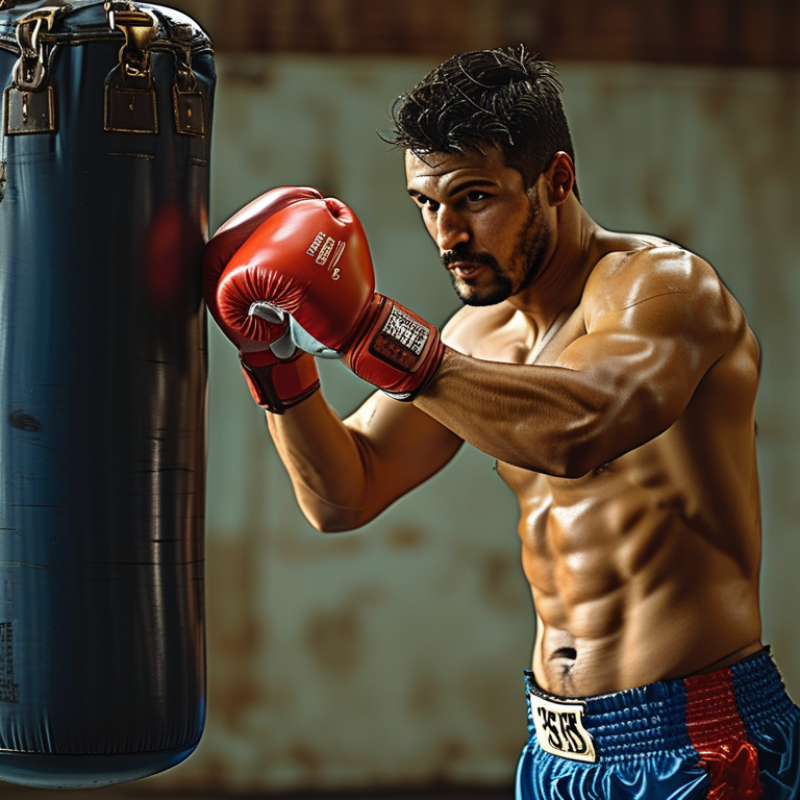
When selecting a boxing bag, it's essential to understand the different types available. Heavy bags are perfect for building strength and power. These bags typically weigh between 70 to 150 pounds. They provide resistance for powerful punches and kicks. If you're a beginner, a lighter bag may be a better choice.
Speed bags are smaller and designed for improving hand-eye coordination. They help develop speed and rhythm in your punches. These bags are usually attached to a platform, allowing them to bounce back quickly. They require precise strikes but can be tricky for beginners to master.
Another option is the double-end bag. This bag is anchored to the floor and ceiling, moving rapidly when struck. It’s excellent for developing accuracy and timing. However, it can be challenging to use, especially if you’re not yet comfortable with your technique. Consider your goals, skill level, and space. Understanding these factors is crucial in choosing the right boxing bag for your workouts.
When selecting the right weight for your boxing bag, several factors come into play. Your skill level is crucial. Beginners might lean toward lighter bags. This allows for quicker punches and improved technique. Heavier bags, however, are better for advanced users seeking power training. They help build strength and endurance.
The type of training you intend to do also matters. If you're focused on cardio and speed, a lighter bag could be more beneficial. For strength training, aim for a heavier option that challenges your muscles. Additionally, consider your body weight and height. A heavier individual might require a heavier bag for stability. Conversely, lighter individuals may prefer a lighter bag to avoid unnecessary strain.
Lastly, don’t forget the space available. If your training area is small, a lighter bag might be easier to manage. The goal is to enhance your skills without causing injury. Reflect on your objectives regularly to ensure your choice aligns with your progress and training style. This ongoing evaluation can lead to more effective workouts.
Choosing the right weight for your boxing bag is crucial. It directly affects your training effectiveness. A heavy bag can improve strength. A lighter bag focuses on speed and technique.
Consider your skill level. Beginners may benefit from a lighter bag. This allows for better form and technique. Advanced boxers might prefer heavier bags. They need the challenge to develop more power. Understand your training goals. If you aim to enhance stamina, a lighter bag is ideal. For strength building, go heavier.
Reflect on your experience. If you find yourself struggling with control, your bag might be too heavy. Adjusting the weight can lead to better performance. Notice your progress. Are you becoming stronger? Or are you just maintaining consistency? Tailoring the bag weight to your needs ensures impactful training.
Choosing the right weight for your boxing bag plays a vital role in training effectiveness. Testing the bag's weight helps you find the right feel, impacting your performance. According to a report by the American Council on Exercise, the optimal bag weight is generally 1/3 of your body weight. This guideline offers a starting point, yet individual preferences vary.
When you begin, try different weights. If the bag feels too heavy, adjustments are necessary. Conversely, a bag that feels too light may not provide adequate resistance. Most trainers recommend a bag weight between 40 to 100 pounds for average adults. However, a heavier bag may aid experienced fighters in power striking, while lighter bags are perfect for speed training.
Pay attention to your body's response during practice. Are you fatigued too quickly? This may indicate your bag is too heavy. Notice if your technique suffers. A bag that’s too light might not engage your muscles effectively. Monitoring these aspects will enhance your training quality. Don’t hesitate to switch weights until you discover what truly feels right for you. Each fighter’s journey is unique, and adjustment is part of growth.
| Weight (lbs) | Height of Bag (inches) | User Weight (lbs) | Skill Level |
|---|---|---|---|
| 40 | 36 | 100 | Beginner |
| 60 | 42 | 140 | Intermediate |
| 80 | 48 | 180 | Advanced |
| 100 | 54 | 220 | Expert |
When it comes to boxing training, selecting the proper weight for your boxing bag is essential. The weight of the bag can significantly influence your technique and performance. According to a study from the National Strength and Conditioning Association, a heavier bag can benefit strength training, while a lighter bag can improve speed and agility. Understanding these differences helps in tailoring your workouts to your specific goals.
For instance, if you're focusing on power punches, a bag weighing 70-100 pounds is recommended. This weight allows you to practice with resistance but still maintain control. Conversely, for enhancing speed and footwork, a 40-60 pound bag is more suitable. It encourages quicker combinations and dynamic movements. This balance between weight and technique can be tricky. Some fighters find themselves overwhelmed by a heavy bag, leading to poor form and potential injury. Reflecting on your training needs is vital in choosing the right weight.
Many beginners underestimate how the bag's weight affects their training intensity. A bag that is too light may not build the strength needed for competitions. Conversely, a bag that is too heavy can hinder the development of quick, precise movements. A survey of amateur boxers showed that nearly 40% expressed uncertainty about their choice of bag weight. This level of indecision can be detrimental to training outcomes. Continuous reassessment of the bag's weight is necessary to ensure that it aligns with evolving skill levels and training objectives.
: Consider your skill level first. Beginners should pick lighter bags for better technique, while advanced users may prefer heavier ones for strength.
If your focus is on cardio and speed, a lighter bag is ideal. For strength training, opt for a heavier bag to challenge your muscles.
Yes, a heavier person may need a heavier bag for stability. Lighter individuals might prefer lighter bags to avoid strain.
If your training area is small, a lighter bag is easier to manage. Space limitations are important for safety and convenience.
Choosing the right weight directly affects your training effectiveness. It helps ensure you can perform efficiently and avoid injury.
Regular evaluation is essential. As you progress, your needs may change. This reflection helps keep your workouts effective and aligned with your goals.
If you're struggling, your bag may be too heavy. Adjusting to a lighter bag can improve control and enhance your performance.
Absolutely. If your goal shifts from stamina to strength, you might need to change your bag to match these new objectives.
Not necessarily. A heavier bag is beneficial for strength but can hinder technique if you lack control.
Notice if you're getting stronger or merely maintaining consistency. Tailoring your bag weight can lead to more impactful training results.
When exploring "How to choose the right boxing bag weight?", it's essential to understand the various types of boxing bags available, each designed for specific training needs. Factors such as your own weight, strength, and skill level play a critical role in determining the appropriate weight for your bag.
To effectively match bag weight with your training goals, consider your experience level—beginners may benefit from lighter bags for technique refinement, while more advanced fighters may opt for heavier bags to build power and endurance. Testing different weights can provide insight into what feels right for you, and don't hesitate to adjust the bag weight to suit specific training techniques and styles. This balanced approach ensures that your boxing training is both effective and enjoyable.

GoLive Fitness