How to effectively use spotter arms on a squat rack?

Time:2026-09-03 Author:Ethan
0%

Using spotter arms on a squat rack can enhance safety and performance. However, many lifters are unsure about their effective use. This guide addresses "How to use spotter arms on a squat rack?" to help you lift smarter.

Spotter arms are designed to catch the barbell in case of a failed lift. They provide an extra layer of security. When positioned correctly, they allow for a greater range of motion while minimizing the risk of injury. Make sure to adjust them to the proper height based on your personal squat depth.

It’s common for lifters to overlook how to set up their spotter arms. This can lead to improper use or even accidents. Reflect on your technique and ensure you’re familiar with the equipment. Take the time to practice with lighter weights, adapting as necessary. This approach cultivates a safer and more effective workout experience.
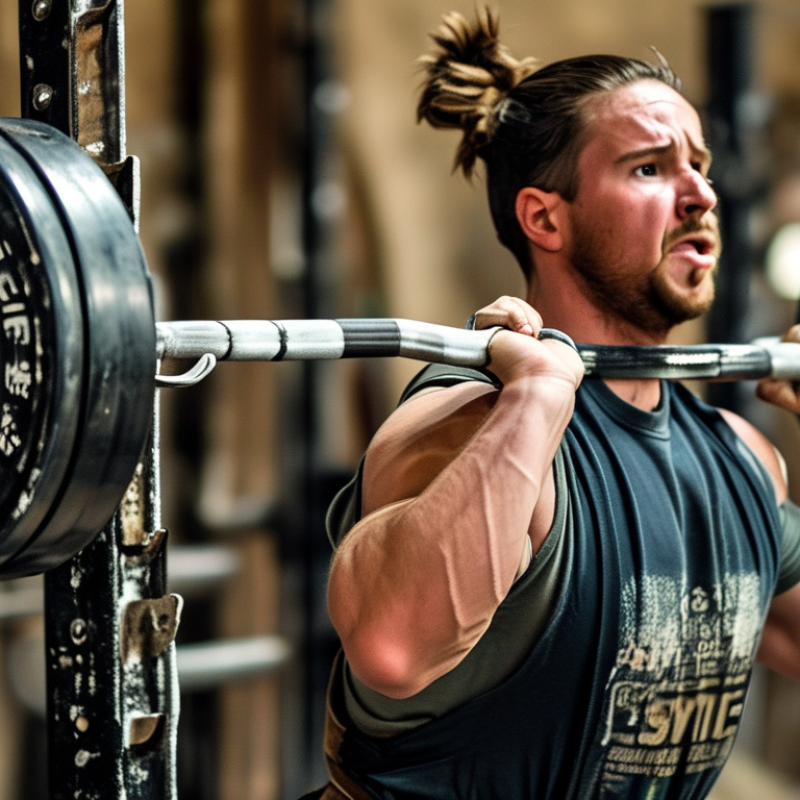
How to effectively use spotter arms on a squat rack?

Understanding Spotter Arms and Their Purpose on a Squat Rack

Spotter arms are essential tools for safety when using a squat rack. They are designed to catch the barbell in case of a slip or failure. This feature allows lifters to train alone without the constant fear of injury. Properly setting them at the right height is crucial. Too low, and they won't catch the weight; too high, and they may impede your lift.

Understanding the correct placement involves considering your squat depth. When the bar is lowered, the arms should be just below the lowest point you reach. Adjusting the arms can also help support various lifts, like bench presses or overhead presses. Some users might forget to check this setup before starting, leading to potential injuries or damage to equipment.

Using spotter arms effectively requires awareness and practice. Ensure they are secure and functional before every session. Consider performing lighter sets to test their position and reliability. It's easy to overlook these elements during heavy lifting, but making these adjustments can significantly enhance your training safety and performance. Learning from each workout can improve your confidence and technique over time.

Setting Up Spotter Arms Correctly for Different Exercises

When setting up spotter arms on a squat rack, precision is essential. Position the arms just above the lowest point of your squat. This provides safety during heavy lifts while allowing for a full range of motion. Adjusting the height according to your body type is crucial. If the arms are too high, they become ineffective. If they’re too low, you risk injury.

Consider the type of exercise as well. For traditional squats, focus on the shoulder and hip alignment. Don’t overlook your grip during setup. If you’re training for overhead presses, ensure the arms are high enough to catch the weight but low enough to allow fluid movement. Each exercise presents unique challenges that require careful adjustment.

Be prepared to adapt your setup as you progress. Not every position will feel right during every session. Sometimes, arms may obstruct your movement. Take the time to reflect after each workout. Adjustments might be necessary based on how you feel during the lift. Learning to effectively use spotter arms takes experience and careful consideration.

Proper Techniques for Safely Utilizing Spotter Arms During Squats

Using spotter arms on a squat rack can enhance your workout safety and effectiveness. Properly adjusting the arms is crucial. They should be positioned just below the lowest point of your squat. This placement ensures they catch the barbell if you fail a lift, minimizing injury risk.

When squatting, focus on maintaining good posture. Keep your back straight and core engaged. As you lower down, do not hesitate. If you feel the lift is too much, you can drop the bar onto the spotter arms. It can feel daunting to trust the equipment, but with practice, it becomes second nature.

Be mindful of your form throughout the lift. If you feel strain or instability, take a moment to reflect. Adjusting your stance or weight might be necessary. Regularly evaluate your setup and technique. Consistent reflection improves your safety and progress in the long run.

Effectively Using Spotter Arms on a Squat Rack

This chart demonstrates the effectiveness rating of various features of spotter arms used during squats. Proper height and adjustable angles significantly enhance safety and effectiveness, while weight capacity and user experience are also important factors to consider.

Adjusting Spotter Arms for Enhanced Safety and Performance

Adjusting spotter arms on a squat rack is crucial for both safety and performance. Proper adjustments ensure that the arms are at the right height. For most lifters, spotter arms should be set at a level that allows the bar to rest safely without hitting the body during a missed lift. Research indicates that proper usage can significantly reduce the risk of injury, with studies showing that nearly 50% of weightlifting injuries are due to improper equipment use.

To enhance safety, ensure that the spotter arms are securely locked in place. Many lifters overlook this step, leading to potential accidents. When setting up the arms, consider your squat depth and personal range of motion. These factors influence how low the bar can drop without causing injury. A study by the National Strength and Conditioning Association highlights that squat depth significantly affects muscle activation. Neglecting to adjust arms properly may restrict full muscle engagement and limit performance gains.

Lastly, regular maintenance checks on the spotter arms can prevent wear and tear. Many gym-goers forget this maintenance, leading to compromised equipment functionality. Also, it's essential to adapt the setup based on varying exercises. Adjusting the arms differently for front squats versus back squats can optimize effectiveness. Always review your setup and seek feedback from trainers or experienced lifters. Adjustments may seem tedious, but they play a pivotal role in achieving both safety and performance goals in strength training.

How to Effectively Use Spotter Arms on a Squat Rack? - Adjusting Spotter Arms for Enhanced Safety and Performance

Adjustment Level Height (inches) Recommended Weight (lbs) Primary Safety Feature
Low 24 80 Catching Falling Barbell
Medium 30 150 Preventing Excessive Forward Lean
High 36 250 Reducing Risk of Injury

Common Mistakes to Avoid When Using Spotter Arms on a Squat Rack

Using spotter arms on a squat rack can enhance your workout, but many make common mistakes that can lead to injury. One frequent error is not adjusting the arms to a suitable height. When they are too high or too low, they don't provide the necessary support during your lift. This can increase the risk of dropping the barbell or straining muscles. It’s crucial to set the arms at a level that matches your squat depth, ensuring safety.


Another mistake is neglecting proper positioning. If you train alone, relying solely on spotter arms can be misleading. They are meant to assist, not replace the benefits of a workout partner. Many lifters fail to maintain awareness of their surroundings. Pay attention to space to ensure the barbell clears the arms when you rise. Ignoring this can create tension and distraction during the lift.


Lastly, lifters often do not practice with lighter weights before trying heavier loads. Testing your limits without proper acclimatization can lead to serious injuries. Being overconfident with heavier weights on the squat rack can backfire. Always focus on your form and gradually build up when using spotter arms. Thoughtful adjustments and awareness of your technique will lead to better performance and a safer lifting experience.

FAQS

: What are spotter arms used for?

: Spotter arms catch the barbell if you slip or fail during a lift.

How should I adjust spotter arms?

Set them just below your lowest squat depth for optimal safety.

Why is proper height important?

If they are too low, they won't catch the weight; too high, they might impede your lift.

How can I ensure safe usage of spotter arms?

Regularly check their positioning and functionality before each workout session.

What should I do if I feel unsteady during a lift?

Reflect on your form and adjust your stance or weight to regain stability.

Can I rely solely on spotter arms?

No, they assist but cannot replace a workout partner’s support; stay aware of your surroundings.

Why is it beneficial to practice with lighter weights?

Testing your limits gradually helps avoid serious injuries and builds confidence.

What common mistakes should I avoid?

Neglecting proper height adjustment and failing to practice with lighter weights can lead to injury.

How does good posture affect my squats?

Maintaining a straight back and engaged core minimizes strain and enhances lift efficiency.

What can I reflect on after each workout?

Evaluating your form, technique, and use of spotter arms can improve your safety and performance.

Conclusion

In discussing "How to use spotter arms on a squat rack?", it is essential to understand their purpose and the benefits they provide during workouts. Spotter arms serve as safety features that allow users to perform squats with additional security, especially when lifting heavy weights. Setting them up correctly for different exercises is crucial, as it ensures that they are positioned at the optimal height to catch the barbell in case of a failed lift.

To maximize safety and performance, proper techniques for utilizing spotter arms should be followed, including adjusting their height for various squat depths. Common mistakes, such as improperly positioning the arms or neglecting to adjust them based on the exercise being performed, can lead to unsafe lifting conditions. By adhering to these guidelines, users can effectively and safely incorporate spotter arms into their squat routine, enhancing both their training experience and results.

Ethan

Ethan

Ethan is a seasoned marketing professional with a deep expertise in our company's innovative product line. With a passion for sharing knowledge and insights, he takes the lead in regularly updating our corporate blog, where he explores industry trends, product features, and effective marketing......