When setting up a home gym, one crucial aspect often overlooked is the ceiling height. Many fitness enthusiasts ask, "How much ceiling height for a power rack?" The answer is not straightforward. Factors such as your height and the exercises you perform play significant roles. A power rack requires a minimum clearance to ensure safety and comfort.
Ideally, a ceiling height of at least 7 to 8 feet is suggested. This height accommodates most exercises, including overhead lifts. However, if you're taller, you might need even more space. Consider how you will use the rack and the equipment you'll pair with it.
Reflecting on your unique needs is vital. A power rack can become a centerpiece of your workout. But if the ceiling is too low, it might become a source of frustration. Establishing the right height guarantees you can perform exercises safely and effectively.
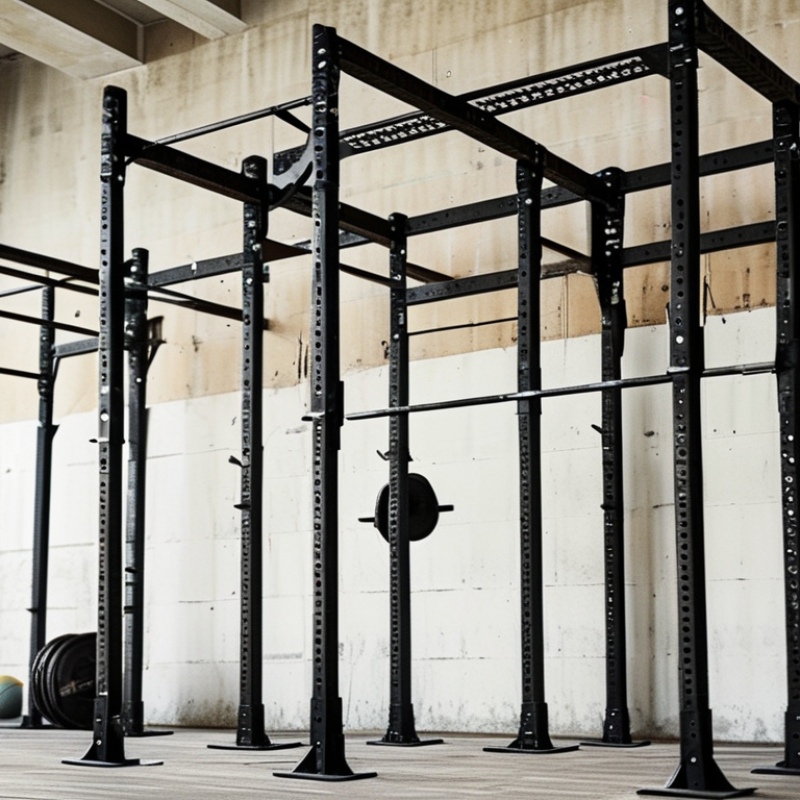
When setting up a gym at home, understanding power rack ceiling height requirements is crucial. The height of your ceiling can directly affect your workout experience. Professional trainers recommend at least 8 feet of clearance for effective lifting. Most users often overlook this aspect, leading to difficulties in performing overhead lifts or pull-ups.
A study from the National Strength and Conditioning Association indicates that many gym enthusiasts underestimate the importance of proper clearance. If your ceiling is too low, you risk injury or equipment damage. Consider the height of your power rack plus any additional vertical space needed for your movements. A 7-foot ceiling may not be sufficient for overhead exercises.
Tips: Before purchasing a power rack, measure your space. Ensure there’s extra height for safety. Do not cram in equipment if your ceiling is low. Think ahead about movement and comfort. Proper planning can prevent future headaches.
Additionally, remember that various power racks have different height profiles. Some equipped with pull-up bars require more headspace. User reviews often highlight this issue, reinforcing the need to inspect dimensions carefully. Always prioritize safety and practicality in your setup.
When selecting the ideal ceiling height for a power rack, several factors come into play. The first factor is the exercises you plan to perform. Olympic lifts and overhead presses require additional space. A minimum clearance of 7-8 feet is recommended to ensure safety and comfort.
Another important consideration is the height of the lifter. Taller individuals need more vertical space to avoid hitting their head. You may need to adjust your space based on the tallest lifter in your household. Think about the equipment's placement and any overhead obstructions, such as lights or beams.
Tips: Measure your space before installation. Take into account the highest lift you will perform. It’s better to have extra room rather than risking injury. Be aware of the potential for noise and vibrations from heavy lifting. This can affect lower ceilings or adjacent rooms.
Ultimately, planning your gym layout with power rack height in mind will enhance your workout experience. Consider not just current needs, but future growth as well. Adjustments might be necessary down the line if your training regimen evolves.
| Rank | Ceiling Height (Feet) | Recommended Clearance (Feet) | Purpose | Ideal Usage |
|---|---|---|---|---|
| 1 | 8 | 2 | Home Gym | Lifting, Squats |
| 2 | 9 | 3 | Commercial Gym | Olympic Lifts |
| 3 | 10 | 4 | Home Gym | Functional Training |
| 4 | 11 | 5 | Strength Training | Powerlifting |
| 5 | 12 | 6 | CrossFit | High-intensity Training |
| 6 | 13 | 7 | Professional Gym | Competitive Lifting |
| 7 | 14 | 8 | Elite Training | Advanced Techniques |
| 8 | 15 | 9 | Powerlifting | Deadlifts, Squats |
| 9 | 16 | 10 | Bodybuilding | Varied Exercises |
| 10 | 17 | 11 | Fitness Studio | Versatile Workouts |
When considering power rack setups, ceiling height is a crucial factor. Most residential spaces have ceilings ranging from 8 to 10 feet in height. This can pose challenges for taller users or serious lifters who require more room for movements. For example, if you plan to perform overhead presses or pull-ups, an 8-foot ceiling might limit your range of motion.
Commercial spaces often have higher ceilings, typically around 10 to 12 feet. This additional height provides more flexibility for workout routines. However, it's important to confirm the height before setting up. A power rack should have at least 3 feet of clearance above for optimal usage. Many people overlook this detail and later find their workouts constrained.
Another consideration is the lack of uniformity in ceiling heights across various buildings. Older structures might have lower ceilings, while new constructions may vary in dimensions. It is wise to measure your space carefully. Remember, a well-fitted power rack can enhance your workout experience significantly. If you misjudge the height, it can affect your motivation and performance. Planning is key.
When it comes to power rack usage, ensuring adequate ceiling height is crucial for safety. The minimum recommended height for a power rack is typically around 7 feet (or 84 inches). However, this may vary based on individual user requirements and specific exercises. Some users may require additional space for overhead lifts, making heights closer to 8 feet ideal. According to industry reports, many personal trainers emphasize the importance of ceiling height in preventing accidents during workout sessions.
Consider factors like the highest point of the exercise and the user's height. If you're 6 feet tall, you'll need about 8 to 12 inches above your head at all times. It's wise to measure your space before installation. A tight area can lead to injuries, especially during heavier lifts.
Tips: Always test your ceiling height with a simple jump. If you can easily touch the ceiling, reassess your setup. Additionally, consider using a squat pad on the bar to minimize impact if you need to adjust your lift. Providing ample clearance not only enhances safety but also promotes confidence during training.
When setting up a power rack, ceiling height is crucial. Ideally, you want at least 7 to 8 feet of clearance. This allows you to perform overhead movements comfortably. Without adequate height, exercises like overhead presses or pull-ups become challenging. It’s frustrating when you can't use your equipment as intended.
If your ceiling is low, consider a few adjustments. One option is to use a weight bench instead of a full rack. This minimizes the need for high overhead movements. Another solution involves using shorter attachments that limit the height requirement. Some users find folding racks convenient. They can be put away when not in use, saving space and ensuring safety.
Creating an optimal setup might involve some trial and error. You may need to rearrange furniture for more space. Testing your movements with different setups can help identify the best arrangement. It’s essential to prioritize safety and maintain an inviting workout environment. Adjusting your space with purpose ensures that your power rack will serve you well.
: At least 7 to 8 feet is ideal for safe lifting.
Low ceilings can hinder overhead movements and lead to injury.
Measure the height and consider overhead obstructions like lights.
Consider using a weight bench or shorter attachments for safety.
Taller individuals need more clearance to avoid accidents during lifts.
Folding racks save space. Rearranging furniture can also help.
Your training regimen may evolve, requiring more space later.
Yes, it can cause frustration and limit your ability to perform certain exercises.
Assess the space carefully and allow extra height for movements.
No, overcrowding can lead to unsafe conditions and injury risks.
When considering a power rack for home or commercial use, one crucial question often arises: "How much ceiling height for a power rack?" Understanding power rack ceiling height requirements is vital for ensuring safety and usability when performing various exercises. Factors such as the height of the individual, the type of exercises being performed, and the presence of overhead equipment can influence the ideal ceiling height.
Typically, common ceiling heights in residential settings range from 8 to 10 feet, while commercial spaces may have higher ceilings. It's important to determine the minimum height needed, which often starts at around 7.5 feet for safe power rack usage, allowing adequate space for overhead lifts. If ceiling height is limited, tips for adjusting the setup, such as using flat flooring and optimizing the arrangement of the power rack and flooring space, can help achieve an effective and safe workout environment.

GoLive Fitness