Can You Fit a Squat Rack in Your Apartment Space?

Time:2026-05-01 Author:Isabella
0%

If you live in an apartment, you may wonder, "Can you put a squat rack in an apartment?" This question is more common than you might think. Many fitness enthusiasts face space limitations while trying to create a workout area at home. A squat rack can be a fantastic addition to your fitness routine, but it also requires careful consideration of the available space.

When determining whether a squat rack can fit in your apartment, think about both size and functionality. You need to measure the space where you plan to place the rack. Also, consider the ceiling height and the flooring. An improperly placed squat rack can lead to damage or safety issues.

There’s more to consider than just spatial dimensions. It's important to think about noise, building regulations, and your neighbors. Living in close quarters may limit your ability to perform heavy lifts without disturbing others. So, is a squat rack worth it? Reflecting on these challenges can lead to a more informed decision about home fitness equipment.
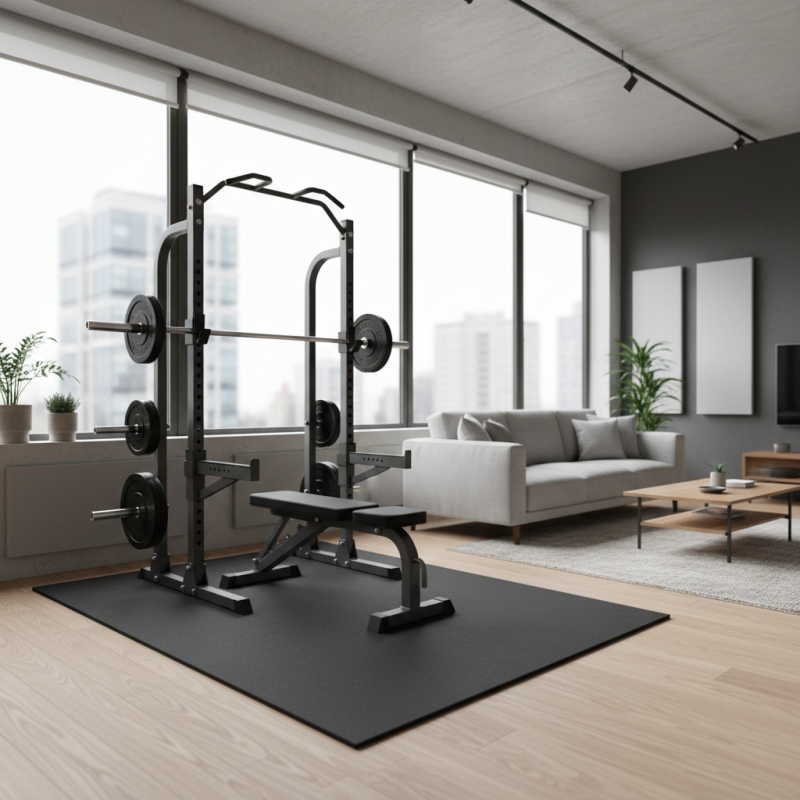
Can You Fit a Squat Rack in Your Apartment Space?

Assessing Space Requirements for a Squat Rack in an Apartment

When considering a squat rack for an apartment, space assessment is crucial. A standard squat rack typically measures around 4 feet in width and slightly larger in depth. This can consume significant space, particularly in small living areas. A 2022 report by the International Health and Fitness Association indicates that 40% of fitness enthusiasts live in apartments. Therefore, finding room for equipment like a squat rack demands strategic planning.

Ceiling height is another critical factor. Most squat racks require a minimum height of 7 to 8 feet. Lower ceilings can hinder exercises and lead to unsafe conditions. A survey by the Apartment Fitness Design Institute found that 30% of apartment dwellers have ceilings below the recommended height. Moreover, consider the surrounding environment. You need at least 3 feet of clearance on all sides of the squat rack for safe access.

The importance of versatility cannot be overstated. Many users opt for multifunctional equipment to maximize limited space. Compact models or foldable options can provide flexibility. Yet, these designs often compromise stability. Reflect on your own needs. Is it worth sacrificing a little stability for more versatility? Balancing safety and functionality becomes key when fitting workout equipment into an apartment.

Types of Squat Racks Suitable for Small Spaces

When considering a squat rack for an apartment, space is crucial. Luckily, there are various types of squat racks specifically designed for limited areas. Foldable racks are an excellent option. They can be set up quickly and tucked away when not in use. Many homeowners appreciate this flexibility.

Wall-mounted racks are another space-saving solution. These units allow you to anchor to the wall. They stay out of the way and take up minimal floor space. However, installation can be tricky. Proper placement is essential to ensure safety during workouts.

Portable squat racks are great for small spaces as well. They often come with adjustable heights and are lightweight. You can easily move them around your home. Though convenient, they might lack stability compared to fixed models. It’s important to weigh the pros and cons carefully. Each option has its pros and cons, so reflect on your workout habits and space needs.

Measuring Your Apartment: Key Areas for Rack Placement

When considering a squat rack for your apartment, measuring your space is essential. Start by identifying key areas that can accommodate fitness equipment. Look for available corners or wide spaces near walls. Measure the height, width, and depth of these areas to ensure a proper fit. Most squat racks require at least a small area of 6 feet by 4 feet.

Natural light and ventilation are also important. Avoid placing the rack in dark, cramped spaces. A well-lit area can motivate workouts. Ensure there’s enough overhead space for barbell lifts and movements. Take careful notes of your measurements; plan A might not be ideal if the ceiling is low.

Lastly, reflect on your daily activities. If your living space is multi-functional, think about noise levels and movement. Some equipment can be bulky and impede daily life. Consider rubber mats for flooring protection and noise reduction. Balancing fitness and comfort takes thought. Make adjustments based on your needs and living conditions.

Considering Noise and Vibration Impact on Neighbors

When considering a squat rack for your apartment, noise and vibration are key concerns. These racks can generate significant noise during use. The sound from heavy weights clanging and the vibration of the structure can disturb neighbors. In densely populated buildings, the impact is magnified.

Installing a squat rack may require soundproofing measures. Rubber mats can help absorb noise. However, they may not eliminate all sound. Even with precautions, the likelihood of complaints remains. Neighbors may be particularly sensitive to disturbances during early mornings or late evenings. It’s important to consider your community and the potential for conflicts.

Reflecting on space and noise, weigh the pros and cons. Is your workout routine worth the risk of disturbing others? A smaller, quieter solution could be more suitable. Ultimately, the implications for both you and your neighbors must be taken seriously.

Alternative Solutions for Home Workouts in Limited Spaces

Finding space for a squat rack in your apartment can be a challenge. However, there are alternative solutions for effective home workouts. Consider using resistance bands. They are compact and versatile, allowing you to perform a variety of exercises without needing much space. You can easily store them in a drawer or hang them on a wall.

Another excellent option is bodyweight exercises. Push-ups, squats, and lunges require no equipment. You can do these anywhere, whether in your living room or on a balcony. Adding variations to these moves keeps your routine engaging. For instance, try single-leg variations for more intensity.

If you have a small area, equipment like adjustable dumbbells or kettlebells can be valuable. They take up less space and offer various weight options. However, be sure to prioritize safety. Working out in a confined area increases the risk of accidents. Always check your surroundings to avoid injuries. Finding ways to optimize small spaces for workouts often leads to creative solutions.

FAQS

: What types of squat racks are suitable for small spaces?

: Foldable racks are great for quick setup and storage. Wall-mounted racks save floor space but require careful installation. Portable racks are adjustable and lightweight but may lack stability.

How do I measure my apartment for a squat rack?

First, find areas that can hold fitness equipment. Look for corners or walls. Measure height, width, and depth thoroughly.

What's the minimum space required for a squat rack?

Most squat racks need at least a small area of 6 feet by 4 feet. This ensures safety and movement.

Why is natural light important for rack placement?

A well-lit area can motivate workouts. Dark spaces can feel cramped and uninviting. Choose a spot with good lighting.

How do ceiling height & ventilation impact squat rack placement?

Ensure enough overhead space for lifts. Poor ventilation can affect comfort. Choose areas with good airflow.

What should I consider if my living space is multi-functional?

Think about noise levels and movement. Bulky equipment can interfere with daily life. Make adjustments based on your routine.

Should I use protective flooring under a squat rack?

Yes, rubber mats can protect flooring and reduce noise. This can enhance comfort during workouts at home.

Can squat racks be set up in cramped spaces?

Avoid cramped areas. They can make workouts difficult and feel unsafe. Choose spacious spots instead.

Are there any disadvantages to foldable or portable racks?

Foldable racks may lack stability. Portable racks can be less robust. Weigh these factors before deciding.

What are common mistakes when placing a squat rack?

Poor placement leading to safety issues is common. Neglecting measurements can also lead to inadequate space. Reflect on your choices carefully.

Conclusion

When considering the question, "Can you put a squat rack in an apartment?", it's essential to assess your available space and the specific requirements of a squat rack. Analyze the dimensions of different types of squat racks that could fit into smaller living areas, ensuring they provide stability without overwhelming the space. Critical measurement areas include ceiling height and available floor space, which are vital for proper placement.

In addition to physical dimensions, consider the noise and vibration impact on your neighbors, especially in multi-unit dwellings. For those who find a squat rack impractical in their apartment, there are alternative solutions for home workouts that can be equally effective without requiring extensive equipment. By evaluating these factors, you can make an informed decision about incorporating a squat rack or exploring alternative fitness options in your limited space.

Isabella

Isabella

Isabella is a dedicated marketing professional with a sharp focus on driving brand growth and engagement through strategic content creation. With an extensive background in digital marketing, she combines her passion for storytelling with her keen understanding of industry trends to deliver......