How to Fit a Squat Rack in Your Apartment for Effective Workouts?

Time:2026-07-25 Author:Mason
0%

Can you put a squat rack in an apartment? This question often arises for fitness enthusiasts living in limited spaces. According to Dr. Emily Thomson, a fitness expert and author, "Installing a squat rack in your apartment is possible, but you'll need to consider space, noise, and stability."

Choosing the right type of squat rack is crucial. Compact, adjustable racks often fit better in smaller apartments. You can also opt for wall-mounted or foldable designs. These solutions maximize your space without sacrificing workout effectiveness. Noise can be a significant concern too. Using rubber mats can help minimize sound during heavy lifts.

However, it's important to reflect on the potential impact on your neighbors. If you're in a shared building, consider their comfort. You'll also want to ensure your floor can handle the weight. Ultimately, while incorporating a squat rack in your apartment is feasible, thoughtful planning is key.
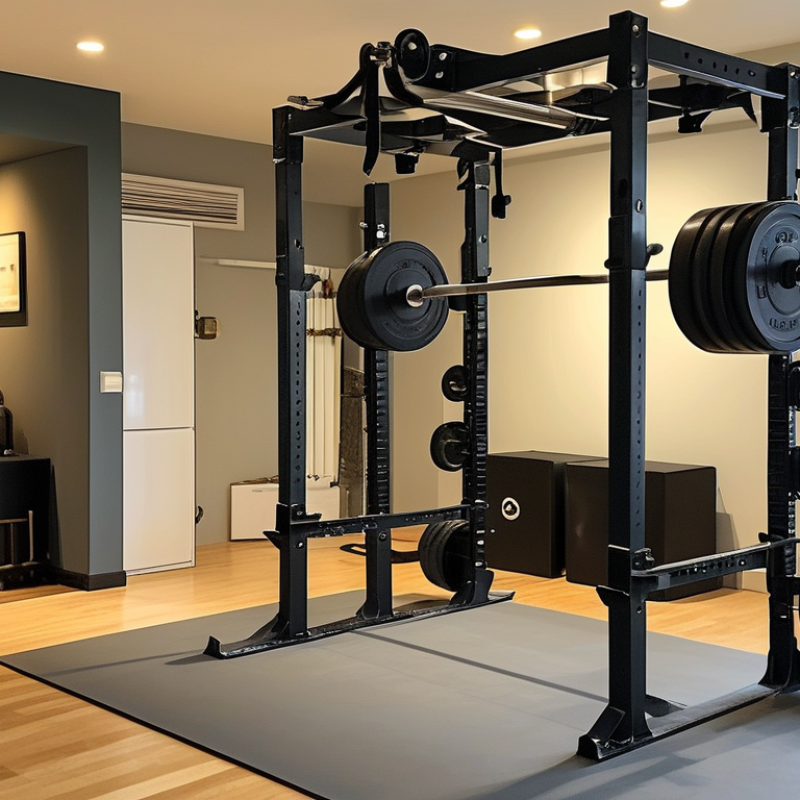
How to Fit a Squat Rack in Your Apartment for Effective Workouts?

Choosing the Right Squat Rack for Apartment Spaces

When considering a squat rack for your apartment, space and design are crucial. A compact rack can help maximize your workout area. According to a survey by the International Health, Racquet & Sportsclub Association (IHRSA), over 70% of home gym users prefer equipment that doesn’t overwhelm their living spaces. A foldable or adjustable squat rack is ideal for tight quarters.

It's essential to assess the ceiling height and floor sturdiness. Many apartment dwellers underestimate these factors. A report from the American Council on Exercise (ACE) highlights that improper installation can lead to accidents. Stability matters more than size when it comes to safety during workouts. You may want to explore racks with a lower profile and wider bases for enhanced stability.

Quality should never be compromised. Ideally, a squat rack should be made of heavy-duty steel. Users should prioritize durability, especially in small spaces where movement is limited. A review from ACE indicates that the right squat rack can increase workout effectiveness by over 30%. Take your time to weigh options. Not all racks fit all spaces perfectly.

Measuring Your Available Space for Optimal Fit

Measuring your available space is crucial when fitting a squat rack in an apartment. Begin by assessing your room dimensions. Use a tape measure to determine the height, width, and depth available for your setup. Make sure to account for clearance above the rack. A ceiling height of at least eight feet is ideal. This will allow room for overhead lifts and avoid any unfortunate bumps.

Consider the floor space too. A squat rack can take up significant floor area, especially when you include your movements or an exercise mat. Think about placing it in a corner or along a wall. This approach can maximize space efficiency. Don't forget the drainage for any potential spills or sweat. You might need a protective mat to avoid damaging your floor.

Reflect on your typical workout routine as well. If you often need to move around the rack, factor this into your measurements. It may feel cramped if there is not enough room to perform exercises comfortably. Try using painter’s tape to outline the squat rack’s dimensions on the floor. This visual aid helps you get a better sense of how it will fit into your lifestyle. Remember, fitting a squat rack is a mix of functionality and your personal space needs. Be prepared to make adjustments as you settle into your routine.

Available Space Measurements for a Squat Rack in an Apartment

Assessing Floor Strength and Stability for Safety

When considering fitting a squat rack in your apartment, the first critical step is assessing the floor's strength and stability. According to the American Society of Civil Engineers, most residential floors can support around 40 pounds per square foot. However, this varies based on your building's age and construction type. It’s vital to calculate the total weight your chosen setup will exert on the floor. A standard squat rack and barbell setup can easily exceed 300 pounds during use, requiring extra caution.

In urban settings, buildings often have different structural support systems. For example, high-rise apartments might use lightweight materials that do not provide the necessary durability for heavy lifting. Inspecting your floor's reinforcement, potentially consulting with a structural engineer, can add clarity. It may sometimes be necessary to distribute weight using a platform. A design from the National Institute of Standards and Technology suggests that using a plywood base can help mitigate risks by spreading load effectively across a wider area.

Potential hazards can arise if the rack is placed on unstable flooring. Movement during lifts can cause vibrations, possibly leading to cracks or even worse. It’s crucial to monitor your surroundings and make adjustments. Paying attention to the floor's overall condition can prevent accidents. Aiming for a safe workout space is instrumental, especially when considering the intensity of exercises like squats.

Creative Storage Solutions for Squat Racks in Small Areas

Fitting a squat rack in an apartment can seem daunting, but creative solutions can optimize space. A study in the Journal of Sports Sciences found that even a small workout area can significantly improve fitness levels. Assess your space carefully before deciding where to place the squat rack. Consider utilizing corners or wall mounts for stability. This approach not only saves floor space but also creates a dedicated workout zone.

Storage is key in smaller areas. Vertical storage solutions are effective. Wall shelves and hooks can hold weights and accessories, freeing up valuable floor area. According to the National Health and Nutrition Examination Survey, consistent training at home increases adherence to workout routines. A well-organized space encourages regular use of the squat rack.

However, some designs may take time to adapt to. Not every squat rack fits all environments. Getting the right measurements matters. Reflecting on this, it’s important to think about how each piece of equipment influences your daily life. Balancing aesthetics with functionality can transform a cramped space into an efficient workout haven.

Maximizing Workout Efficiency in a Limited Space

When fitting a squat rack into an apartment, maximizing efficiency is crucial. Many apartments lack space for traditional gym equipment. However, a compact squat rack can provide a full-body workout without occupying too much room. A study by the American College of Sports Medicine indicated that strength training just two to three times per week boosts overall fitness. Therefore, having a squat rack can help meet these needs.

To optimize space, consider multifunctional equipment. A squat rack that doubles as a pull-up bar or has integrated storage can save valuable square footage. The National Health and Nutrition Examination Survey emphasizes that resistance training results in better muscle mass retention, especially in older adults. Thus, creating a mini gym corner becomes essential. Ensure there is enough clearance for movements. The average ceiling height in apartments is around 8 feet. This limits how tall your rack can be.

Ventilation matters too. A stuffy workout area can lead to discomfort. If you lack windows, portable fans can help. Always reflect on your workout experience. Are you truly efficient in your limited space? Can you add more balance to your routine? Reassessing your setup regularly ensures you are getting the most out of your squat rack and workout space.

How to Fit a Squat Rack in Your Apartment for Effective Workouts?

Dimension Measurement Recommended Space Max Weight Capacity
Height 7 ft (213 cm) Ceiling height: 8 ft (244 cm) recommended 700 lbs (317 kg)
Width 4 ft (122 cm) At least 5 ft (152 cm) of space needed N/A
Depth 4 ft (122 cm) Minimum 6 ft (183 cm) clearance N/A
Assembled Weight 200 lbs (91 kg) N/A N/A
Flooring Requirement Stable, non-slip surface Mat recommended under rack N/A

FAQS

: How do I measure my space for a squat rack?

: Use a tape measure to assess the height, width, and depth of your room.

What is the ideal ceiling height for a squat rack?

Aim for at least eight feet to ensure enough clearance for overhead lifts.

Where should I place my squat rack in a small space?

Consider placing it in a corner or against a wall to maximize floor area.

Why is it important to account for drainage?

You may need to protect your floor from sweat or spills during workouts.

How can I visualize the space needed for my squat rack?

Use painter’s tape to outline the dimensions on the floor for a better perspective.

What should I consider about my workout habits?

Think about how much room you need to move around comfortably when working out.

Are there storage solutions for small workout areas?

Yes, utilize vertical storage like wall shelves and hooks to save floor space.

How does having a dedicated workout area affect motivation?

An organized space can encourage regular use and adherence to your workout routine.

Can all squat racks fit in any space?

No, not every squat rack is suited for all environments; measurements are crucial.

How can I balance aesthetics with functionality in a small space?

Thoughtful design can make a cramped area efficient and visually pleasing for workouts.

Conclusion

When considering the question, "Can you put a squat rack in an apartment?" the answer largely depends on several key factors. First, choosing the right squat rack is crucial, as it's important to select one that fits your space without overwhelming it. Measuring your available space accurately ensures that you can find the perfect fit without sacrificing room for movement. Additionally, assessing floor strength and stability is necessary for safety, as squat racks can exert significant weight.

Creative storage solutions can help maximize your workout area, allowing for effective exercise even in limited spaces. To further enhance your workout efficiency, you can integrate multifunctional equipment that saves space while providing the workout variety you need. By considering these aspects, you can successfully incorporate a squat rack into your apartment, enabling you to maintain a robust fitness routine at home.

Mason

Mason

Mason is a seasoned marketing professional with a deep expertise in the company's offerings and a passion for driving brand awareness. With a strong background in digital marketing strategies, he has an innate ability to connect with diverse audiences and effectively communicate product benefits.......