Why Do I Need Gym Flooring Under My Weights for Safety?

Time:2026-05-03 Author:Amelia
0%

Choosing the right flooring for your gym is essential. But why do I need gym flooring under my weights? According to Dr. Lisa Reynolds, a fitness expert with over 15 years of experience, "Quality gym flooring can protect both your equipment and your safety." Her insight highlights the need for proper flooring when lifting weights.

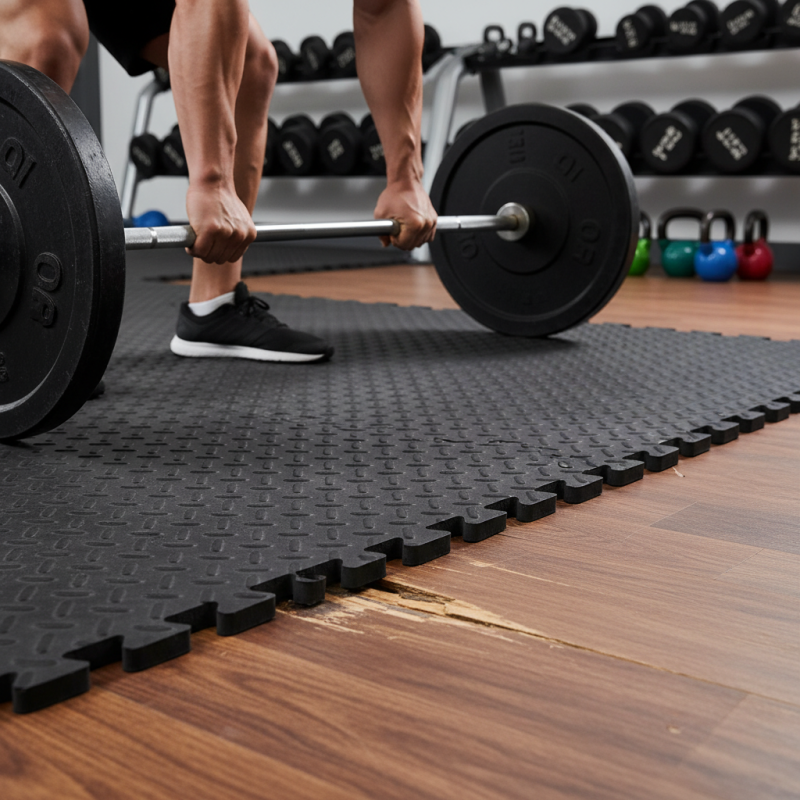
Many gym enthusiasts overlook this critical aspect. They may assume that any surface will suffice. However, standard flooring can wear down quickly under heavy weights. It can lead to potential accidents and equipment damage. For example, wooden floors may splinter or weaken under repeated impact. Furthermore, inadequate flooring can increase your risk of injury. A slip or fall during lifting can have severe consequences.

Investing in dedicated gym flooring not only safeguards your equipment but also creates a safer workout environment. High-impact rubber or foam flooring cushions the load and helps maintain stability. This reduces noise and vibrations, creating a more pleasant training atmosphere. As you contemplate, remember that the right flooring is not just a luxury; it's a necessity for anyone committed to a safe fitness journey.
Why Do I Need Gym Flooring Under My Weights for Safety?

Importance of Gym Flooring for Weight Training Safety

When engaging in weight training, safety should always be a priority. Gym flooring plays a crucial role in protecting both the athlete and the equipment. High-quality flooring helps absorb shock and reduce the impact of dropped weights. This is especially important when heavy lifts are involved. If the floor is too hard or uneven, the risk of injury increases significantly.

Choosing the right flooring can prevent accidents. For example, rubber mats are popular choices because they offer both cushioning and stability. They can withstand the pressure of heavy weights without cracking. However, not all flooring is created equal. Some may not provide adequate grip or shock absorption, leading to slips or joint strain.

The right gym flooring also aids in noise reduction. Loud clangs can be distracting and might disturb others in the vicinity. Uneven or inappropriate surfaces can lead to more than just discomfort. They could also result in costly repairs to both the floor and your equipment. Awareness of these details can enhance your training sessions. Taking the time to invest in proper flooring reflects a commitment to both safety and performance in weight training.

Types of Flooring Materials Suitable for Weight Areas

When setting up a weight training area, flooring choices matter. Not only does the flooring protect your base, but it also safeguards your equipment and injuries. Shock-absorbent materials are vital. They can reduce the impact when weights drop, minimizing the risk of damage and injury. Industry reports indicate that proper flooring can lower the risk of injuries by up to 30%. This is crucial for both home gyms and commercial fitness centers.

Rubber flooring stands out as a popular choice. It provides excellent grip and cushioning. A study published in the Journal of Sports Medicine highlighted rubber tiles' capacity to absorb shocks. They are ideal for both free weights and heavy machines. Foam mats can also work, but they are less durable. They may compress over time and lose their effectiveness. Vinyl and carpet tiles offer a different kind of protection but can be slippery when wet.

Not every option is perfect. Some materials are harder to clean or maintain. For example, while rubber is durable, it can hold odors if not cleaned regularly. Weigh the pros and cons of each type. Consider your workout style and frequency. Assess your needs honestly. Ultimately, informed decisions can lead to safer weightlifting experiences.

Impact of Weight Dropping on Floors and Equipment Longevity

When lifting weights, the impact of dropping them on the floor is often underestimated. High-impact exercises can damage both the flooring and the equipment. Floors without proper protection can crack or warp over time. Unexpected weight drops can also lead to serious accidents. A sturdy gym floor absorbs shock, reducing the likelihood of injury.

The longevity of your equipment is directly tied to the surfaces they rest on. Weight plates and barbells can suffer from permanent damage if dropped on hard surfaces. In contrast, gym flooring designed for impact helps preserve your fitness investments. It minimizes wear and tear on machines and weights, ensuring they remain functional for years.

Choosing the right flooring is crucial for maintaining a safe workout environment. Reflecting on past experiences, everyone might remember a time when a dropped weight caused an accident or unexpected repair costs. Proper flooring can prevent such mishaps and protect your home gym space. Investing in durable, shock-absorbing mats is a decision that pays off in safety and equipment longevity.

Industry Standards for Gym Flooring Thickness and Durability

When considering gym flooring, thickness and durability are critical. Industry standards suggest a minimum thickness of 3/8 inch for flooring used under weights. This thickness effectively absorbs impact and minimizes damage to both the floor and equipment. Research indicates that flooring with this thickness can reduce noise and vibration by up to 50%.

Durability is another vital aspect. High-quality gym flooring can withstand heavy loads without showing signs of wear and tear quickly. The American National Standards Institute (ANSI) recommends durability tests for fitness flooring. These tests ensure the flooring can handle the intense pressure of weight lifting. However, not all flooring options meet these standards, which can pose safety issues.

Choosing the right thickness and durable materials for gym flooring is essential for safety. It is surprising how many facilities cut corners on flooring. They may opt for cheaper, thinner materials. This choice not only endangers equipment but also increases the risk of accidents. Proper gym flooring protects both the user and the facility, ensuring a safer workout environment.

Benefits of Shock Absorption in Gym Flooring for Injury Prevention

Choosing the right gym flooring is essential for safety, especially under weights. Shock absorption plays a significant role in injury prevention. When you lift weights, the force generated can be intense. Proper flooring reduces impact. It saves your joints from unnecessary stress. This cushioning can minimize the risk of strains and sprains.

In a busy gym, accidents can happen. Dropping weights on hard surfaces often leads to injuries. A shock-absorbing floor can help prevent these unfortunate events. It absorbs the energy from falling weights. This creates a safer environment for all. Moreover, certain materials can help reduce noise levels, making workouts more enjoyable.

Reflecting on gym injuries, the right flooring is often overlooked. Many believe that a simple mat suffices. However, inadequate flooring can lead to chronic injuries. Investing in quality gym flooring makes a difference. It’s a decision that enhances safety and performance. Choosing wisely protects not just the athlete but also the space itself.

Benefits of Shock Absorption in Gym Flooring for Injury Prevention

FAQS

: Why is flooring important in weight training areas?

: Flooring protects both your base and equipment. It can prevent injuries, reducing risk by up to 30%.

What are the best materials for weight training flooring?

Rubber flooring is a popular choice due to its grip and cushioning. Foam mats are less durable but useful.

How does shock-absorbent flooring help during training?

Shock-absorbent materials minimize impact when weights drop, reducing injury risks and maintaining equipment longevity.

Are there any downsides to using rubber flooring?

Yes, rubber can hold odors and may require regular cleaning to maintain freshness and hygiene.

Can I use carpet tiles in my gym?

Carpet tiles offer protection but can be slippery when wet. They may not be ideal for all workout styles.

What happens to equipment on hard surfaces?

Equipment can suffer permanent damage when weights drop on hard surfaces, impacting performance and durability.

How often should flooring be cleaned?

Cleaning frequency varies, but it's essential to clean regularly—so odor and dirt don’t build up over time.

Do I need to consider my workout style when choosing flooring?

Absolutely. Your workout style and frequency should influence your flooring choice for better safety and effectiveness.

What should I reflect on when evaluating flooring options?

Think about past accidents or repair costs caused by drops. These experiences highlight the need for safe flooring.

Is there a risk of injury with improper flooring?

Yes, inadequate flooring can lead to slips and falls, resulting in injuries. Always prioritize safety in your choices.

Conclusion

When considering the question, "Why do I need gym flooring under my weights?", it's essential to understand the significant role that proper flooring plays in weight training safety. Appropriate gym flooring helps to absorb shock and distribute the impact of dropped weights, which not only protects the equipment but also enhances the overall longevity of the gym space. Various types of flooring materials, such as rubber or foam, offer unique benefits tailored to weight areas, ensuring protection against damage and reducing the risk of injury.

Additionally, adhering to industry standards regarding flooring thickness and durability is crucial for maintaining a safe workout environment. By investing in high-quality gym flooring with effective shock absorption features, gym-goers can prevent injuries caused by slips or falls, providing a safer experience overall. Ultimately, gym flooring is not just an aesthetic choice; it is a vital component that contributes to safety, performance, and the long-term sustainability of workout spaces.

Amelia

Amelia

Amelia is a seasoned marketing professional with a wealth of expertise in our company’s core offerings. With an unwavering passion for driving growth and innovation, she plays a pivotal role in shaping our marketing strategies and enhancing brand visibility. A key aspect of her responsibilities......