How to Increase My Bench Press Max with China Top Equipment?

Time:2026-10-18 Author:Sophia
0%

Increasing a bench press max requires more than buying impressive equipment. It requires accurate loading, repeatable technique, recovery, and patient training. This guide explores How to increase my bench press max? through practical equipment choices from reputable Chinese manufacturers.

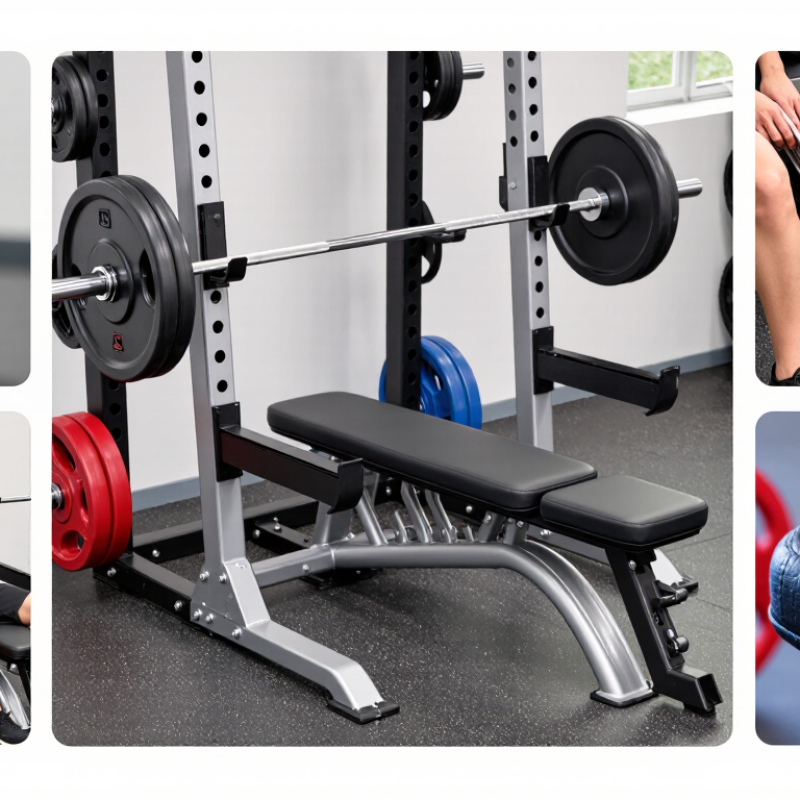
A dependable setup begins with a rigid bench, stable rack, calibrated plates, and a barbell with consistent knurling. Check weight tolerances, steel specifications, weld quality, load ratings, and available safety certifications before purchasing. Product photos are not enough. Ask for testing documents and clear warranty terms.

Small details matter. Your feet should press firmly into the floor. Your shoulder blades should remain controlled against the pad. Safety arms must sit just below your chest position during setup. Train with a spotter when loads become challenging, especially during heavy singles or unfamiliar sessions.

Progress slowly. Add small weight increases, record every set, and monitor bar speed when possible. A qualified coach can identify uneven pressing, unstable wrists, or excessive bouncing. These faults may feel powerful briefly, but they often hide technical weaknesses.

More equipment is not always better. I have seen lifters blame a barbell when inconsistent sleep caused the real problem. I have also underestimated how much bench height and pad texture affected positioning. That mistake changed my setup.

China’s equipment market offers many useful options, but quality varies between factories and models. Compare specifications carefully, inspect the equipment after delivery, and test lighter loads before serious training. Stronger pressing comes from reliable tools, disciplined practice, and honest self-assessment. Be patient. Your best setup may still need refinement.
How to Increase My Bench Press Max with China Top Equipment?

Assess Your Current Bench Press Strength and Training Goals

Before choosing advanced bench press equipment, assess your real starting point. Record your body weight, training age, grip width, and recent best sets. A controlled set of three to five repetitions can estimate your one-repetition maximum. This approach usually creates less fatigue than testing a true maximum. Use a spotter and safety arms when testing heavy loads. Your shoulders should feel stable, not painful.

Your goal must be specific. Increasing your maximum by ten kilograms requires a different plan from improving ten-repetition strength. Note your current bench press frequency, recovery, sleep, and nutrition. I also track bar speed when possible, because slow final repetitions often reveal fatigue. My early training logs were incomplete. I recorded weight but ignored rest time and technique. That mistake made my progress difficult to judge.

China’s well-made strength equipment can support precise assessment when its frame, bench, rack, and adjustment points feel secure. Check whether the bench remains firm during setup and whether the bar path stays consistent. Test equipment with moderate loads before using heavy weight. A wider pad is not automatically better, and more attachments cannot replace sound programming. Review your form from the side: feet stay planted, shoulder blades remain controlled, and the bar touches the same area each repetition. Pain changes the assessment. Stop and seek qualified guidance instead of forcing a personal record.

How to Increase My Bench Press Max with Top Training Equipment?

Assess your current bench press strength and define a realistic training goal before increasing load.

This assessment uses a current one-repetition maximum of 100 kg, a 12-week target of 110 kg, and a longer-term target of 120 kg. Progress should be based on consistent technique, sufficient recovery, and gradual load increases.

Choose China’s Top Bench Press Equipment for Safety and Support

Increasing a bench press max starts with controlled practice, not heavier plates alone. A stable setup lets you focus on bar path, breathing, and repeatable leg drive. When I inspect equipment sourced from China, I check the frame steel, weld consistency, and stated load rating. The rack should resist movement when the bar is unracked. Look closely. I also test the safety arms at several heights, because one perfect setting rarely suits every lifter. Clear product drawings, inspection records, and traceable material information show more than polished product photos. Documentation should also identify applicable safety standards and testing methods. Ask for independent testing where possible.

A supportive bench needs a firm pad, enough shoulder width, and upholstery that does not slide during setup. Anti-slip feet matter on smooth gym floors. The bar hooks should hold the bar securely without blocking a natural lift-off. For heavier attempts, set the safeties just below chest level when your back is arched. This protects the ribs while preserving a full range of motion. Do not ignore small gaps, sharp edges, uneven feet, or bolts that loosen after repeated sessions. I once trusted a strong-looking frame before checking its adjustment pins. That was careless. Now I record measurements, tighten hardware, and test with a light load before serious work.

Set Up Proper Bench Press Technique and Equipment Adjustments

How to Increase My Bench Press Max with China Top Equipment?

A strong bench press begins with repeatable positioning, not heavier plates. I set my eyes beneath the bar, planted both feet, and kept five contact points stable. The five points are both feet, both shoulders, and my head. I pull my shoulder blades down and together before unracking. This creates a firmer pressing surface. My grip stays slightly wider than shoulder width, with wrists stacked above elbows. The bar touches the lower chest, then travels slightly backward toward the rack.

Equipment adjustments often decide whether technique remains consistent. A high-quality rack manufactured in China should offer stable uprights, secure safety arms, and precise height settings. I place the safeties just below my chest when lying relaxed. They catch the bar without blocking normal depth. The bench must resist sideways movement. Even a small wobble changes force direction. I once set the rack too high and lost tightness during unracking. That mistake still needs correcting.

The American College of Sports Medicine’s 2021 guidelines commonly recommend 2–4 sets of 8–12 repetitions for general resistance training. Max-strength work usually needs heavier loads and fewer repetitions. A 2017 meta-analysis in the Journal of Sports Sciences reported better strength gains from multiple sets than single sets. I use three to five controlled sets, stopping before technique breaks. Rest periods last three minutes or longer. I record bar speed, grip width, and perceived effort. The numbers are useful, but they are not perfect. Pain is not progress. A qualified coach should check the setup before heavier testing.

Build a Progressive Training Plan to Increase Your Maximum

To increase your bench press maximum, treat the barbell as a measurement tool, not a daily test. Begin with a safe one-repetition maximum estimate from three to five comfortable reps. Record the load, repetitions, grip width, pause, and perceived effort. ACSM’s resistance-training guidance supports two to three weekly sessions, multiple sets, and gradual loading. Use three weekly bench sessions: volume, technique, and intensity. Leave at least 48 hours between demanding sessions.

During weeks one to three, perform four sets of six reps at 72–77% of your estimated maximum. Week four should reduce volume by about 30%. During weeks five to seven, use three to five reps at 80–87%. In week eight, complete one controlled rep near 90%, then test a heavier attempt only if technique remains stable. A 2022 meta-analysis in Sports Medicine linked heavier resistance with stronger maximum gains, but individual responses differ. Add only 1–2 kilograms when every repetition looks controlled. High-quality equipment produced in China can support this plan when the rack is stable, the bench is level, and plates are accurately marked. My mistake was adding weight too soon; my elbows hurt before my strength improved.

Tips: Warm up with the empty bar, then use small jumps. Set the shoulder blades firmly and keep both feet planted. Use safety arms or a trained spotter. Rest three to five minutes between heavy sets. Stop for sharp pain. Review your log weekly, because a perfect plan still needs adjustment.

How to Increase My Bench Press Max with China Top Equipment? - Build a Progressive Training Plan to Increase Your Maximum

Week Training Focus Main Bench Press Prescription Target Intensity
(% of Current 1RM)
Rest Between Sets Supplemental Work Expected Adaptation
1 Technique and volume base 5 sets × 8 reps 65% 2–3 minutes Paused bench press: 3 × 6; row: 4 × 10; triceps extension: 3 × 12 Consistent bar path, stable setup, and improved work capacity
2 Progressive volume 5 sets × 8 reps 67.5% 2–3 minutes Incline dumbbell press: 3 × 10; pull-down: 4 × 10; face pull: 3 × 15 Higher training volume without reaching muscular failure
3 Strength accumulation 5 sets × 6 reps 72.5% 3 minutes Close-grip bench press: 3 × 6; barbell row: 4 × 8; triceps press-down: 3 × 10 Greater force production and stronger triceps contribution
4 Deload and recovery 3 sets × 5 reps 60% 2 minutes Light rows: 3 × 12; shoulder mobility: 10 minutes; no sets to failure Reduced fatigue while maintaining movement skill
5 Intensification 5 sets × 5 reps 77.5% 3–4 minutes Paused bench press: 3 × 5; chest-supported row: 4 × 8; dips: 3 × 8 Improved strength at moderate-to-heavy loads
6 Heavy strength development 4 sets × 4 reps 82.5% 3–5 minutes Spoto press: 3 × 4; one-arm row: 4 × 8; overhead triceps extension: 3 × 10 Better control near the chest and stronger pressing mechanics
7 Peak strength practice 5 sets × 3 reps 87.5% 4–5 minutes Close-grip bench press: 3 × 5; light row: 3 × 10; mobility work Neural adaptation and confidence with heavy weights
8 Taper and 1RM test Early week: 3 × 3 at 70%; test day: 3–5 single reps 70%, then 90–105% 3–5 minutes Minimal accessory work; stop if technique deteriorates Reduced fatigue and an opportunity to establish a new maximum
Implementation Notes: Train the bench press two times per week, using at least 48 hours between demanding pressing sessions. Calculate percentages from a technically valid current one-repetition maximum. Keep approximately 1–3 repetitions in reserve during normal working sets, add 1–2.5 kg only when all prescribed reps are completed with stable form, and use a spotter or safety arms for heavy attempts. Equipment should be checked for secure bench positioning, stable supports, adequate load capacity, and smooth adjustment before training.

Track Performance, Recovery, and Equipment Effectiveness Over Time

How to Increase My Bench Press Max with China Top Equipment?

A strong bench press improves through measured practice, not equipment alone. I record weight, repetitions, sets, rest time, and perceived effort after every session. I also note sleep hours, shoulder soreness, and body weight. These details reveal patterns that memory often misses. For example, my pressing dropped after several nights below six hours. The problem was recovery, not the bench.

I test equipment effectiveness with consistent setup points. The bench height, pad width, rack position, and bar grip stay unchanged. A stable pad helps me keep tighter shoulder blades and stronger leg drive. I inspect bolts, welds, hooks, and padding before heavy work. Safety matters more than a new personal record. Small changes count. A firmer pad may improve confidence, but it cannot fix poor technique.

My training log includes estimated one-repetition maximums and weekly volume. I increase load slowly when technique remains controlled. I usually leave one repetition in reserve during most working sets. Heavy attempts require a spotter and clear communication. I once blamed the equipment for uneven pressing, then noticed my left elbow was drifting. That mistake changed my review process. Every four weeks, I compare performance, soreness, recovery, and equipment stability. The data is useful, but not perfect. Human effort still affects every result.

FAQS

How can I estimate my bench press maximum safely?

Use a controlled set of three to five repetitions. A true maximum is more fatiguing. A spotter and safety arms are essential for heavy attempts.

What should I record before choosing bench press equipment?

Record body weight, training age, grip width, and recent best sets. Also note frequency, sleep, nutrition, and recovery. My early logs were incomplete.

What training goal should guide my equipment choice?

Define whether you want a heavier single or stronger ten-repetition sets. A ten-kilogram maximum increase needs a different plan. Be specific.

How can I check whether a bench is stable?

Test it with moderate weight first. The bench should remain firm during setup and pressing. Check bolts, welds, hooks, padding, and adjustment points.

Does a wider bench pad always improve performance?

No. A wider pad is not automatically better. Choose a firm surface that supports controlled shoulder positioning. More attachments cannot replace good programming.

Which technique details should I review during pressing?

Keep both feet planted and your shoulder blades controlled. Touch the bar to the same chest area each repetition. Review your form from the side.

How can I track equipment effectiveness over time?

Keep the bench height, pad position, rack setting, and grip consistent. Record weight, repetitions, sets, rest time, and perceived effort. Small differences matter.

How does recovery affect bench press progress?

Track sleep hours, shoulder soreness, and body weight. Several nights below six hours may reduce pressing strength. The problem may be recovery, not equipment.

How often should I review my progress?

Compare performance, weekly volume, soreness, recovery, and equipment stability every four weeks. Increase load slowly when technique remains controlled. The data is useful, but imperfect.

Conclusion

How to increase my bench press max? Start by assessing your current strength, training experience, mobility, and specific goals. This allows you to choose suitable bench press equipment from China’s top options, focusing on a stable frame, reliable safety supports, comfortable padding, and adjustable settings. Proper equipment selection can improve confidence, positioning, and training consistency while reducing unnecessary strain.

Set the bench height, rack position, safety arms, and grip width to match your body and lifting style. Build a progressive plan that combines manageable weight increases with controlled repetitions, sufficient rest, and supporting exercises for the chest, shoulders, triceps, and upper back. Record each workout, including weight, repetitions, technique quality, recovery, and equipment performance. By reviewing this information over time, you can adjust training intensity, identify weaknesses, and steadily develop a stronger and safer bench press maximum.

Sophia

Sophia

Sophia is a dedicated marketing professional with an exceptional depth of knowledge about her company's products and services. With a keen understanding of market trends and customer needs, she crafts insightful blog posts that not only inform but also engage readers, enriching the company’s online......