When setting up a home gym, many wonder, "Why do I need gym flooring under my weights?" This question stems from concerns about damage to the floor and safety for the user. Proper gym flooring can protect both your floors and your equipment. Imagine dropping a heavy weight on a hardwood floor; it could cause chips or dents. Not to mention the risk of slipping or injuries on certain surfaces.
Choosing the right flooring can enhance your workout experience. Quality gym floors provide cushioning and stability, which can improve your performance. They also help absorb impact, reducing noise levels and protecting your neighbors if you live in an apartment.
However, it's important to reflect on your specific needs. Some may think a mat or carpet is sufficient. Others might overlook the long-term benefits of investing in quality flooring. These factors can influence not just the gym's aesthetics, but also its functionality. Ultimately, understanding the necessity of gym flooring can lead to a safer, more effective workout environment.
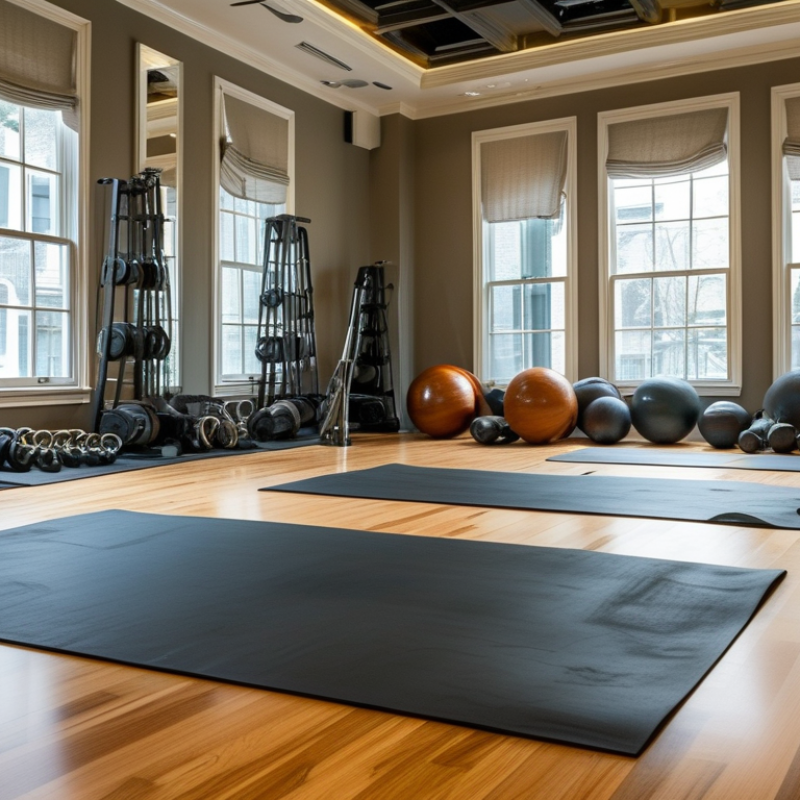
When setting up a weightlifting area, the choice of flooring is crucial. Gym flooring significantly impacts safety and performance. According to the National Strength and Conditioning Association, around 50% of gym injuries relate to poor flooring choices. Solid flooring can lead to slips, trips, and falls during heavy lifts.
Durable materials like rubber provide traction and shock absorption. A report by the International Journal of Sports Medicine highlights that rubberized flooring reduces the impact of dropped weights by over 90%. This minimizes the risk of damage to both the floor and the equipment. Proper flooring can also reduce noise. Weightlifting can create sound disturbances that might annoy people nearby.
Failure to invest in the right flooring can have consequences. Uneven surfaces can lead to unstable footing, affecting lift performance. Additionally, it can increase maintenance costs due to floor damage. Remember, the right flooring plays a vital role in a safe and effective lifting environment. Choosing poorly can lead to discomfort and distractions, ultimately affecting workout quality.
Choosing the right gym flooring for weight training is crucial. The flooring should absorb impact and provide stability. Rubber flooring is a popular choice due to its durability and shock-absorbing qualities. Studies show that rubber can reduce noise by up to 80%. This is important for both home gyms and commercial spaces.
Foam tiles are another option. They are lighter and easier to install. However, their durability under heavy weights may be limited. A report from the Athletic Equipment Association notes that foam can compress over time, leading to reduced support. For serious weightlifters, rubber is typically recommended.
Tip: When selecting flooring, consider the type of weights you'll use. Heavier weights require more robust flooring.
Carpet tiles can also serve as a cost-effective solution. They offer basic protection and support but fall short in terms of durability. The National Institute of Health points out that while carpets provide comfort, they can retain odors and stains, which could be problematic.
Tip: Regularly check the condition of your flooring. Signs of wear can indicate when it's time to replace or upgrade. Make your choice based on your workout intensity and environment for best results.
Having proper flooring under weights is essential for any home gym. High-quality flooring protects your floor from the impact of heavy weights. It absorbs shock, reducing the risk of damage to the subfloor. When weights drop, potential harm can occur—both to your property and your equipment. Many people overlook this crucial aspect.
Installing appropriate gym flooring also enhances safety. Slips and falls are common with traditional flooring. Dedicated gym mats provide better grip, preventing accidents during workouts. They add cushioning, making exercises more comfortable on your joints too. With a softer surface, you might notice improved stability during lifts.
Another benefit is noise reduction. Weights can create significant sound when dropped. Flooring materials minimize noise, helping maintain a peaceful environment. This can be especially important if you live in an apartment or shared space. Gym flooring can function as an effective sound barrier while supporting your fitness journey.
Using gym flooring under weights is crucial for protecting your home. Without it, significant damage can occur. Heavy weights can crack hardwood floors. They can also dent concrete surfaces and scratch tile. This damage is costly and can be hard to fix.
Consider the noise as well. Dropping weights on an unprotected floor creates loud thuds. This disrupts your household and neighbors. Sound dampening material within flooring minimizes this issue. Proper flooring absorbs impacts, making workouts quieter and more pleasant.
Sometimes, people overlook the importance of flooring. They think their floors can handle it. But even a small drop can lead to problems. Many don’t realize the long-term costs of repairs. It’s easier to invest in quality flooring than to face expensive fixes later. A protective layer is a small price for peace of mind.
This chart illustrates the percentage of potential damage to gym equipment based on different types of flooring. Gym flooring is crucial in minimizing wear and tear on weights and machines.
When considering the cost-effectiveness of gym flooring under weights, it's crucial to look at the long-term benefits. High-quality flooring minimizes damage to your subfloor. According to studies, proper gym flooring can reduce the risk of structural damage by up to 35%. This protection can save money on repairs over time.
Investing in gym flooring also enhances safety. Slips and falls account for a significant percentage of injuries in fitness environments. Research indicates that having durable flooring can reduce these incidents by nearly 50%. The initial cost might seem high, but when you weigh it against potential medical expenses, the savings become clear.
Additionally, gym flooring can improve your workout experience. Comfortable, resilient surfaces help reduce fatigue. Some reports show that users workout 20% longer on better quality flooring. This can lead to improved health outcomes and encourage a more consistent workout routine. Balancing upfront costs against future benefits reveals why gym flooring is more than just an aesthetic choice.
: Gym flooring affects safety and performance. Poor choices can lead to injuries and accidents.
Bad flooring can lead to slips, unstable footing, and increased maintenance costs.
Rubber flooring is popular due to its durability and shock-absorbing qualities.
Rubber reduces noise and absorbs impact, minimizing damage from dropped weights.
Foam tiles are lighter but may compress and lose support under heavy weights.
Consider the type of weights you'll use. Heavier weights need sturdier flooring.
Carpet tiles are cost-effective but lack durability and can retain odors.
Regular checks for wear and tear help determine when to replace flooring.
Yes, uncomfortable or distracting flooring can impact the overall workout experience.
Neglecting maintenance can lead to greater safety risks and costly repairs.
When considering a home gym setup, one might wonder, "Why do I need gym flooring under my weights?" The importance of gym flooring in weightlifting areas cannot be overstated. Proper flooring not only provides a stable and safe surface for workouts but also protects both the equipment and the underlying floors from potential damage due to heavy weights. Various types of gym flooring, such as rubber mats or foam tiles, are specifically designed to absorb impact, reducing noise and floor wear.
Moreover, having appropriate flooring under weights offers numerous benefits, including enhanced safety measures, improved performance, and easier maintenance. Without proper flooring, one risks damaging the floor beneath and equipment over time. Ultimately, investing in quality gym flooring proves to be cost-effective in the long run, saving on repairs and ensuring a safer workout environment.
GoLive Fitness