What to Eat Before Heavy Lifting for Optimal Performance?

Time:2026-07-05 Author:Charlotte
0%

When considering "What to eat before a heavy lifting session?", proper nutrition plays a crucial role in performance. According to Dr. Jennifer Lee, a sports nutritionist, "Your pre-workout meal can make or break your lifting session." She emphasizes the importance of consuming the right nutrients.

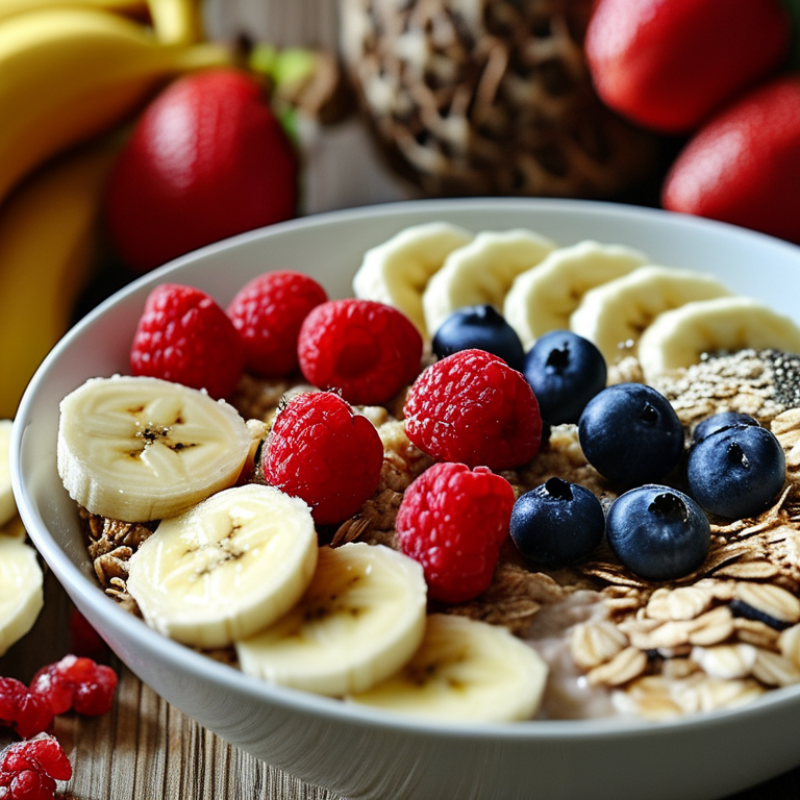
The optimal meal should focus on carbohydrates and protein. Carbohydrates provide energy for high-intensity lifts, while protein helps repair muscle tissue. Choosing foods like oatmeal with bananas or a protein shake with berries can be effective. These meals support sustained energy and boost strength output.

However, it's essential to personalize your diet. Not everyone reacts the same way to different foods. Some individuals may feel sluggish with heavy meals. Experimenting with timing and food types could unveil what truly works for you. The key is to listen to your body's signals.
What to Eat Before Heavy Lifting for Optimal Performance?

Factors Influencing Nutritional Needs for Weightlifting

When it comes to heavy lifting, nutrition plays a significant role in enhancing performance. Several factors influence your nutritional needs before a workout. These include body weight, workout intensity, and individual metabolism. Each person may require different fuel to optimize their strength training sessions. Listening to your body is essential in determining what works best for you.

Tips: Focus on balanced meals. Aim for carbohydrates for energy and protein for muscle support. Good options include whole grains, lean meats, and legumes. Hydration should not be overlooked; staying well-hydrated is crucial for performance. Even a slight dip in hydration can impact strength.

Consider meal timing too. Eating too close to your lift could lead to discomfort. Alternatively, waiting too long can leave you feeling sluggish. It's about finding the right balance. Each session may require adjustments based on your physical response. Monitor how you feel during lifts and make necessary changes. Achieving optimal performance is often a trial-and-error process. Be patient and stay committed to your nutritional strategy.

Optimal Macronutrient Ratios Before Heavy Lifting

When it comes to heavy lifting, the right macronutrient balance is crucial. Research indicates that a pre-workout meal rich in carbohydrates and protein can enhance performance. A study published in the Journal of Strength and Conditioning Research shows that a 3:1 ratio of carbohydrates to protein helps in better recovery and muscle retention.

Carbohydrates are crucial for fueling your workout. They provide the energy needed to lift weights effectively. Protein supports muscle recovery and growth. A meal containing 30 grams of carbohydrates and 10 grams of protein 30 minutes before a workout is often a good benchmark. This enables optimal energy release during heavy lifting sessions.

**Tip:** Always aim for whole food sources. Consider oatmeal with a scoop of Greek yogurt or a banana with a handful of nuts. It might not always be convenient, but finding time to prepare these choices can significantly impact your performance.

Nutrition can be tricky. Not every meal plan works for everyone. Keep a food journal and track how you feel during lifts. Adjustments may be necessary. Listening to your body is key to finding the ideal balance. Individual responses to macronutrient ratios can vary, so stay flexible in your approach.

What to Eat Before Heavy Lifting for Optimal Performance?

Food Item Carbohydrates (g) Protein (g) Fat (g) Calories
Oatmeal 27 6 3 150
Banana 27 1 0 105
Chicken Breast 0 31 3.6 165
Greek Yogurt 10 15 4 120
Mixed Nuts 6 5 15 180
Peanut Butter Toast 30 8 16 300

Recommended Foods for Pre-Workout Nutrition

Choosing the right foods before heavy lifting can greatly impact your performance. Carbohydrates are particularly important. They provide the energy needed for intense workouts. Opt for complex carbs like oatmeal or whole-grain bread. These release energy slowly, ensuring you don’t crash midway through your session.

Proteins also play a crucial role. Incorporate chicken, eggs, or Greek yogurt into your meals. They help repair and build muscle. Aim to consume protein in moderation, as too much before working out might upset your stomach. Hydration cannot be overlooked either. Drink enough water before your workout to stay energized.

Listening to your body is essential. Everyone reacts differently to foods. What works for one person might not work for another. Be mindful of how your body responds to different meals and adjust accordingly. Sometimes, it’s okay to experiment with food choices and timings. The perfect pre-workout meal is not a one-size-fits-all solution.

Timing Your Pre-Workout Meal for Maximum Energy

Timing is crucial for maximizing workout performance, especially before heavy lifting. Researchers emphasize the importance of a pre-workout meal consumed about 30-60 minutes prior to exercising. This timeframe allows your body to convert food into usable energy effectively. A study published in the Journal of Sports Nutrition indicates that consuming carbohydrates before a workout can enhance endurance and strength, improving overall performance.

When planning your pre-workout meal, focus on easily digestible carbohydrates and some protein. Foods like oatmeal with a banana or a small smoothie can provide the necessary fuel. The carbohydrate intake aids in increasing glycogen stores, while protein plays a supporting role in muscle repair. According to experts, a ratio of 3:1 is beneficial for carbohydrate to protein intake. Remember, individual responses may vary, and not everybody will feel optimal with a heavy meal right before lifting. It is essential to experiment with portions and timings.

Hydration is often overlooked yet critical. The effect of dehydration can lead to decreased strength and endurance. Studies show that even a 2% loss in body weight due to fluid loss can significantly impair performance. Listening to your body and adjusting meal timing is key. What works for one might not work for another. Flexibility in your approach can be beneficial.

Hydration Strategies to Enhance Lifting Performance

Hydration is vital for heavy lifting. When muscles are well-hydrated, they perform better. Dehydration can lead to fatigue and decreased strength. Aim to drink water throughout the day. This sets a solid foundation for your training.

Before lifting, consider your fluid intake. Drinking 16-20 ounces of water two hours prior can be helpful. During intense workouts, you might need an electrolyte drink. This helps replenish lost minerals. Monitor your urine color to gauge hydration. Clear or light yellow indicates good hydration.

Remember that individual needs may vary. Some athletes find they need more fluids than others. Pay attention to how your body feels. Adjust based on your workouts and climate conditions. Hydration is not a one-size-fits-all approach. Tuning in to your needs is crucial for optimal performance.

FAQS

: Why is the right macronutrient balance important before heavy lifting?

: The right balance helps enhance performance and supports recovery. A well-timed meal can significantly impact your lifting.

What is an ideal pre-workout meal?

A meal with 30 grams of carbohydrates and 10 grams of protein, eaten 30 minutes before lifting, is beneficial.

What types of carbohydrates should I consume?

Opt for complex carbs like oatmeal or whole-grain bread. They release energy slowly, preventing a crash during workouts.

How important is hydration before working out?

Hydration is vital. Even a small loss of fluid can decrease strength and endurance. Drink enough water before exercising.

Can everyone follow the same pre-workout meal plan?

No, individual responses vary. It’s important to track how different meals affect your performance and adjust accordingly.

What if I consume too much protein before lifting?

Consuming excessive protein can upset your stomach. Moderation is key for an optimal pre-workout meal.

How does meal timing affect workout performance?

Consuming a meal 30-60 minutes before lifting allows your body to convert food into energy effectively, enhancing endurance.

Should I experiment with different pre-workout foods?

Yes, experimenting can help find what works best for you. Flexibility in meal choices is essential for optimal performance.

What is a common misconception about pre-workout meals?

Many believe there is a one-size-fits-all solution. In reality, the perfect meal is highly individual and may require adjustments.

How do I know if my pre-workout meal is effective?

Keep a food journal to track your energy levels and performance. This will help you identify which meals work best for you.

Conclusion

When considering what to eat before a heavy lifting session, it's crucial to understand the factors that influence your nutritional needs. These include your body weight, the intensity of your workout, and personal metabolic factors. To optimize performance, focusing on the right macronutrient ratios is essential; a balanced mix of carbohydrates for energy, proteins for muscle repair, and healthy fats is recommended.

Pre-workout nutrition should also include foods that are easily digestible and provide sustained energy without causing discomfort. Timing your pre-workout meal is key; ideally, it should be consumed 1-3 hours before lifting to ensure maximum energy levels. Additionally, staying hydrated plays a significant role in enhancing your lifting performance—make sure to drink enough fluids before and during your workout to maintain optimal hydration. By following these guidelines, you can significantly improve your heavy lifting experience.

Charlotte

Charlotte

Charlotte is a seasoned marketing professional with a deep understanding of the company's portfolio and a passion for elevating its presence in the market. With a keen eye for detail and a commitment to excellence, she ensures that our professional blog is regularly updated with insightful articles......