How to Properly Use Spotter Arms on a Squat Rack?

Time:2026-05-19 Author:Isabella
0%

Using spotter arms on a squat rack can significantly improve safety during workouts. Recent studies show that approximately 70% of gym injuries occur during weightlifting activities. Proper use of equipment not only minimizes risks but also enhances workout efficiency. Understanding how to use spotter arms on a squat rack is crucial for both beginners and experienced lifters.

Spotter arms provide support in case of failed lifts. They act as a reliable safety mechanism during heavy squats. A survey by the National Strength and Conditioning Association indicated that lifters who utilize spotter arms report feeling more secure, leading to increased weights lifted. However, many fail to adjust them correctly, which can result in injuries or ineffective workouts.

While spotter arms are essential, improper usage raises concerns. Are they set at the right height? Are you sure they’re secure? These questions are vital for fostering a safe environment. Reflecting on your setup can help identify possible oversights. Learning how to use spotter arms on a squat rack properly can make a difference. Establishing that habit can prevent injuries and encourage progressive training.
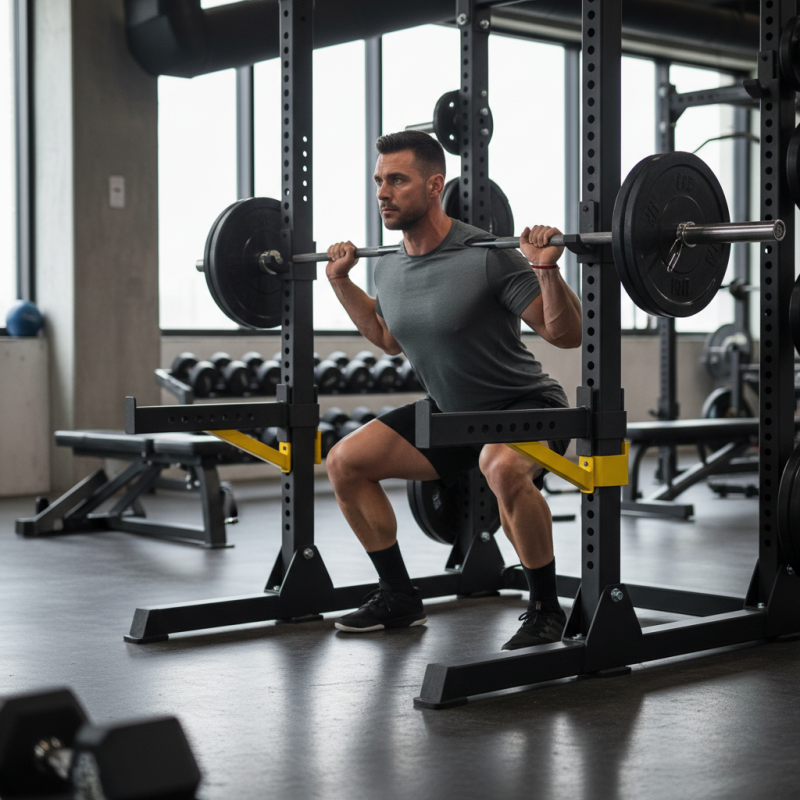
How to Properly Use Spotter Arms on a Squat Rack?

Understanding Spotter Arms and Their Purpose

Spotter arms are essential tools for enhancing safety during lifting sessions, especially on a squat rack. They serve as a secondary line of defense against injury, providing an extra layer of protection when you push your limits. When using spotter arms, it’s crucial to understand their purpose: they catch the barbell should you fail a lift, reducing the risk of accidents.

One tip is to adjust spotter arms to the correct height. This allows them to effectively catch the bar at the right moment. If they are too high or too low, they may not serve their purpose. Check the height before each workout session. Ensure they are stable and locked in place, as this adds reliability. Trust the equipment; it should be your ally.

Another important practice is to communicate with your workout partner. If you’re lifting heavy, ensure they are prepared to help if necessary. This partnership not only enhances safety but also builds confidence. Reflect on your current technique. Are you truly engaging with the safety features, or are you overlooking them? Your safety should always come first.

Choosing the Right Spotter Arms for Your Squat Rack

When selecting spotter arms for your squat rack, a few key factors must be considered. Spotter arms can significantly enhance safety by catching the barbell if you fail a lift. According to a survey by the National Strength and Conditioning Association (NSCA), nearly 60% of lifters report feeling more secure when using proper spotting equipment.

Material and construction quality are essential. Look for spotter arms made of heavy-duty steel that can withstand significant weight. Some sources suggest that spotter arms should support at least 200 pounds more than your maximum lift to ensure longevity. Compatibility with your squat rack is also crucial; ensure the arms fit well and don't wobble under pressure.

**Tips**: Always check manufacturer specifications before purchasing. Improperly fitted arms can lead to accidents. It’s worthwhile to read reviews for real user experiences. Additionally, anticipate wear and tear. Spotter arms need regular inspections to ensure they remain effective.

Incorporating these arms into your routine can enhance your lifting sessions. However, don't overlook the need for proper technique and approach. You must assess your lifting limits to avoid injuries. Investing in the right spotter arms pays off in safety and confidence.

How to Properly Use Spotter Arms on a Squat Rack? - Choosing the Right Spotter Arms for Your Squat Rack

Spotter Arm Type Length Material Max Weight Capacity Adjustment Mechanism
Short Spotter Arms 12 inches Steel 400 lbs Pin and Lock
Medium Spotter Arms 20 inches Heavy-Duty Steel 600 lbs Quick Release
Long Spotter Arms 30 inches Reinforced Steel 800 lbs Adjustable Height
Dumbbell Spotter Arms 15 inches Carbon Steel 300 lbs Locking Pins

Proper Installation and Adjustment of Spotter Arms

Proper installation and adjustment of spotter arms on a squat rack is essential for safe workouts. According to a report by the National Strength and Conditioning Association, improper setup can lead to injuries. Ensuring spotter arms are secure can reduce this risk significantly.

When adjusting spotter arms, ensure they are at the correct height. A general guideline is to set them just below the lowest point of your squat. This setup allows for effective protection without interfering with your movement. Make adjustments gradually, testing the fit with lighter weights first. Even slight misalignments can alter your performance and safety.

Regularly inspect the spotter arms for any signs of wear. The American College of Sports Medicine emphasizes the importance of routine equipment maintenance. Rust, tears, or any damage can compromise safety. Reflect on your adjustments and ensure they meet your personal needs. Continuous evaluation is key to improving your training regimen and maintaining safety.

Techniques for Safe and Effective Usage of Spotter Arms

Using spotter arms on a squat rack can enhance safety and improve lifting performance. Spotter arms, designed to catch failing lifts, offer key support during heavy squats. According to a 2021 survey by the National Strength and Conditioning Association, about 65% of weightlifters have experienced a safety incident due to improper lifting techniques. This highlights the importance of mastering proper usage of spotter arms.

When setting up the spotter arms, ensure they align with your squat depth. They should be set slightly below your lowest squat position. This prevents unnecessary impact. If the arms are too high, they won't provide adequate support. Remember, they aren't a replacement for a human spotter, primarily designed for safety. Maintaining a strict form is crucial, as studies show that 70% of serious injuries occur from inadequate spotter usage.

Effective communication is vital when using spotter arms. Make sure you are clear about your lifting intentions. A recent study indicated that misunderstandings often lead to misuse. Always check that the arms are secure and can handle your intended weight. Frequent checks can help reduce potential issues. Train yourself to respect the limits of the equipment. Proper usage is about knowing when to set boundaries as much as it is about pushing limits.

Usage of Spotter Arms on a Squat Rack

This bar chart illustrates the distribution of proper and improper usage of spotter arms on squat racks among lifters. Proper usage is crucial for safety and effectiveness during workouts.

Common Mistakes to Avoid When Using Spotter Arms

Using spotter arms on a squat rack can enhance safety during workouts. However, many lifters make common mistakes. Understanding these errors is crucial for improving your gym experience.

One frequent mistake is setting the arms too high or too low. This can lead to insufficient support during a lift. If the arms are too high, the bar may fall beyond your reach. Conversely, if they are too low, you might not receive the necessary assistance at crucial moments. Adjusting the arms based on your height and lifting style is essential.

Another common error is not checking the stability of the arms. Loose or improperly mounted spotter arms can lead to accidents. Always ensure that they are securely fastened before starting your set. Additionally, many lifters forget to practice lifting with the arms. This can hinder your workout, making you less familiar with how they will react under pressure.

Understanding these aspects will help you stay safe while making the most of your squat sessions.

FAQS

: Why are spotter arms important for squat racks?

: Spotter arms enhance safety by catching the barbell during failed lifts. They help you lift with confidence.

What material should spotter arms be made of?

Look for heavy-duty steel. It should withstand significant weight and support at least 200 pounds over your maximum lift.

How do I ensure spotter arms fit my squat rack?

Check compatibility with your squat rack model. They should fit securely without wobbling under pressure.

How often should I inspect spotter arms?

Regular inspections are crucial. Look for signs of wear, such as rust or tears, that could impact safety.

What height should spotter arms be adjusted to?

Set them just below the lowest point of your squat. This protects without hindering your movement.

How should I test spotter arm adjustments?

Make adjustments gradually. Use lighter weights first to ensure they fit correctly and maintain your safety.

Can I ignore maintenance on spotter arms?

No, neglecting maintenance can lead to accidents. Continuous evaluation of equipment is vital for effective training.

What happens if spotter arms are improperly fitted?

Improper fittings can cause accidents. Always check manufacturer specifications before use for safety.

How does using spotter arms improve my routine?

They enhance safety and confidence, allowing you to push limits while focusing on technique and training.

Should I reflect on my equipment choices?

Yes, reflecting on equipment choices helps improve your training regimen. Consider your personal needs for effective workouts.

Conclusion

Using spotter arms on a squat rack is essential for ensuring safety and maximizing the benefits of your workout. To understand how to use spotter arms on a squat rack, you must first familiarize yourself with their purpose, which is to catch the barbell in case of a lift failure. Selecting the appropriate spotter arms for your specific squat rack model is crucial, as this ensures stability and reliability during heavy lifts.

Once the right spotter arms are chosen, proper installation and adjustment are necessary to secure them at the correct height. It’s also important to adopt safe techniques while lifting and to avoid common mistakes, such as not using the arms at all or setting them too low. By understanding these fundamentals, you can effectively incorporate spotter arms into your training routine for a safer lifting experience.

Isabella

Isabella

Isabella is a dedicated marketing professional with a sharp focus on driving brand growth and engagement through strategic content creation. With an extensive background in digital marketing, she combines her passion for storytelling with her keen understanding of industry trends to deliver......