Squeaky pull-up bars can disrupt your workout, causing irritation and distraction. Many enthusiasts face this issue, yet few know how to stop a pull-up bar from squeaking effectively. This common problem often stems from friction between metal parts or a lack of proper lubrication.
Addressing this issue requires a bit of experience and knowledge. Simple steps can restore peace to your exercise routine. For instance, consider using silicone spray or lubricants specifically designed for fitness equipment. It's crucial, however, to stay diligent in maintenance to prevent squeaks from returning. Reflect on your equipment's upkeep; can you improve it?
Ultimately, achieving silence is a blend of practical action and attention to detail. Embracing this process may require trial and error, but it’s essential for an uninterrupted workout.
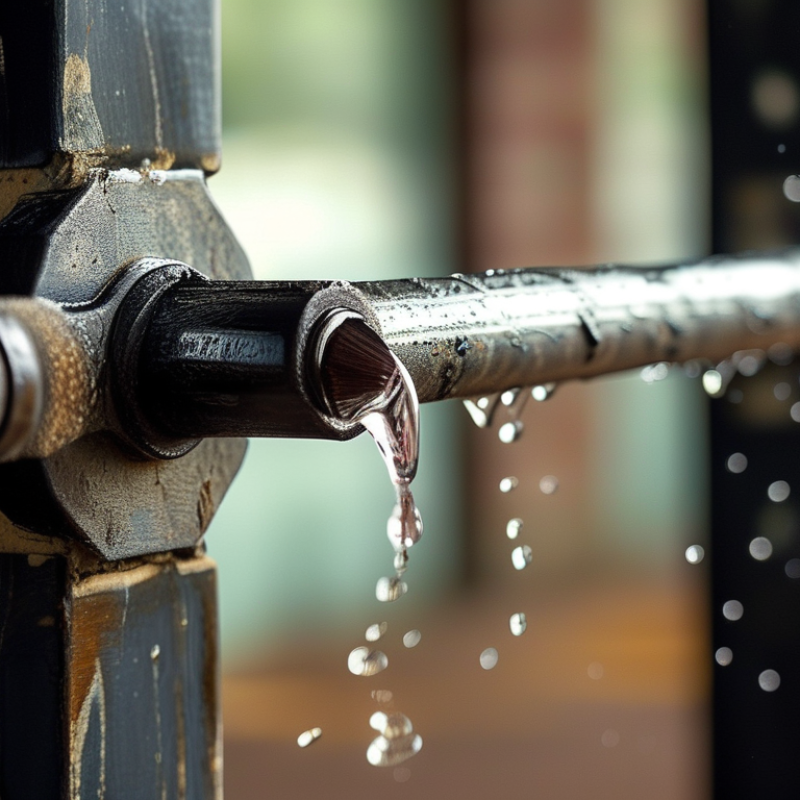
Squeaking in pull-up bars can be frustrating. It's essential to identify common causes to resolve the issue effectively. One primary reason for squeaking is rust or grime accumulation. When moisture mixes with dirt, it creates a sticky residue that can hinder smooth movement. Regular maintenance can help counteract this problem. Clean the bar frequently using a cloth and mild cleaner.
Another cause stems from loose components. If bolts or screws become loose over time, they can lead to squeaking noises during workouts. Checking these parts regularly ensures stability and reduces noise. Tightening any loose hardware is a simple yet vital task.
Lack of lubrication is also a significant factor. The joints and fittings need proper lubrication for smooth operation. Applying a silicone-based lubricant can minimize friction. However, over-lubrication can attract more dirt, leading to further issues. It's a balance that requires attention. Inconsistent care might prevent you from recognizing when your bar needs help. Reflecting on your routine maintenance can lead to a quieter workout experience.
Maintaining a squeak-free pull-up bar requires essential tools. Regular maintenance can extend the life of your equipment. Studies show that squeaking can indicate wear and tear. This can lead to safety issues, especially during workouts.
Essential tools include lubricants specifically designed for metal. A silicone-based spray is highly recommended. It's effective in reducing friction and preventing rust. Additionally, you will need a clean cloth to wipe down surfaces after applying lubricant. This helps prevent dirt accumulation. A socket wrench can be useful for tightening loose bolts. Often, loose hardware is a primary cause of noise.
Routine inspection is crucial. Make it a habit to check for cracks or weak joints. Research suggests that most equipment failures occur due to neglect. If a consistent squeak remains, it may indicate a deeper issue. It’s essential to address these problems promptly. Overlooking minor noises can lead to costly repairs later on. A simple squeak shouldn't be dismissed. It might be your bar signaling that it needs attention.
| Tool | Purpose | Recommended Frequency | Notes |
|---|---|---|---|
| Lubricant | Reduces friction in joints | Every 1-3 months | Use silicone or lithium grease |
| Wrench | Tightens loose attachments | Monthly inspection | Check all bolts and screws |
| Clean Cloth | Wipes away dust and debris | Every week | Prevent buildup that causes squeaks |
| Screwdriver | Adjusts and secures screws | As needed | Ensure all fittings are tight |
| Protective Gear | Safety during maintenance | Every maintenance session | Gloves and goggles recommended |
When your pull-up bar squeaks, it can be quite distracting. Lubrication is often the key to resolving this issue. A simple step-by-step process can greatly improve the performance of your bar.
Start by gathering your materials. You will need lubricant, a clean cloth, and a wrench. Ensure you choose a suitable lubricant that doesn't attract dirt. This is crucial in maintaining the bar's functionality. Next, remove any parts that squeak. Slowly wipe them clean. It helps in identifying problem areas. Apply the lubricant directly where friction occurs. Remember to apply it sparingly. Excess lubricant can lead to build-up and further issues.
After lubrication, let the bar sit for a few minutes. This allows the lubricant to penetrate deeply. Test the bar by performing a few pull-ups. Listen carefully. If the squeaks persist, you might not have applied enough lubricant. It can take a few attempts to find the right amount. Reflect on this process. Each bar is different, and what works for one might not work for another. Be patient, and don't rush the steps for the best results.
Squeaking pull-up bars can be more than just annoying. They can disrupt your workout flow. To prevent future squeaking, regular maintenance is critical. Start by inspecting all the joints and screws. Loose screws often cause unnecessary noise. Tighten any that seem weak, but don’t overdo it; this could lead to damage.
Lubrication is your ally. Apply a suitable lubricant to the moving parts of your bar. Remember, less is more here. Too much lubricant can attract dirt, creating even more problems. A cloth can help wipe away excess. It’s important to also consider the environment where your pull-up bar is set up. High humidity or sudden temperature changes can affect integrity.
Pay attention to the wear and tear over time. If the bar is often used, it may require more frequent checks. Listen for unusual sounds that indicate deeper issues. Reflect on your usage habits. Are you putting too much weight on the bar? Identifying these patterns can guide your maintenance routine.
Squeaking noises from your pull-up bar can be annoying. It is often a sign of wear or misalignment. Many times, lubrication can solve the problem quickly. However, if the noise persists after trying these simple fixes, it might be time to consider professional help.
Persistent squeaking may indicate underlying issues. This could mean that bolts are loose or the bar is misaligning. A professional can assess the situation more accurately. They possess the right tools and expertise for deeper inspections. Ignoring these sounds can lead to more significant problems. An expert's eye can ensure everything is functioning properly.
It's okay to feel unsure about tackling this on your own. Not everyone is comfortable with DIY repairs. Sometimes, seeking help shows strength. If the pull-up bar continues to squeak, listen to your instincts. Your safety is paramount, and an expert can provide peace of mind.
: Squeaking often results from rust, grime accumulation, and loose components on the bar.
Regularly clean the bar with a cloth and mild cleaner to prevent issues related to dirt and moisture.
Lubrication reduces friction in joints and fittings, allowing for smoother movement during workouts.
Use a silicone-based lubricant that doesn't attract dirt for best results in maintaining your bar.
Apply the lubricant sparingly directly on squeaky parts after cleaning, and let it penetrate for a few minutes.
If squeaking continues after lubrication, it may indicate deeper issues requiring professional assessment.
Yes, inconsistent care may prevent you from noticing when your bar needs attention for better performance.
Test the bar again; if squeaks persist, you might need more lubricant or to investigate further issues.
It can be challenging for some. Seeking help shows strength and ensures safety if you feel unsure.
Apply lubricant carefully and in small amounts to prevent build-up and additional dirt attraction.
To address the question "How to stop a pull up bar from squeaking?", it is important to first identify the common causes of the problem, such as friction from metal-on-metal contact or worn-out components. Essential tools for maintenance include lubricant and cleaning materials, which aid in preventing further issues.
The repair process involves a step-by-step guide to properly lubricate the pull up bar, ensuring smooth operation. Additionally, implementing preventive measures can help maintain its condition and reduce the likelihood of squeaking over time. However, if squeaking persists despite these efforts, it may be necessary to seek professional assistance to avoid potential safety hazards. By following these guidelines, you can effectively manage and eliminate the squeaking issue in your pull up bar.

GoLive Fitness