Building a home gym on a budget is more attainable than many think. Recent studies show that 58% of Americans prefer working out at home to save money and time. A budget-friendly home gym can offer the same fitness benefits as a high-end gym. Yet, many people feel overwhelmed by the choices and costs associated with creating one.
When considering how to build a home gym on a budget, it's crucial to prioritize necessities over luxuries. High-quality, versatile equipment can provide more value and longer usage. According to the American Council on Exercise, even minimal investment in basic equipment can yield significant health benefits. Focusing on a few essential items, like free weights and resistance bands, can establish an effective workout space without breaking the bank.
However, challenges will arise. It’s easy to be tempted by flashy equipment or workout trends. Reflecting on your actual fitness needs can help avoid unnecessary purchases. Building a budget gym also requires commitment and space management. By addressing these considerations, you can design a home gym tailored to your financial situation and fitness goals.
Choosing the Right Space for Your Home Gym Setup
Choosing the right space for your home gym is crucial for creating an effective workout environment. You don't need a massive room; even a small corner can work. Think about natural light, ventilation, and easy access to your equipment. A dedicated space can help you stay motivated.
Tip: Ensure your chosen area is free from distractions. This could mean relocating items that clutter your space. You might need to rearrange furniture or clear a storage area. An organized space fosters focus and dedication.
Consider flooring as well. It can impact your workouts. Soft flooring is ideal for exercises like yoga, while sturdy surfaces support weightlifting. Reflect on what activities you’ll prioritize. An area that is adaptable for multiple uses can save you space and money.
Lighting is another key factor. Bright lights can energize you, while softer lighting can create a calming atmosphere for yoga or stretching. However, inadequate lighting can lead to accidents. Assess your current setup and think about adjustments you can make to enhance both safety and motivation.
Essential Equipment for a Budget Home Gym
Creating a budget home gym can be both fun and effective if you focus on essential equipment. Start with a good set of dumbbells. They are versatile and can be used for various exercises, from strength training to cardio routines. Look for adjustable options to save space and money. Resistance bands are another low-cost choice. They occupy little space and can be used for strength training and rehabilitation exercises.
A sturdy yoga mat is vital too. It provides cushion for your workouts and can be used for stretching, yoga, or core workouts. Consider incorporating a stability ball for balance exercises. It's affordable and enhances your core strength. Don't forget a jump rope; it's great for cardio and takes up barely any space.
When planning your budget, think realistically about what you'll use. Picking equipment that suits your workout style is key. You might find that simple tools like a pull-up bar or a medicine ball can tremendously enhance your routines. Don’t overlook the importance of safety and space. Choose equipment that not only fits your budget but also your living area.
Smart Storage Solutions to Maximize Workout Space
Creating your own home gym can be incredibly rewarding. However, maximizing your workout space is essential. Smart storage solutions play a crucial role in keeping your gym organized and functional.
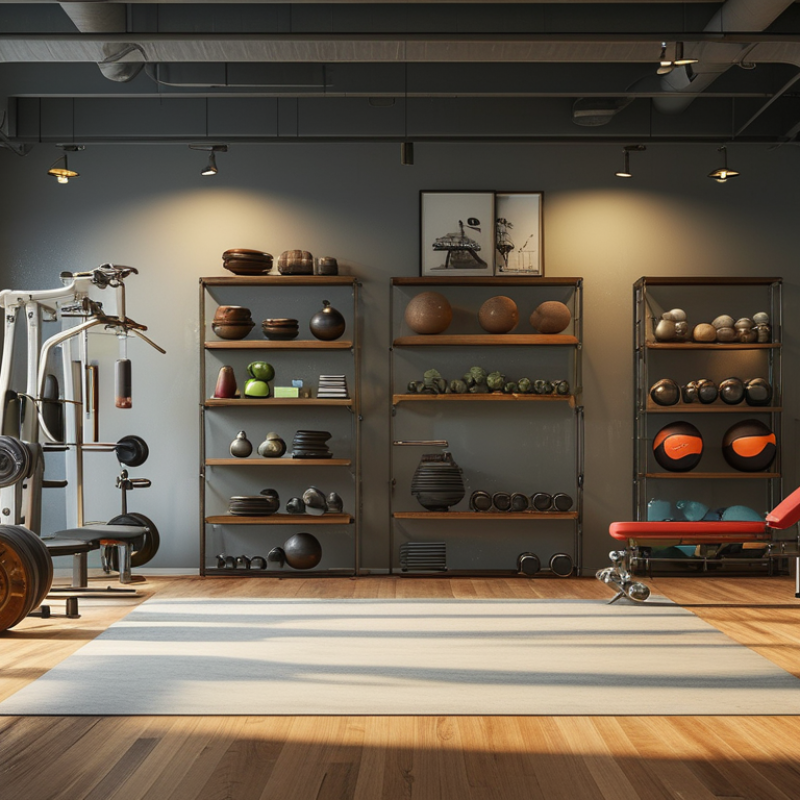
Wall-mounted shelves are a great option. They keep smaller equipment off the floor while maintaining easy access. Consider using hooks for resistance bands and jump ropes to free up floor space. A pegboard can also provide custom storage that adapts as your needs change. It allows for the display of various accessories without sacrificing style.
Foldable equipment can save space when not in use. Think about using a collapsible bench or a compact squat rack. You can store these items away easily, optimizing your area. Additionally, small storage bins can keep smaller items organized. Labeling these bins will help you find equipment quickly. Remember, an organized space not only enhances functionality but can also motivate you to work out more consistently.
Creating a Motivating Environment for Exercise at Home
Creating a motivating environment at home is essential for consistent exercise. Start by choosing a dedicated space where you feel comfortable. Natural light can boost your mood, so consider a room with windows. If possible, decorate with vibrant colors or inspirational quotes. This creates an energetic atmosphere that encourages you to work out.
Personalize your home gym with items meaningful to you. Photos from past achievements can remind you of your goals. Add plants for a touch of nature and freshness. However, ensure the space is not cluttered. A clean environment promotes focus. Sometimes, you may feel unmotivated despite the setup. Reflect on why you started your fitness journey. Adjust your space as needed to keep it inspiring.
Ultimately, the atmosphere you create should be enjoyable and motivating. It’s okay if it doesn’t look perfect. Focus on functionality over aesthetics. Include music that energizes you during workouts. Your home gym should be a reflection of your personal journey toward health and wellness.
China Top 10 Tips for Building a Budget Home Gym
Establishing an Effective Workout Routine on a Budget
Creating an effective workout routine on a budget can be a rewarding challenge. Start by identifying your fitness goals. Do you want to build strength, improve endurance, or enhance flexibility? Once you have clear goals, plan workouts around them. This focus helps maintain motivation and ensures you're not wasting time.
Incorporate bodyweight exercises into your routine. Push-ups, squats, and planks require no equipment and are highly effective. They're suitable for all fitness levels, making them a versatile choice. Remember to adjust difficulty by modifying your technique. If you're unsure, watching online tutorials can provide guidance.
Another tip is to schedule workouts like appointments. Write them in your calendar to stay accountable. Consistency is key, even if it's just 20 minutes a day. As you progress, reflect on your routines. Are they still enjoyable? If not, change them up. Keeping your workouts fresh can sustain your interest over time. Embrace the journey and find what works best for you.
China Top 10 Tips for Building a Budget Home Gym - Establishing an Effective Workout Routine on a Budget
| Tip |
Description |
Estimated Cost (CNY) |
Equipment Needed |
| 1. Set a Budget |
Determine how much you can spend on your home gym setup. |
500 |
N/A |
| 2. Choose a Space |
Select a suitable area in your home for workouts. |
0 |
N/A |
| 3. Prioritize Versatile Equipment |
Invest in equipment that allows multiple exercises. |
1500 |
Resistance bands, dumbbells |
| 4. Use Bodyweight Exercises |
Incorporate exercises that use your own body weight. |
0 |
N/A |
| 5. Find Free Online Resources |
Utilize videos and workout plans available online. |
0 |
N/A |
| 6. Track Your Progress |
Keep a log of workouts to monitor improvements. |
0 |
Notebook or app |
| 7. Schedule Workouts |
Set specific days and times for your workouts. |
0 |
N/A |
| 8. Stay Motivated |
Find a workout buddy or support group. |
0 |
N/A |
| 9. Use Multi-functional Equipment |
Look for equipment that can serve multiple purposes. |
800 |
Adjustable weights, kettlebell |
| 10. Regularly Review and Adjust |
Evaluate your routine and make necessary adjustments. |
0 |
N/A |
Conclusion
Building a home gym on a budget can be an exciting and rewarding project that enhances your fitness journey without breaking the bank. To start, it's essential to choose the right space in your home that is conducive to exercise. This could be a spare room, garage, or even a corner of your living area. Next, focus on acquiring essential equipment that fits your budget—think versatile items that can serve multiple functions.
Additionally, smart storage solutions are crucial for maximizing your workout area, helping to keep the space organized and uncluttered. Creating a motivating environment is also vital; consider adding personal touches that inspire you to work out regularly. Finally, establish an effective workout routine that fits your financial constraints, utilizing free online resources or community classes. By following these tips, you'll discover how to build a home gym on a budget that suits your fitness needs and lifestyle.

 GoLive Fitness