How Often Should I Train with a Heavy Bag for Best Results?

Time:2026-06-07 Author:Liam
0%

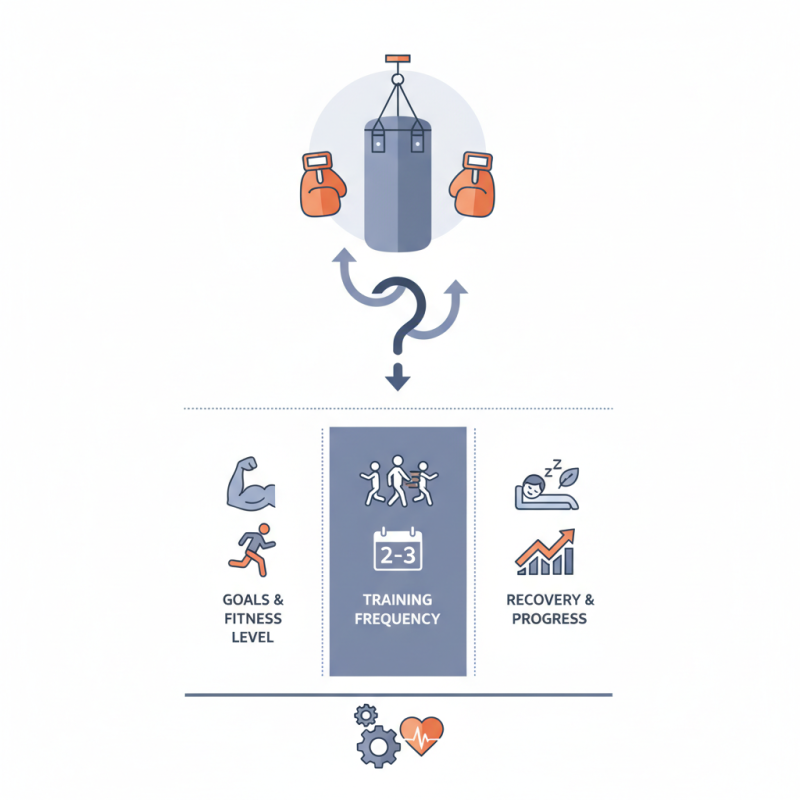
When considering the question, "How often should I train with a heavy bag?" it's crucial to acknowledge that the answer can vary based on individual goals and fitness levels. A heavy bag can be an effective tool for building strength, improving technique, and enhancing cardiovascular fitness. However, inconsistencies in training frequency may lead to suboptimal results.

To maximize benefits, evaluate your current fitness routine and recovery abilities. Some find success training with a heavy bag two to three times a week. This allows for adequate recovery and adaptation, essential for growth. Others may need to adjust this based on their experience and physical condition.

Remember, track your progress and listen to your body. Overtraining can lead to fatigue and injury. Everyone's journey is unique, and being aware of your limits is vital. The key to effective training lies in finding a balance that works for you. Embrace the process, and reflect on your training habits to achieve the best results.
How Often Should I Train with a Heavy Bag for Best Results?

Benefits of Heavy Bag Training for Fitness and Skill Development

Heavy bag training is a dynamic way to enhance both fitness and skill development. Many athletes and fitness enthusiasts choose this method for a range of benefits. It builds strength, stamina, and coordination. With regular practice, you can boost your cardiovascular health. Hitting a heavy bag also aids in refining striking techniques, making your punches sharper and more effective.

Incorporating heavy bag workouts into your routine encourages stress relief. The act of striking can be cathartic, helping to release built-up tension. However, it's important to recognize the risk of overtraining. While the bag offers great resistance, improper form or excessive force can lead to injuries. Listening to your body is essential. Stretching and recovery time should not be overlooked. There’s a balance to be struck for optimal results.

Heavy bag training is not just about power; it also enhances agility and footwork. You can experiment with various combinations and movements that simulate real fight scenarios. Yet, it's vital to periodically assess your technique. Film your training sessions to identify areas needing improvement. This reflective approach will help you progress consistently. Embrace the process, enjoy the challenge, and you will see significant gains over time.

Frequency Recommendations for Heavy Bag Workouts Based on Goals

When training with a heavy bag, frequency is key. For beginners, aiming for two sessions a week is a great start. This amount allows your body to adapt. You’ll build endurance and improve your techniques over time. As you grow more comfortable, consider increasing your sessions to three or four per week.

For those focused on weight loss or building muscle, more frequent training may be beneficial. Five to six sessions a week can ignite metabolic rates. However, this intensity requires careful consideration of recovery. Overtraining can lead to injuries or burnout. Listening to your body is essential.

Balancing heavy bag workouts with rest days influences progress. Don't be afraid to dial back if needed. Achieving results isn’t merely about frequency. Quality of training matters vastly. Engage in each session with intent. Reflect on your movements and adjust accordingly. This approach enhances both your routine and overall performance.

How Often Should I Train with a Heavy Bag for Best Results?

This chart illustrates the recommended training frequency for heavy bag workouts based on different experience levels. Beginners are advised to train 1-3 times a week, intermediates 3-5 times, and advanced practitioners 5-6 times for optimal results.

Best Practices for Structuring Heavy Bag Training Sessions

Heavy bag training is a powerful way to enhance your boxing skills. To achieve the best results, structure your sessions with intention. Start with a warm-up, including dynamically stretching and light shadow boxing. This prepares your body and reduces the risk of injury. A focused warm-up is essential for maximizing performance.

During each session, aim for intervals. Five minutes of intense work followed by one minute of rest works well. Focus on technique and power in your punches. Ensure you vary your combinations to challenge yourself. For example, mix jabs, crosses, and hooks in different sequences. It keeps the workout engaging and helps improve your strategy.

Don’t forget to assess your progress. Reflect on your understanding of footwork and distance management. Noticing patterns in your performance can guide future sessions. If you struggle with certain strikes or combinations, dedicate time to that area. Training effectively requires acknowledging your weaknesses and working on them. Consistent evaluation will foster improvement and confidence in your skills.

Common Mistakes to Avoid When Training with a Heavy Bag

When training with a heavy bag, many people overlook common mistakes that can hinder progress. One major issue is improper technique. It's easy to throw punches without focusing on form. Bad habits develop quickly. Poor stance and alignment can lead to injury. Spend time mastering correct form before increasing intensity.

Another mistake is neglecting to warm up. Jumping straight into heavy bag work can cause strains. A proper warm-up prepares muscles and joints. Simple dynamic stretches or shadowboxing can make a difference. Many forget this step, thinking they are ready.

Finally, inconsistency in training frequency can be harmful. Training too infrequently leads to stagnation. Make a schedule and stick to it. However, don’t train every day without rest. Overworking your body can lead to burnout and injury. Listen to your body; it knows best. Balancing training and recovery is essential for long-term success.

How Often Should I Train with a Heavy Bag for Best Results? - Common Mistakes to Avoid When Training with a Heavy Bag

Training Frequency Recommended Duration Common Mistakes Tips to Improve
2-3 times a week 30-60 minutes Not using proper form Focus on technique first
4-5 times a week 45-60 minutes Overtraining without rest Incorporate rest days
1 time a week 20-30 minutes Insufficient intensity Increase intensity gradually
3-4 times a week 60 minutes Neglecting other muscle groups Combine with strength training

Incorporating Recovery and Rest Days into Your Heavy Bag Routine

Incorporating recovery and rest days into your heavy bag routine is crucial for optimal performance. Many enthusiasts overlook the importance of these breaks. Training hard every day can lead to fatigue and increased risk of injury. Your muscles need time to recover, rebuild, and strengthen.

Tips: Schedule at least one or two rest days each week. Listen to your body. If you feel sore or fatigued, consider taking an extra day off. Engaging in light activities, like walking or stretching, can aid your recovery. This balance helps maintain motivation and prevents burnout.

Pay attention to your training intensity. Mixing high-intensity sessions with lighter, technique-focused workouts can improve your skills. You might want to experiment with different training frequencies. Some find success training three days a week, while others manage five days. Finding your rhythm is key. Analyze what works and what doesn’t. Adjusting your routine based on your body’s feedback can enhance your overall results.

FAQS

: How often should beginners train with a heavy bag?

: Beginners should aim for two sessions a week. This frequency helps the body adapt gradually.

What can more sessions do for weight loss?

For weight loss, five to six sessions a week can boost metabolism. However, be cautious about recovery.

How important are rest days in a training routine?

Rest days are crucial. They allow muscles to recover and prevent injury. Don't skip them.

What structure should I follow in a heavy bag session?

Start with a warm-up, followed by intervals of intense work and rest. This maximizes performance.

How can I make my training more engaging?

Vary your punch combinations during workouts. Mixing jabs, crosses, and hooks keeps things interesting.

Is reflecting on my performance important?

Yes, assessing your performance helps identify weaknesses. Dedicate time to improve those areas for growth.

Should I train through soreness?

It's best to listen to your body. If you're sore, consider resting or doing light activities.

How can I balance intense and lighter workout days?

Mix high-intensity sessions with lighter, technique-focused ones. This approach enhances overall skills and recovery.

What if I feel overwhelmed by training frequency?

It's okay to dial back. Training quality matters more than sheer frequency. Reflect and adjust your routine.

How can I find my optimal training frequency?

Experiment with different training days. Pay attention to how your body feels and adjust accordingly.

Conclusion

In addressing the question, "How often should I train with a heavy bag?", it's essential to consider your fitness goals and experience level. Heavy bag training offers numerous benefits, including improved cardiovascular fitness, enhanced striking skills, and increased strength. For optimal results, frequency recommendations suggest varying sessions depending on whether you're aiming for fitness, skill development, or a combination of both.

To maximize effectiveness, it's crucial to structure your training sessions thoughtfully, incorporating a mix of techniques and intensity. Additionally, avoiding common mistakes—such as neglecting form or overtraining—is vital. Lastly, recovery and rest days should not be overlooked, as they play a key role in allowing your body to heal and adapt, ensuring steady progress in your heavy bag training routine.

Liam

Liam

Liam is a dedicated marketing professional with a profound expertise in the industry, where he excels at highlighting the unique advantages of our core products. With a keen understanding of market trends and consumer needs, Liam frequently updates our company’s professional blog, providing......