Boxing is an intense sport that demands physical strength and mental focus. However, many boxers often find themselves asking, "Why do my hands hurt after boxing?" This pain can stem from various causes, revealing important insights into the sport's physical demands. Understanding the reasons behind this discomfort is crucial for anyone serious about boxing.
The hands are intricate structures filled with bones and ligaments. When engaging in boxing, the hands undergo stress through punches and impact with bags or gloves. Improper technique or inadequate equipment can amplify this pain. Learning about these factors is essential to improve performance and prevent injury.
By exploring the top causes of hand pain in boxing, participants can make informed decisions. This awareness leads to safer practices and better training outcomes. Reflecting on personal experiences in the ring can provide insight. Pain is not just a sign of exertion; it also serves as a warning that something may be wrong. Understanding the nuances of this discomfort not only aids recovery but also enhances the overall boxing experience.
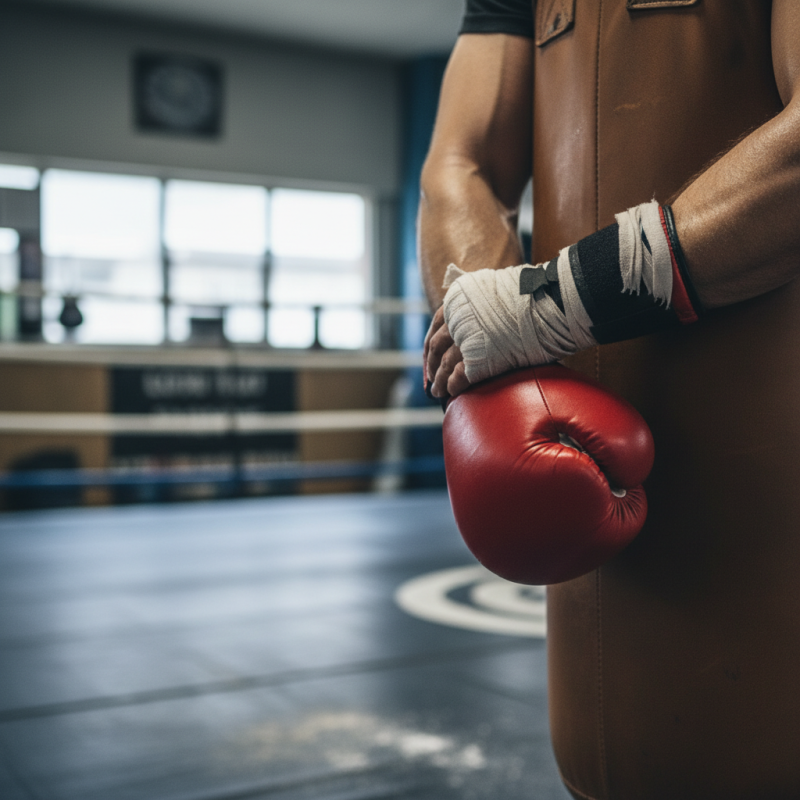
Understanding the anatomy of the hand is crucial for any boxer. The hand consists of bones, tendons, ligaments, and muscles, all working together. Each punch relies heavily on this intricate structure. The metacarpals and phalanges are crucial. They absorb impact during a fist strike, which can lead to pain if not properly conditioned.
Boxing can subject your hands to stress. Over time, this might cause strain or injury. The small bones can be especially vulnerable. Many boxers experience discomfort after intense training sessions. Sometimes, it’s a case of poor technique, leading to an uneven distribution of force during punches. This misalignment can lead to strain in the wrist and fingers.
Inadequate hand protection may also contribute. Wrapping hands properly before training is essential. However, even with the right gear, beginners might not realize how much force they are generating. Reflecting on training habits may help in preventing injury. Understanding how your hands respond during practice is vital. Awareness can lead to better practices and ultimately protect your hands in the ring.
This bar chart illustrates the top 10 reported causes of hand pain experienced by boxers. Understanding these factors can help in preventing injuries and improving overall performance in the sport.
Boxing is an intense sport, and hand injuries are common. Many boxers experience pain due to various reasons. One major issue is improper technique when punching. Hitting with the wrong part of the fist can strain tendons and ligaments. This mistake often leads to discomfort after training or fights.
Another frequent injury is a sprain. This occurs when the ligaments in the hand are overstretched. Boxers often feel this pain when they land punches at awkward angles. Additionally, fractures are serious injuries that can happen, especially to the metacarpals. A sharp, sudden pain usually indicates a fracture. Boxers may not realize the severity of their injury until symptoms worsen.
Lastly, inflammation can occur from repetitive strain. Over time, the cumulative impact can lead to tendinitis. This condition makes movements stiff and painful. It's crucial for boxers to recognize these signs early. Ignoring them can lead to long recovery times or more severe injuries down the line. Taking care of hands is essential for anyone serious about the sport. Regular check-ups with a coach or a specialist can help monitor the health of one's hands.
Boxing can be a challenging yet rewarding sport. However, improper technique often leads to hand pain. Many boxers make common mistakes that can cause strain. Failing to align your punches can result in unnecessary stress on your hands. For instance, hitting with the palm instead of the knuckles is a frequent error. This may feel comfortable in the moment, but it can lead to injury over time.
Another aspect is wrist positioning. If your wrists are not straight during punches, they absorb shock poorly. This can lead to pain not just in your hands, but also in your wrists and forearms. Additionally, neglecting warm-up routines can exacerbate these issues. Many fighters skip these vital steps, thinking they can just "tough it out." This mindset can create long-term problems.
Proper hand wrapping is equally important. Wrapping hands incorrectly can compromise support during striking. Taking shortcuts here might save time but can lead to pain. Many boxers overlook the need for quality training in technique. Regularly working with a coach can help identify flaws. Addressing these small details can prevent significant pain down the line. A proactive approach ensures a longer, healthier boxing journey.
Proper hand protection is crucial in boxing. Studies show that about 70% of boxers experience hand injuries. These injuries often stem from improper techniques, lack of protective gear, or inadequate training. The hands are complex structures, with 27 bones and numerous joints. They require enough support and cushioning to absorb the impact of punches.
Using hand wraps is essential. They provide support to the wrist and stabilize the knuckles. According to the American Journal of Sports Medicine, boxers who wear hand wraps reduce the risk of fractures by nearly 50%. Gloves also play a pivotal role in injury prevention. They add a layer of padding that absorbs shock. Quality gloves are designed to protect both the boxer and their opponent.
Boxing without proper gear leaves fighters vulnerable. It is common for beginners to underestimate this need, leading to pain and injury. Reflecting on training habits is necessary. Rushing into sparring sessions without the right protection can result in chronic pain. Understanding the importance of hand wraps and gloves can lead to safer boxing experiences. Prioritizing these essentials is vital for longevity in the sport.
Hand pain is common among boxers. It can stem from various issues, including improper technique or inadequate hand protection. After an intense boxing session, you may experience discomfort. Sometimes, this pain can signal a more serious problem. Understanding when to seek medical attention is crucial.
If your hand pain lasts more than a few days, it might be time for a doctor’s visit. Persistent swelling, bruising, or inability to move fingers should not be ignored. A 2020 report from the American Academy of Orthopaedic Surgeons highlights that untreated injuries can lead to long-term problems. A prompt diagnosis is essential for recovery.
After boxing, consider these tips for hand health. Always use proper wrapping techniques to protect your wrists and knuckles. Gradually increase your training intensity to help your hands acclimate. If you notice sharp pain, stop and assess the situation. Pain is a signal from your body. Ignoring it can lead to injuries like fractures or tendonitis.
| Cause | Description | Symptoms | When to Seek Medical Attention |
|---|---|---|---|
| Overuse | Frequent and repetitive movement leading to strain. | Aching, fatigue, or numbness in the hands. | If pain persists for more than a few days. |
| Improper Technique | Incorrect form while punching can lead to injuries. | Sharp pain or discomfort when punching. | If you notice swelling or severe pain. |
| Inadequate Warm-Up | Skipping routines to prepare the muscles. | Stiffness or soreness in hands. | If you're experiencing persistent stiffness. |
| Wrist Strain | Caused by excessive force or incorrect posture. | Pain in the wrist area during or after boxing. | If pain is severe or affecting mobility. |
| Injury from Impact | Direct impact with a punch can cause damage. | Bruising or swelling around the knuckles. | If there is a noticeable injury or extreme pain. |
| Poor Equipment | Using insufficient protective gear. | Discomfort or pain while wearing gloves. | If the equipment consistently causes pain. |
| Underlying Conditions | Conditions like arthritis may exacerbate pain. | Chronic pain or joint dysfunction. | Consult a doctor if you have pre-existing conditions. |
| Dehydration | Lack of fluids can lead to muscle cramps. | Weakness and cramping in the hands. | Persistent cramps despite rehydration. |
| Nerve Compression | Pinched nerves can cause pain and numbness. | Numbness or tingling feelings in fingers. | If symptoms persist or worsen over time. |
| Recovery Time | Insufficient recovery can lead to chronic pain. | Persistent soreness after workouts. | If soreness lingers for more than a week. |
: It helps boxers know how their hands work and how to avoid injuries.
Common causes include improper technique, poor alignment, and inadequate hand protection.
Misalignment during punches can lead to strain, causing pain in the hands and wrists.
Incorrect wrist alignment during punches can lead to poor shock absorption and pain.
If pain lasts more than a few days, or if there’s swelling or bruising.
Incorrect wrapping may provide less support, increasing the risk of pain and injury.
Persistent pain, inability to move fingers, or sharp pain require immediate evaluation.
Skipping warm-ups or ignoring discomfort can lead to long-term issues.
It can identify bad practices that may cause injuries and lead to better care of hands.
It helps hands adjust and reduces the risk of injury during more intense sessions.
In addressing the question, "Why do my hands hurt after boxing?", it's essential to first understand the anatomy of the hand and its critical role in boxing. Common injuries such as fractures, sprains, and ligament damage frequently arise due to the high-impact nature of the sport. Improper technique, including incorrect punching forms, can exacerbate these issues, leading to increased pain and discomfort.
Furthermore, the use of appropriate hand wraps and gloves is vital for injury prevention, providing necessary support and cushioning during training and matches. Boxers should be mindful of when to seek medical attention, particularly if experiencing persistent or severe hand pain. By recognizing these factors, boxers can better protect their hands and enhance their performance in the ring.

GoLive Fitness