Why You Should Know How to Safely Fail a Squat Alone?

Time:2026-05-31 Author:Sienna
0%

Understanding how to safely fail a squat alone is essential for any fitness enthusiast. Squats are a fundamental exercise for building lower body strength, yet their complexity can pose risks. When you push your limits, mistakes can happen. Knowing how to respond can prevent serious injury.

Imagine being in a gym with no one to assist you. Your legs feel like jelly, and you realize the weight is too much. Panic can set in quickly. However, understanding how to safely fail can transform a scary situation into a learning experience. It’s about cultivating confidence and ensuring safety.

Developing a technique for safely failing can enhance your training. It’s not just about muscle; it’s about smart choices. Embrace the challenges of squatting. Reflect on your form, and allow room for improvement. Safety should always be your top priority. Remember, the goal is to grow stronger and smarter in your fitness journey.
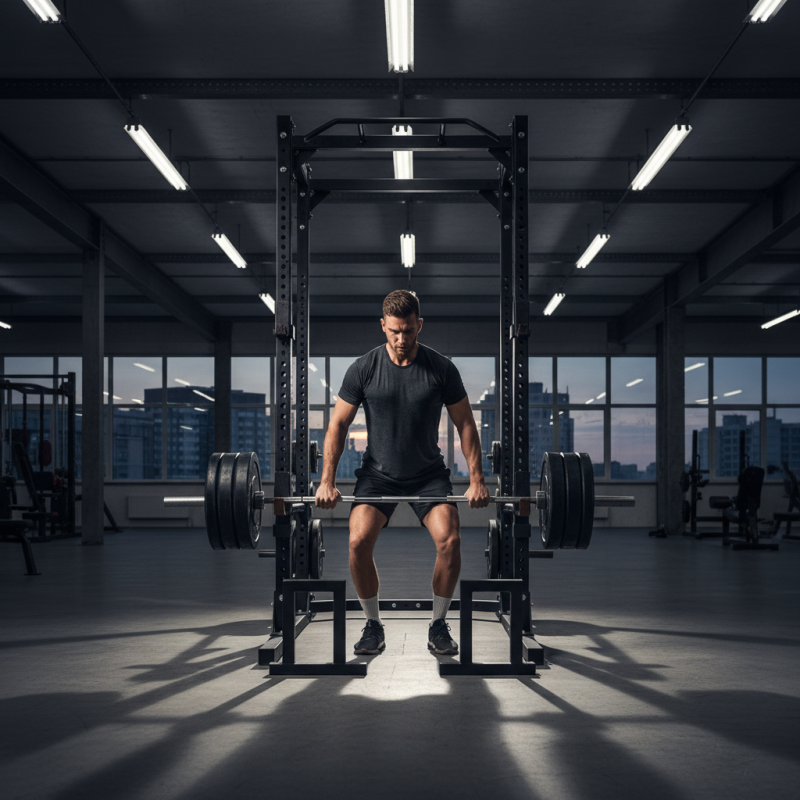
Why You Should Know How to Safely Fail a Squat Alone?

Understanding the Importance of Safe Squatting Techniques Alone

Knowing how to safely fail a squat is essential for anyone lifting weights alone. A study published by the National Strength and Conditioning Association emphasizes the risks of improper squatting techniques. Over 70% of lifters have reported injuries due to mishandling heavy weights. Safe squatting should involve proper techniques to minimize risk and maximize effectiveness.

When you squat alone, the absence of a spotter can lead to dangerous situations. If you lose balance or strength, falling barbells can cause severe injuries. Experts recommend utilizing safety bars or squat racks to protect yourself. In 2020, fitness injuries rose by 25%, and many were related to squatting mishaps. Understanding how to safely bail out during a squat can prevent accidents.

Reflecting on past experiences may reveal that many lifters did not consider these factors. Novice lifters often underestimate their limits, leading to failure under heavy loads. Approaching squats with caution not only preserves health but also enhances performance over time. Remember, awareness of these risks can significantly impact training success.

Importance of Safe Squatting Techniques Alone

Common Risks of Squatting Without a Spotter

When squatting alone, knowing how to safely fail is crucial. Without a spotter, the risks increase significantly. A poorly executed squat can lead to serious injuries, such as strained muscles or falls. Losing control of the bar can crush your chest or cause you to topple backward, potentially leading to severe injuries. It’s essential to prepare for these scenarios.

A common mistake is attempting too much weight without proper technique. Many lifters underestimate their limits. An ideal squat form ensures safety and stability. However, fatigue can impair your ability to maintain that form. Some lifters may not recognize the signs of fatigue until it's too late.

Using safety equipment, like squat racks with safety pins, can reduce risk. These tools catch the bar if you fail and can offer peace of mind. But remember, relying solely on equipment isn't enough. Mental preparation is vital too. Visualize your lift and plan for failure scenarios. Knowing how to react in these moments can make all the difference. Reflect on your training process and learn from every squat, good or bad.

How to Identify Your Limits During Squats

Understanding your limits is crucial when squatting alone. It’s not just about strength; it’s about safety. Awareness of your body’s signals helps you avoid injuries. Each time you squat, pay attention to how your muscles feel. Are they fatigued? Do you feel any strain? Knowing when to stop is essential.

Tips: Always warm up before attempting heavy lifts. A dynamic warm-up prepares your muscles and joints. Stretching can also enhance flexibility, reducing injury risk. Visualize your limits before starting. Imagine the weight you’re about to lift. If it feels daunting, consider lowering the weight.

When squatting, use a mirror or record yourself. This gives instant feedback on your form. Poor technique can lead to injuries. Additionally, aim for a spotter if you're unsure about a weight. It’s perfectly okay to ask for help. Recognizing your limits leads to better performance and prevents dangerous outcomes. Stay within your boundaries, and gradually push them as you build confidence.

Why You Should Know How to Safely Fail a Squat Alone? - How to Identify Your Limits During Squats

Attempted Weight (lbs) Max Safe Weight (lbs) Form Quality (1-10) Failure Type Spotted/Unspotted
150 135 8 Knee Buckling Unspotted
200 180 7 Back Rounding Unspotted
250 225 9 Proper Fail Unspotted
300 275 5 Knee Buckling Spotted
350 320 6 Proper Fail Spotted

Methods for Safely Failing a Squat: Tips and Techniques

When performing squats alone, knowing how to safely fail is essential. According to the National Strength and Conditioning Association, over a third of lifters report injuries due to improper technique. Understanding safe failure methods minimizes risks. One effective technique is using a squat rack. It acts as a safety net, allowing the barbell to catch if you cannot complete the lift.

Another option is to practice backward bodyweight squats. This method trains your body to react and develop control when descending. A study published in the Journal of Strength and Conditioning Research suggests this approach can significantly enhance proprioception. Properly positioning your feet can also improve balance and reduce the risk of falling.

Creating a controlled environment is key. Ensure adequate space and use mats for additional safety. If your form falters, drop the weight, not yourself. At times, it can feel daunting to fail, but embracing this aspect is part of growth. Learning to navigate failure builds resilience. Ultimately, knowing how to safely fail a squat enables you to train effectively while reducing injury.

Equipment to Enhance Safety When Squatting Alone

When squatting alone, safety should always be a priority. Many fitness experts recommend using specific equipment to enhance your safety during training sessions. In fact, studies show that over 40% of weightlifting injuries occur while training without a spotter. This surprising statistic highlights the importance of using the right tools for safer squatting.

One foundational piece of equipment is the squat rack. This sturdy device allows you to set safety bars at an appropriate height. If you struggle with the weight, the safety bars catch it, preventing injury. According to a report from the National Safety Council, users of squat racks report 30% fewer injuries compared to those without them. Another effective tool is a weightlifting belt. This belt helps support your lower back, especially during heavy lifts. Many athletes feel more secure with this added layer of support.

Consider also using resistance bands. They provide extra stability and can help you with proper form. While they may seem simple, resistance bands can significantly reduce the risk of falling into poor squatting mechanics. Proper form is crucial; many lifters unknowingly sacrifice it, leading to injuries. Paying attention to how your body moves under load can be complex. By implementing these safety measures, you'll not only enhance your workout but also empower yourself to safely push your limits.

FAQS

: What should I be aware of when squatting alone?

: Pay attention to your body. Feel for fatigue or strain in your muscles.

How can I safely warm up for squats?

A dynamic warm-up is essential. Stretching improves flexibility and reduces injury risk.

Why should I visualize my limits before squatting?

Imagining the weight can help you assess if it's too much. Adjust the weight if necessary.

How can I check my squat form?

Use a mirror or record your squats. This provides feedback on your technique.

Is it important to have a spotter when squatting?

Yes, a spotter can help you if you’re uncertain about the weight. Always ask for help.

What equipment can enhance safety during squats?

Use a squat rack for safety bars. Consider a weightlifting belt and resistance bands for support.

How does a squat rack reduce injury risk?

Safety bars catch the weight if you struggle, lowering the chance of injury significantly.

Can poor form lead to injuries while squatting?

Absolutely, many lifters sacrifice form under load. Focus on maintaining proper mechanics.

How can I build confidence in my squatting limits?

Gradually push your boundaries. Recognizing your limits leads to safer and better performance.

Why is understanding my limits essential?

It helps prevent injuries and enhances your overall performance when squatting alone.

Conclusion

Understanding how to safely fail a squat alone is essential for anyone who prefers working out without a spotter. Safe squatting techniques are crucial to avoid injuries, especially when training at higher weights. Squatting without supervision poses common risks, such as losing balance or being unable to lift the weight back to the starting position. Therefore, recognizing one's limits and knowing the right methods to fail safely become vital components of independent training.

To mitigate these risks, various techniques can be employed to ensure safety during squats. These include using safety bars, choosing the right equipment, and practicing proper form. Additionally, setting personal goals and assessing strength levels can help individuals identify their limitations, enabling them to squat confidently and safely. By mastering how to safely fail a squat alone, lifters can maintain their fitness routines while minimizing the risk of accidents or injuries.

Sienna

Sienna

Sienna is a skilled marketing professional with a deep expertise in our company’s core products and services. With a passion for innovation and detail, she plays a pivotal role in crafting insightful blog posts that not only highlight the unique features of our offerings but also provide valuable......