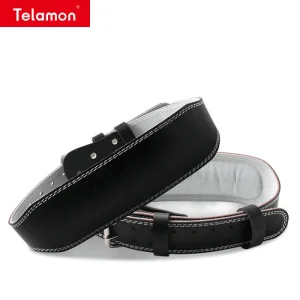
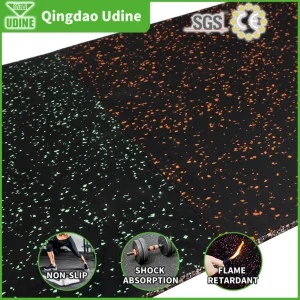
Explore our premium grade functional training tools and industrial storage systems engineered to fulfill high-intensity commercial standards.
The industrial manufacturing of strength bands, resistance bands, and elastomeric athletic tools has experienced a profound shift over the past decade. Previously categorized under basic consumer sporting goods, these items are now recognized as precision-engineered tools critical to sports medicine, athletic performance, and high-intensity rehabilitation. The global demand is driven by the growth of functional fitness clubs, commercial gym franchises, clinical rehabilitation facilities, and home-centric fitness business models.
Geographically, the Asia-Pacific region, particularly provinces like Jiangsu and Zhejiang in China, serves as the manufacturing powerhouse of the world. These hubs integrate chemical engineering laboratories, advanced vulcanization mills, and high-precision injection-molding facilities, allowing B2B buyers to achieve unmatched supply chain consistency. Modern factories have evolved from basic extrusion shops to fully automated plants capable of raw materials analysis, custom compounding, and cleanroom production, ensuring that global brands receive products complying with strict regulatory frameworks, including Europe's REACH and RoHS initiatives.
Utilizing high-purity natural Malaysian latex or medical-grade Thermoplastic Elastomers (TPE) ensures progressive resistance profiles and minimizes structural degradation over thousands of stretch cycles.
Continuous layered dipping processes prevent micro-tears. By layering the latex structure, any localized defect is contained, preventing catastrophic snap-backs during athletic use.
Commercial-grade bands feature inner safety cords or double-walled sleeve configurations, which shield users in the event of load-limit failure during structural resistance phases.
Understanding the mechanical properties of materials is critical when evaluating a potential strength bands factory. The primary materials utilized are:
On the production line, the manufacturing technique directly determines the durability of the band. The industry standard utilizes two major methods: Continuous Layer Dipping and Tubular Extrusion. Continuous dipping involves repeatedly plunging molds into liquid latex compounds, curing each layer sequentially. This creates a laminated structure that resists nick propagation. If a surface nick occurs, the damage is restricted to the outermost layer, preventing sudden snap-backs. In contrast, cheap tubular extrusion processes yield single-layer bands that are highly susceptible to total tear propagation from a minor surface abrasion.
As the fitness market matures, top-tier manufacturers are embracing digitalization and materials science to provide competitive advantages to global brands. The main innovations driving the next generation of strength training bands include:
Next-generation strength bands are incorporating micro-sensor housings and RFID tags. These allow gyms and physical therapy clinics to monitor force curves, total workload, and repetition speed in real-time. By embedding NFC chips into the handle mounts or integrating capacitive fibers directly into the rubber layers, the band becomes an active node in a connected fitness ecosystem.
With global ESG (Environmental, Social, and Governance) targets tightening, leading factories are experimenting with bio-based polyurethanes and sustainable farming latex programs. B2B buyers can now secure products fabricated with non-toxic curing agents, minimizing VOC emissions during the production process and ensuring that final products decompose safely at the end of their operational lifecycle.
To reduce liability risks in commercial health clubs, manufacturers are patenting internal nylon security cores. If the outer latex band fails under extreme loads, the internal structural core restrains the broken ends from recoiling, eliminating injury risks to athletes and trainers.
Strength bands are no longer standalone retail products; they are critical elements in complex commercial, medical, and industrial solutions. High-volume buyers optimize their procurement strategies based on targeted deployment scenarios:
High-traffic facilities require bands with superior durability, high resistance ratings (up to 150 lbs), and anti-microbial surfaces. Procurement focuses on batch consistency, structural safety, and custom branding via laser engraving or high-adhesion screen printing.
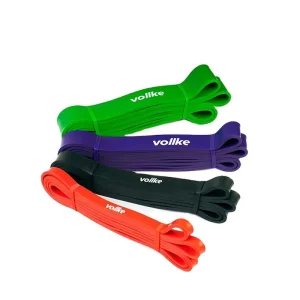
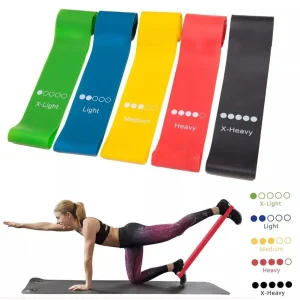
Clinis need progressive resistance bands categorized by precise color-coded tension increments. Biocompatibility, non-latex materials (TPE), and toxin-free formulations (phthalate and heavy-metal free) are critical to ensure safety during recovery.
For remote work gym configurations and corporate wellness programs, packaging optimization and space efficiency are paramount. Modular sets featuring clip-on handles, door anchors, and durable storage bags offer compact, versatile solutions.
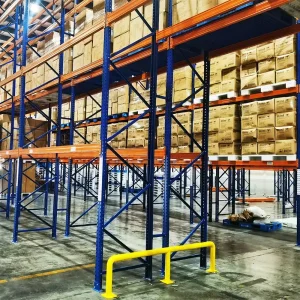
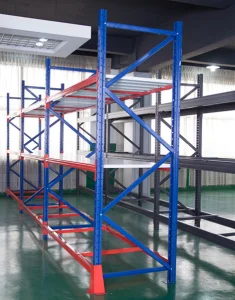
Furthermore, these fitness items must align with broader industrial frameworks. For example, commercial distributors require heavy-duty storage racks to manage large-scale inventories efficiently. By pairing strength band packages with industrial warehouse shelving systems, B2B buyers can streamline their logistics and distribution, ensuring organized distribution and seamless operations from factory floor to gym storage.
Jiangsu GoLive Fitness Co. Ltd. is a leading wholly-owned enterprise established with a strong foundation in sports equipment manufacturing. Our primary focus lies in the production of high-quality fitness products, including dumbbells, weight plates, multi-gyms, step stools, and various other home fitness essentials. With a reputation built on craftsmanship, precision, and a dedication to fitness, we provide durable and innovative solutions that meet the diverse needs of our customers worldwide.
At GoLive Fitness, we pride ourselves on our state-of-the-art manufacturing capabilities. Our professional production equipment, combined with robust technical expertise, allows us to create products that adhere strictly to European standards, ensuring that every product we deliver is of exceptional quality. Our commitment is backed by real industrial power and machinery optimized for modern production speeds.
Our unwavering commitment to quality is at the core of everything we do. GoLive Fitness operates under the business tenet of "Quality Assurance," and we embrace the philosophy of "Technology-led, Innovative, Professional, and Differentiated." By adhering to the quality policy of "Striving for Excellence, Continuous Innovation, Winning with Quality, and Customer Satisfaction," we have cultivated a reputation for producing fitness equipment that delivers exceptional performance and longevity.
At the heart of our business approach is a high standard of excellence that values the combination of quality, technology, and efficient management. As part of our strategic vision, we continually invest in the development of new fitness products to meet the evolving demands of the industry. With a focus on both technology and design, our products not only offer top-tier functionality but also embody the latest trends in fitness and wellness.
Through the years, GoLive Fitness has grown to become a shining star in the fitness equipment industry. This achievement is driven by our commitment to innovation, our advanced manufacturing technologies, and our strong dedication to customer satisfaction. As we look to the future, we remain focused on enhancing our global presence and developing stronger relationships with our customers.
Our team at GoLive Fitness is fueled by a spirit of dedication, passion, and a deep love for the business. We are determined to embrace reform and innovation, continuously improving our offerings to serve the global fitness community. Hand-in-hand with our customers, we strive to create a healthier and more active tomorrow, building a brighter future for the fitness industry and those who trust our products.
Join us on this exciting journey and experience the excellence and passion that define GoLive Fitness.
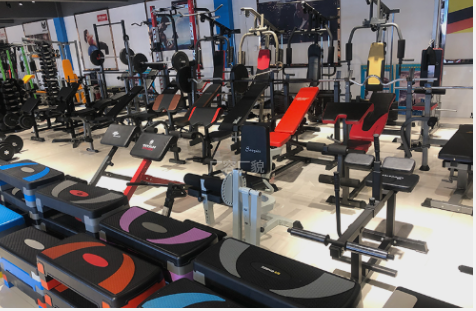
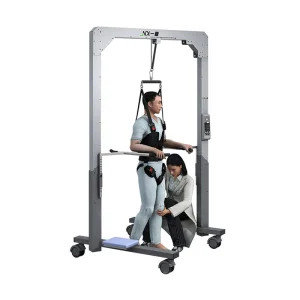
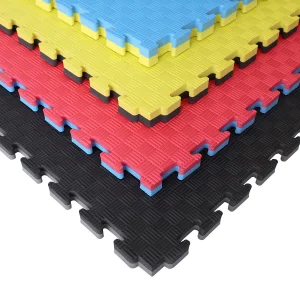
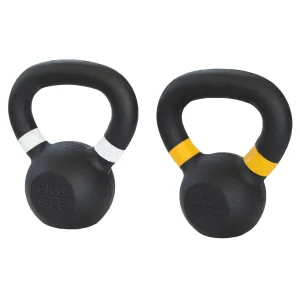
Browse our advanced gait training mechanisms, premium martial arts puzzle mats, cast-iron kettlebells, and heavy-duty storage arrays.
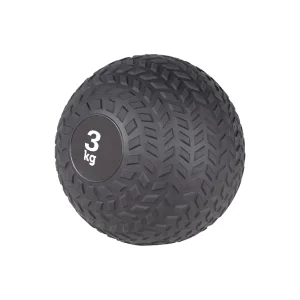
 GoLive Fitness