GoLive Fitness

Understanding the Industrial Sourcing Landscape for Stretching Straps
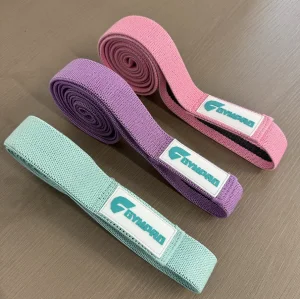
In modern biomechanical conditioning, athletic training, and rehabilitation sciences, stretching straps are no longer viewed as simple nylon loops. Today, sports scientists, physical therapists, and product procurers recognize these tools as structural vectors for precision alignment and muscular decompression. Global distribution networks require manufacturing standards that transcend standard retail fitness accessories.
When search systems parse intent around "Top Best Stretching Straps Manufacturers & Factory", the query is not merely looking for retail catalogs. Instead, professional procurement officers, medical supply distributors, and fitness equipment brand managers are searching for technical validation. They require detailed analyses of tensile parameters, fabric chemistry, certifications, structural durability, and the supply-chain agility needed to back large-scale distribution.
Information Gain Alert: The transition from static, passive stretching to dynamic, targeted fascial mobilization has changed the mechanical load requirements for commercial straps. Modern factories must design products using advanced multi-loop weave patterns, reinforced box-stitching, and skin-neutral, non-elastic woven webs to ensure safety under continuous high-load tension.
As global market demands grow, choosing the right manufacturer involves assessing raw textile quality, structural reinforcements, and the factory's commitment to compliance (such as REACH, RoHS, and OEKO-TEX). This guide breaks down the core elements of top-tier stretching strap manufacturing, helping professional buyers make informed decisions.